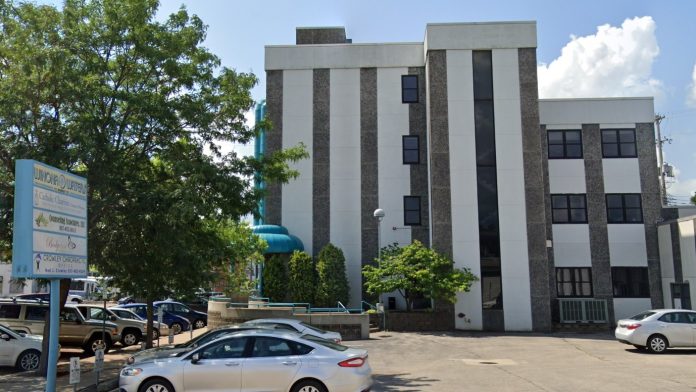
Counseling Associates LLC
111 Market St
Floor 4
Winona, MN 55987
 Sponsored
About Counseling Associates LLC
Counseling Associates LLC is a private mental and behavioral health provider in Winona, Minnesota. Their compassionate team offers an array of services to support people in breaking free from the shackles of addiction. They also offer dual diagnosis care for those simultaneously grappling with substance use disorder and other mental illnesses such as depression, anxiety, trauma, anorexia, or bulimia.
A Variety of Treatments
Therapy isn’t one size fits all, and some modalities are more appropriate for certain people and situations than others. I think it’s fantastic that Counseling Associates LLC offers a full spectrum of evidence based therapeutic approaches to meet a diverse range of needs.
In addition to standard treatments like cognitive behavioral therapy (CBT), solution focused therapy, and dialectical behavior therapy (DBT), they offer less common options, including eye movement desensitization and reprocessing (EMDR) and emotional freedom techniques. They’re also one of few providers offering clinical hypnosis. Because their team is qualified to practice so many different treatments, you may be able to try different types to find the best fit for you.
Judgment Free Anger Management Support
Many people use substances in an effort to quiet tumultuous emotions, and it’s not uncommon for those with addiction to also struggle with anger management.
If you’re prone to aggression or find yourself overwhelmed with rage, I think you may benefit from attending Counseling Associates LLC’s anger management group for men. Here, you can share your experience in a judgment free, supportive environment and learn more productive strategies for handling conflict and regulating your feelings.
Addiction Treatment Programs
When an individual struggles with drug and alcohol use, an adult program in Minnesota can provide treatment and mental health support. Designed for men and women over the age of 18, these programs help individuals obtain and maintain sobriety.
The goal of alcohol rehab in Minnesota is to help you make mental and behavioral changes that lead to recovery and long-term sobriety. Most methods rely on a combination of group and individual counseling to accomplish these goals.
Drug rehab in Minnesota often starts with assessment. Once needs are determined, the individual typically begins treatment with detox, then enters rehab, and finally receives aftercare once the program is complete. This continuum of care offers appropriate levels of support at each stage to help the individual achieve long-term recovery.
Individuals who attend men’s rehab in Minnesota can expect to spend much of their days in therapy sessions. Therapy is focused on men only, and teaches men how to control urges and cravings and live a healthy, sober lifestyle.
After evaluating your needs and budget, staff at opioid rehab in Minnesota will help you determine the length of your treatment and its intensity level, to properly address your degree of opioid dependence. Most programs include detox, addiction therapy, specialized care, and aftercare support.
During women’s rehab in Minnesota, women participate in evidence-based therapies to treat their substance use disorders. Therapy methods include individual, group, family, cognitive-behavioral, and dialectical behavior therapy.
Recovery is not the same for young adults as it is for older individuals. A young adult program in Minnesota treats the patient as a whole, addressing unique life-stage challenges, dual diagnosis issues, and substance abuse.
Levels of Care
Outpatient rehab in Minnesota provides a less restrictive environment than inpatient. You’ll live at home while attending just a few hours of counseling sessions per week and receive ongoing support through a program such as AA or NA. This will continue for as long as you need this level of accountability.
For months or years after achieving initial sobriety, aftercare rehab in Minnesota gives you access to resources that help you maintain sobriety after treatment. You can receive support through 12-step groups, ongoing counseling, and financial coaching.
Contact Information


 Sponsored