The Palm Beach Institute
314 10th St
West Palm Beach, FL 33401
 Sponsored
About The Palm Beach Institute
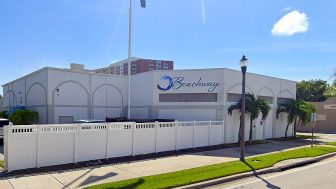
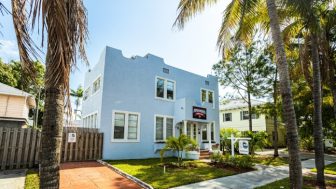
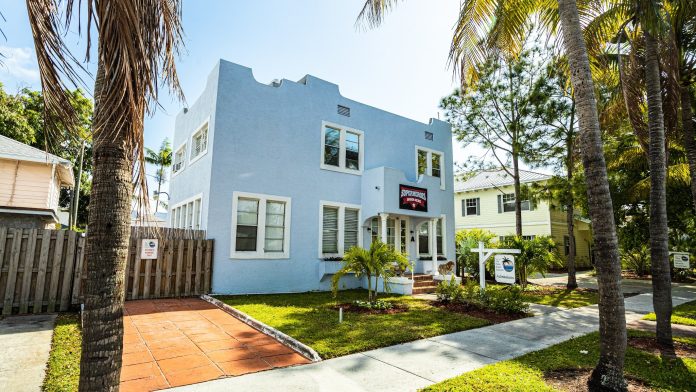
The Palm Beach Institute, now closed, was located in West Palm Beach, Florida. The center provided medical detox and both inpatient and outpatient addiction treatment programs. Outpatient services included a partial hospitalization program (PHP) and an intensive outpatient program (IOP).
They also had an active alumni network and transitional living arrangements which were part of their aftercare program. The center accepted most private insurance plans.
Supervised Detox and Inpatient Treatment
The inpatient treatment program started with medical detox services for many of their clients. This process allowed you to be monitored 24/7 to help keep withdrawal safe and as comfortable as it can be.
From there you would transition to the inpatient program, which offered daily individual and group counseling. They could also treat co-occurring mental health disorders.
Multiple Levels of Outpatient Treatment in West Palm Beach
The center also had two outpatient programs, a PHP and an IOP. The PHP was a full day program that provided many of the same services as residential care, while the IOP met a few hours per session and was more flexible.
What stood out to me was their aftercare and alumni program. The alumni program included help with housing and finding work, including assistance finding job opportunities and filling out applications. I like that they not only connected you to ongoing counseling and community resources, but you also had an active network of peers to support you and make long-term recovery easier.
Amenities
Private drug rehab provides a comfortable, secure environment that allows you to focus on doing the work to get your life back on track. Benefits include a higher staff-to-client ratio, increased one-on-one time with therapists and healthcare providers, private rooms for clients, and customized forms of therapy.
Recreational therapy uniquely combines therapeutic interventions with an activity, like horse-riding, hiking, wilderness therapy, basketball, tennis, or a full workout. Benefits of recreational therapy include providing a healthy way to work through the emotions of recovery, learning to build and maintain relationships, improving communication skills, and building self-esteem.
Art and music are mediums that connect with our feelings, making them a great recovery tool during addiction treatment. Studies show that combining art/music and drug rehab can have a greater therapeutic impact than drug rehab alone, as you’re able to access parts of your brain and body that you may not have access to during traditional talk therapy. Benefits of art/music therapy include lowering stress and anxiety, promoting healthy neurochemicals, and providing stress relief.
Addiction Treatment Programs
Young adults often develop addiction for different reasons than older individuals. That’s why a young adult program in Florida focuses on the unique pressures, needs, and challenges faced by young adults.
Treatment at an adult program in Florida addresses the needs of each individual as they work toward recovery. Programs are designed for men and women ages 18 and up, and include a variety of treatment protocols to match the severity of the addiction, type of substance, and personal situation.
Each alcohol rehab in Florida offers unique amenities and approaches, but most follow the same general guidelines. Treatment includes detox, rehabilitation, and maintenance. This is a proven approach to provide the greatest results for long-term recovery.
Gender-specific addiction treatment gives men who are struggling with substance use disorders a connection point to other men with similar struggles. This common ground can make a huge impact on men’s rehab in Florida.
Often, women who have a substance use disorder also have a co-occurring disorder. Women’s rehab in Florida often addresses both the addiction and mental health disorder with dual diagnosis treatment.
Opioid rehab in Florida provides the care you need to help you safely and comfortably navigate a path to recovery. Treatment addresses both emotional and physical aspects of addiction, offering individualized tracks and custom programs.
Cognitive behavioral therapy in Florida helps people in treatment to revisit painful thoughts and memories and learn new ways to cope with them. These newly-learned techniques replace substance use and help the individual maintain sobriety.
Florida residents who are struggling with substance abuse don’t have to face their challenges alone. Drug rehab in Florida provides quality treatment to help individuals overcome addiction and make a full recovery.
Therapists use rational emotive behavioral therapy in Florida to help individuals evaluate their irrational beliefs surrounding their substance use behaviors. This therapy helps participants change patterns of thinking and behavior to overcome addiction.
EMDR Therapy is a neurobiological treatment modality used to address trauma disorders and related mental and behavioral health challenges. Short for eye movement desensitization and reprocessing, EMDR is designed to help clients cope with distressing memories and emotions, including fear, sadness, and anger. EMDR may help clients in addiction recovery manage the psychological and emotional triggers that contribute to substance misuse and/or addiction relapse.
Levels of Care
Outpatient rehab in Florida focuses on relapse prevention and long-term recovery. It typically includes several counseling sessions per week as well as membership in a support group such as NA or AA. This treatment can last several weeks or several months, based on your ongoing needs.
If you are struggling with both an addiction and a mental health disorder, treatment for dual diagnosis in Florida is necessary for successful recovery. This multidisciplinary approach treats both substance abuse and co-occurring disorders such as bipolar disorder, eating disorders, depression, or anxiety.
During initial rehab treatment, you learn how to get sober. Aftercare rehab in Florida helps you learn how to stay sober. Through ongoing counseling, support groups, and life coaching, you’ll develop skills to maintain sobriety as you live a successful life in recovery. This support may last up to a year or more, to keep you on the right track.
Inpatient drug rehab in Florida allows you to receive round-the-clock supervised care while living at the facility. A combination of treatment interventions is typically offered, including individual and group therapy, nutritional counseling, experiential therapies, and medication management.
Accreditations
Contact Information


 Sponsored