
Continuum Care Services Inc
3200 Northline Ave
Greensboro, NC 27408
 Sponsored
About Continuum Care Services Inc
Continuum Care Services Inc. is a certified and accredited behavioral health agency in Greensboro. They provide addiction treatment, outpatient care, and other support for clients of all ages in this North Carolina clinic.
Bridging the Gap of Mental & Behavioral Care
The support model used here is known as ‘Bridging the Gap.’ What does this mean? Well, it’s essentially an approach that sees the center connecting clients to relevant community resources to meet their needs.
This is done through one to one work with clients. They understand your needs and preferences and then set realistic goals for your recovery. Following this the team sets about linking clients up to the support they need and creating a total care system.
Depending on your situation you may get connected with social workers, faith leaders, healthcare providers, court counselors, mentors, teachers and more. The team here actively seeks to advocate for you and your loved ones with the goal of boosting your independence.
The center provides family team meetings and educates you about mental health and addiction. They can also provide comprehensive monthly summaries of your progress, designed to be shared with your case workers and primary care staff.
Medication Management Services in Greensboro
The medical team here can also support you by providing testing and evaluation of your medication management needs. This service is available to kids, teens, and adults, and you can access the service by completing their online referral request form.
They also ensure that you’re fully engaged in this process, as well as in the development of your treatment plan. All of the available treatment options will be communicated to you based on your personal circumstances. However, the approach here is a collaborative one, with clients encouraged to speak up and share their wants and needs to help shape a treatment plan that works for them.
Addiction Treatment Programs
An adult program in North Carolina typically combines individual and group counseling, medical treatment, and various other therapies to treat substance use disorders. Treatment can take place in an inpatient or outpatient setting.
Alcohol rehab in North Carolina is a course of treatments that helps participants overcome alcohol dependency. Treatments address physical, mental, and emotional aspects of substance use disorder and help the individual develop healthy habits for long-term recovery.
Men’s rehab in North Carolina offers customized treatment for men. These programs provide personalized treatment that is designed with the unique needs of men in mind.
Women’s rehab in North Carolina allows women to receive gender-specific treatment tailored to their needs. Programs are available for alcohol, heroin, prescription drugs, benzos, and any other addictive substances, as well as co-occurring disorders.
To overcome opioid addiction, attend opioid rehab in North Carolina. Treatment takes place in inpatient or outpatient care, using a variety of therapies, medications, and other helpful interventions. Length of treatment caries, typically lasting 30, 60, or 90 days.
Many therapists use cognitive behavioral therapy in North Carolina to treat substance use disorders. This goal-oriented method addresses maladaptive thinking and related beliefs that affect behaviors and can lead to addiction.
There are many types of drug rehab in North Carolina. To receive treatment for addiction, you can choose from many inpatient and outpatient programs. Often, participants start with detox and work through a full continuum of care that continues with ongoing support for long-term recovery.
Elderly rehab in North Carolina provides specialized treatment for addiction among adults ages 55 and older or 65 and older. This treatment typically addresses dual diagnosis, substance use disorder, and age-specific concerns of seniors.
Women’s rehab in North Carolina allows women to receive gender-specific treatment tailored to their needs. Programs are available for alcohol, heroin, prescription drugs, benzos, and any other addictive substances, as well as co-occurring disorders.
Assertive Community Treatment (ACT) is an integrative, community-based care strategy designed to address the needs of persons with severe and/or complex mental illness or behavioral disorders. ACT is typically provided by a multidisciplinary team of medical and mental health care providers, social workers, therapists, and other specialists, including addiction recovery professionals. These services are frequently provided in the home and community to clients in crisis, those who are clinically unstable, and those who are unable or unwilling to travel to a hospital or clinic for in-person treatment.
Levels of Care
Outpatient rehab in North Carolina is often the next step for those who complete an inpatient program. This less restrictive treatment involves several hours of therapy per week, and accountability through 12-step meetings such as AA. You’ll continue this treatment as long as needed, which could be weeks, months, or years.
Some of the most common co-occurring mental health disorders include anxiety, depression, and eating disorders. When these are present alongside substance use disorder, dual diagnosis treatment in North Carolina is necessary to address both conditions.
Aftercare rehab in North Carolina is a crucial part of relapse prevention. It gives you access to resources that will help you manage stress and overcome life hurdles. Typical services include career coaching, financial guidance, and ongoing counseling and emotional support. These may continue for a few months or more than a year after initial rehab.
When you choose inpatient drug rehab in North Carolina, you’ll live at a rehab facility for 28 to 90 days, depending on the program. Typical methods of treatment include group and individual therapy and family counseling.
Nearly all drug rehabs in North Carolina begin with a detox program. When this process is complete, all addictive substances will be purged from your body. You can then move on to the next steps of drug rehab in North Carolina.
Many people find that a few months in North Carolina sober living after rehab treatment gives them a good foundation for long-term recovery. The average stay at a sober living home is five to eight months, but you get to decide when you are ready to live on your own.
Recovery journeys often begin with intervention services in North Carolina. This treatment tool provides key support in planning and facilitating an effective intervention. Intervention specialists can also provide resources to develop treatment plans and guide families through the admission process.
Accreditations
Contact Information


 3200 Northline Ave
Greensboro, NC 27408 Sponsored
3200 Northline Ave
Greensboro, NC 27408 Sponsored
Nearby Treatment Centers
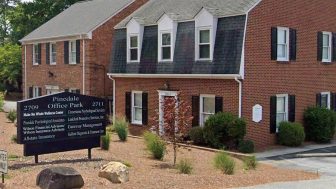
2711a Pinedale Road
Greensboro, NC 27408
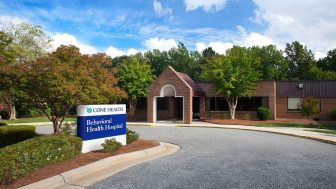
700 Walter Reed Drive
Greensboro, NC 27403

3200 Northline Ave
Suite 132
Greensboro, NC 27408
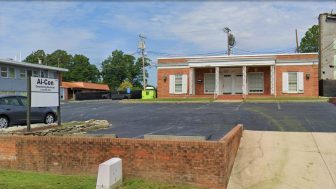
609 Walter Reed Drive
#4646
Greensboro, NC 27403
