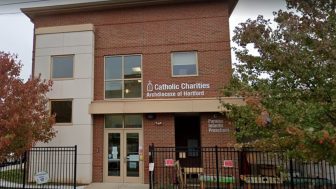
Connecticut Addiction Medicine, LLC
330 Main St
#101
Hartford, CT 06106
 Sponsored
About Connecticut Addiction Medicine, LLC
Connecticut Addiction Medicine, LLC in Hartford provides recovery from opioid and alcohol addiction. The team includes addiction psychiatrists, addiction medicine physicians, psychiatric nurse practitioners and licensed counselors. They offer customized support that addresses the genetic, environmental, social, physical, psychological and spiritual aspects of addiction for lasting recovery.
Medication-Assisted Treatment
Connecticut Addiction Medicine's core focus is helping individuals overcome opioid dependence and alcoholism. I noted that one of the main tools they use is medication assisted treatment to help guests remain comfortable. This service reduces drug cravings and lessens withdrawal symptoms.
The center provides outpatient detox services, medication management and psychosocial evaluations which I found are tailored to each patient's needs.
Treatment includes weekly group relapse prevention sessions to target both symptoms and underlying causes of addiction. Weekly urine testing ensures accountability while staff encourage participation in 12-step programs.
Patients consistently describe the team as compassionate and respectful, with multiple reviews highlighting life-changing results with years of sustained sobriety.
Dual Diagnosis and Chronic Pain Management
Connecticut Addiction Medicine specializes in treating co-occurring mental health and substance use disorders with integrated psychiatric care and counseling. The center also offers chronic pain management using Suboxone for patients transitioning from traditional opioid therapy. The program addresses musculoskeletal and other pain conditions while supporting addiction recovery.
Connecticut Addiction Medicine serves patients at multiple locations including Hartford, Rocky Hill, Norwich and Manchester. They have telehealth options available for flexible outpatient care. New patients are seen within 24 to 48 hours of initial contact and walk-ins are welcome.
The center accepts most major insurance providers including Medicaid, Medicare and ConnectiCare.
Addiction Treatment Programs
For those who have a substance use disorder, an adult program in Connecticut offers crucial support. Designed to treat individuals 18 and older, these rehab programs help adults learn how to live their lives free from dependence on substances.
Alcohol rehab in Connecticut is not a one-size-fits-all solution. That’s why a variety of programs and treatment methods are available to meet you where you are. Through personalized treatment, alcohol rehab is designed to help you achieve sobriety and maintain long-term recovery from alcohol use disorder.
Adults who attend men’s rehab in Connecticut have the opportunity to connect with other men who are struggling with similar addiction issues. This is important for recovery, as men are often more comfortable talking about their struggles with other men.
Women often find it easier to work through their addiction issues in women’s rehab in Connecticut. Surrounded by other women who understand their struggles, they can feel free to share openly and find support.
When you attend opioid rehab in Connecticut, you’re provided with the tools that are necessary to break free from opioid addiction. Treatment offers accountability, structure, and a sense of community. Methods typically include medication assisted treatment, individual therapy, and group counseling.
Drug rehab in Connecticut provides the professional support that is often necessary to break free from drug dependency. With proper treatment, individuals can make changes that restore balance and health to their lives and achieve long-term recovery.
Levels of Care
Drug rehab in Connecticut typically starts with detox. This is the process of ridding your body of all addictive substances. This happens under supervision, so medical staff can treat withdrawal symptoms and help you through the process.
Inpatient drug rehab in Connecticut is the most intensive level of care for addiction treatment. Upon admission, they engage in extensive psychotherapy, receive recovery-focused life skills training, and participate in evidence-based complementary therapies, such as meditation, massage, acupuncture, and/or animal, creative arts, recreational, and experiential therapy.
Many individuals turn to outpatient rehab in Connecticut after they complete an inpatient program. This treatment is less intensive and usually involves attending several counseling sessions per week and attending a support group such as NA or AA. Outpatient rehab may be short or long-term, depending on the needs of the individual.
Staff
Contact Information


 Sponsored