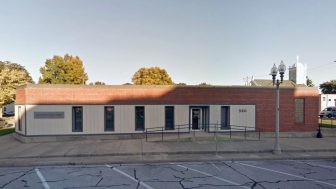
Community Resource Center
 Sponsored
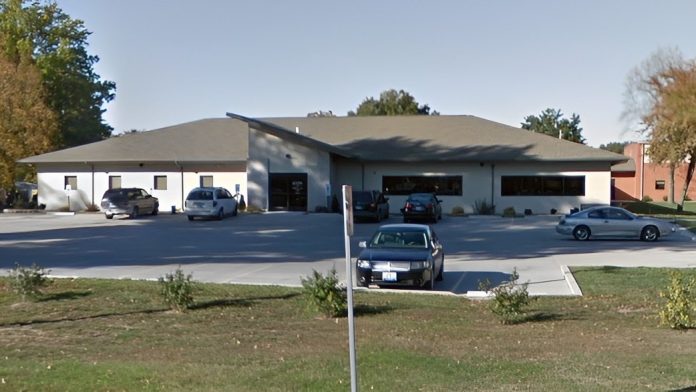
About Community Resource Center
Community Resource Center (CRC) is an outpatient addiction treatment provider in Centralia, Illinois that serves clients who are affected by substance use and gambling concerns. I discovered this longstanding nonprofit was established in 1969.
They offer substance use counseling and medication assisted treatment with psychiatric care and a range of recovery oriented supports. Clients and reviewers praise the staff for exceptional care and help that changed their life.
MAT and Telehealth Medication Appointments
CRC provides outpatient substance use counseling along with early intervention and treatment planning with medication assisted treatment for opioid use disorder that is available through a Suboxone licensed partner.
When transportation is a barrier for clients they have access to telehealth medication appointments. Approaches include cognitive behavioral therapy and motivational interviewing which uses the Matrix Model and relapse prevention is a major part of treatment.
Therapy Groups for Youth
CRC serves adults of any age. I found that specialized treatment is provided for trauma and domestic violence survivors as well as criminal justice or forensic clients. Child and adolescent services include substance use treatment and prevention.
Therapy groups are available for junior high, high school, and LGBTQIA+ youth and support is offered for dual mental health and substance use disorders.
CRC accepts Medicare and Medicaid as well as YouthCare and All Kids and other coverages. A household income based sliding fee scale is also available.
Amenities
Private drug rehab provides a comfortable, secure environment that allows you to focus on doing the work to get your life back on track. Benefits include a higher staff-to-client ratio, increased one-on-one time with therapists and healthcare providers, private rooms for clients, and customized forms of therapy.
Residential drug rehab provides the comforts of home with the therapeutic support needed to successfully recover. Benefits of an inpatient program include increased safety, a higher success rate, and the time and distance given to focus on recovery. Residential drug rehabs are often the preferred method of treatment, as they can be tailored to meet specific needs, offer focused therapeutic care, and provide the necessary tools to sustain recovery.
Addiction Treatment Programs
Individuals who are struggling with addiction to drugs or alcohol can get support at an adult program in Illinois. Designed for men and women over the age of 18, these programs offer rehabilitation treatment and recovery services.
Each alcohol rehab in Illinois is unique, but most include three basic aspects of treatment: medical detox, psychotherapy, and medication. Through these methods, participants receive treatment for the physical, mental, and emotional aspects of alcohol use disorder.
In Illinois, cognitive behavioral therapy is an effective method for addiction treatment. It teaches effective communication skills, provides tools to help people improve mood, and empowers participants to dismiss insecurities that can lead to substance abuse.
Men’s rehab in Illinois typically includes individual, group, and family therapies. Group sessions are conducted with men only, which encourages greater vulnerability and sharing opportunities among participants.
Learn the skills you need to break free from opioid dependence at opioid rehab in Illinois. Program options include detox, inpatient rehab, outpatient rehab, counseling, and medication assisted treatment programs, which are tailored to meet the needs of the individual.
Elderly rehab in Illinois encompasses a full range of treatment options. Addiction treatment for seniors includes detox programs, outpatient treatment, residential programs, medication assisted treatment, case management, and dual diagnosis.
Women who have substance use disorders are more likely than men to have co-occurring mental health disorders. Women’s rehab in Illinois often provides treatment for dual diagnosis, so women can get help for their addiction and disorders such as anxiety or depression.
Some of the most common services offered in a young adult program in Illinois include individual and group counseling, medication management, educational courses, and 12-step programs. These programs are tailored to address the challenges of this stage of life.
Drug rehab in Illinois is designed to help men and women recover from drug addiction. The length of the program and its intensity vary, based on the individual’s needs. It’s important to find the right program to suit your unique situation and challenges.
Levels of Care
Outpatient rehab in Illinois may be brief or long-term, depending on the individual. During this time, you will maintain membership in a support group as well as attend one-on-one counseling sessions. The focus is ongoing development of life skills that will prevent relapse.
An Illinois dual diagnosis program treats both your mental health and recovery needs. Psychiatrists and addiction specialists work together to address co-occurring disorders, such as depression, anxiety, or ADHD.
In many cases, drug rehab in Illinois begins with intervention. Professional intervention services are available to help you facilitate an intervention, develop a treatment plan, and choose the program that best suits your loved one’s needs.
Sober living in Illinois offers an environment where you can focus on your recovery journey. You’ll live in a drug-free residence, where you’ll contribute to household bills and chores, attend 12-step meetings, and submit to random drug testing. This structured environment can be helpful to maintain sobriety during the first few months of recovery.
Accreditations
Contact Information


 Sponsored
Kimberly Hawkins holds a master’s degree in computing and information sciences from East Tennessee State University. She is a content writer specializing in alcoholism, drug addiction, and co-occurring disorders. Kimberly has been passionate about the subject of addiction since her only sibling passed away due to an accidental overdose. Her other interests include playing the piano, being in tranquil natural environments, and spending time with her adult children.
Rehabs.org regularly reviews this listing for accuracy but changes may occur between updates. For the most up-to-date information, please contact Community Resource Center.