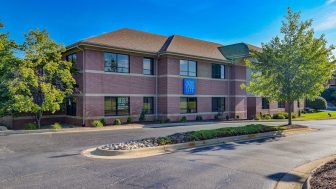
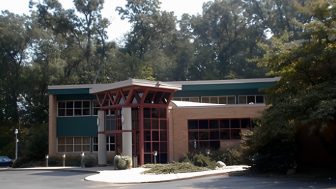
Pivotal
677 E Main St
Suite A
Centreville, MI 49032
 Sponsored
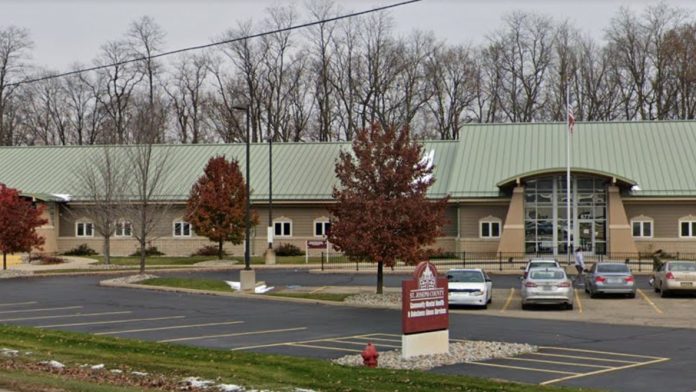
About Pivotal
Pivotal is a CARF accredited community behavioral health clinic in Centreville, Michigan. They serve adults, families and youth seeking substance use and mental health disorder treatment. You’ll benefit from comprehensive outpatient care that meets you where you are in recovery. Services are available in English and Spanish.
Specialized Women's Services
What strikes me most is their targeted care for pregnant women, mothers and caregivers. They’re dedicated to empowering you to overcome addiction or dual diagnosis while improving your family dynamic.
You can access arrangements for prenatal care, therapeutic interventions for you and your children, case management and more. Pregnant women are a priority population at their facility which ensures you have quick access to the support you need.
Recovery Coaching
Another great feature I noticed is that they offer recovery coaching. You can connect with a peer support specialist to navigate treatment while focusing on recovery. Peer support specialists have lived experience in addiction and recovery and provide a unique perspective to your journey. They'll help remove barriers to recovery while connecting you to essential resources to support your journey.
Medication-Assisted Treatment (MAT)
I also think it's beneficial that they have MAT for opioid use disorder. You can access buprenorphine to manage withdrawal symptoms and cravings. They help you get to the root of addiction with counseling and other behavioral therapies. These approaches can help you recognize and change the contributing factors of addiction while gaining vital coping skills.
Veteran Navigator Program
Their Veteran navigator program also stood out to me. They work with Michigan Veterans and their families to navigate different Veterans Affairs systems. They advocate to help you obtain substance abuse, behavioral health, and general health assistance.
Amenities
Private drug rehab provides a comfortable, secure environment that allows you to focus on doing the work to get your life back on track. Benefits include a higher staff-to-client ratio, increased one-on-one time with therapists and healthcare providers, private rooms for clients, and customized forms of therapy.
In order to maintain a sense of autonomy, many private rehab facilities offer clients the ability to choose their own private rooms. The privacy and personal space ensure that the recovery process is as comfortable as possible.
Addiction Treatment Programs
A young adult program in Michigan specializes in treatment tailored to individuals in this stage of life who are suffering from substance use disorder. Treatment addresses addiction and the challenges related to young-adult life.
No single adult program in Michigan is right for everyone. That’s why each program is tailored to meet the needs of the individual. Common aspects to an adult rehab program include individual counseling, group therapy, and aftercare support.
The backbone of most alcohol rehab in Michigan is a combination of individual and group therapy methods. Through these sessions, individuals learn how to address issues contributing to addiction and develop healthy lifestyle habits.
During men’s rehab in Michigan, individuals spend a significant amount of time in therapy. This gender-specific treatment gives men the tools they need to cope with stress and live without drugs and alcohol.
Women’s rehab in Michigan offers a full continuum of care for women seeking treatment for addiction. Programs range from intensive inpatient care to aftercare services.
Each opioid rehab in Michigan is unique, but most consist of several key steps: admission, detox, addiction therapy, specialized care, and aftercare. Professional staff evaluate each person’s needs to recommend treatment duration and specific therapies.
During cognitive behavioral therapy in Michigan, participants do more than talk with their therapists. This is an engaging, hands-on approach that requires active participation. Individuals work with their therapist to change their thought and behavior patterns to overcome addiction.
Age-specific rehab can put participants at ease because they are with their peers. Elderly rehab in Michigan provides a safe and inviting setting for seniors to get the help they need to overcome addiction.
Veteran’s rehab in Michigan is often staffed by Veterans who understand the experiences of program participants. Services are tailored to meet Veterans’ needs with focused individual and group therapy as well as nutritional education, family therapy, recreational therapy, and other interventions.
Through rational emotive behavioral therapy in Michigan, participants identify unhealthy beliefs and replace them with healthy ones. This relieves emotional distress and frees the person to move forward with better decision-making for their recovery journey.
Assertive Community Treatment (ACT) is an integrative, community-based care strategy designed to address the needs of persons with severe and/or complex mental illness or behavioral disorders. ACT is typically provided by a multidisciplinary team of medical and mental health care providers, social workers, therapists, and other specialists, including addiction recovery professionals. These services are frequently provided in the home and community to clients in crisis, those who are clinically unstable, and those who are unable or unwilling to travel to a hospital or clinic for in-person treatment.
Levels of Care
Outpatient rehab in Michigan is tailored to each person’s recovery journey. This treatment usually involves several hours of therapy sessions each week, along with attendance at support group meetings. However, the timeline varies from a few weeks, to months, to years, based on your needs.
A dual diagnosis treatment center in Michigan allows you to get treatment for substance abuse and mental health disorders at the same time. This is critical, because untreated mental health disorders often lead to relapse and poor recovery outcomes.
Intervention services in Michigan are often key to starting the recovery process. Intervention specialists provide support to encourage your loved one to get the help they need, provide access to educational and comjunity resources, and offer assistance with developing intervention and treatment plans.
Accreditations
Contact Information


 Sponsored