Clarion Psychiatric Center
2 Hospital Drive
Clarion, PA 16214
 Sponsored
About Clarion Psychiatric Center
Clarion Psychiatric Center is a behavioral health facility in Clarion, Pennsylvania providing inpatient and outpatient mental health treatment. I read reviews from former patients who highlight the supportive staff and the structured affirming environment that helps people feel safe during difficult times.
What programs does Clarion Psychiatric Center offer?
The center provides short term adult inpatient psychiatric stabilization for clients 18 and older, a dedicated child and adolescent inpatient unit for ages 10 to 17, and a child and adolescent PHP day program that meets Monday through Friday from 9 a.m. to 3 p.m.
I found the PHP serves youth ages 10 to 17 and 18 if the client is still in school. Treatment includes daily academic support from a certified special education teacher, hot meals, and small capped groups of eight or fewer.
Who can get help at Clarion Psychiatric Center?
The facility serves children, teens, and adults dealing with depression, anxiety, bipolar disorder, schizophrenia, trauma, ADHD, grief, suicidal thoughts, anger, and paranoia or hallucinations. They also treat co-occurring disorders when mental health conditions are complicated by drug or alcohol dependency.
Where is the center located and what is the setting like?
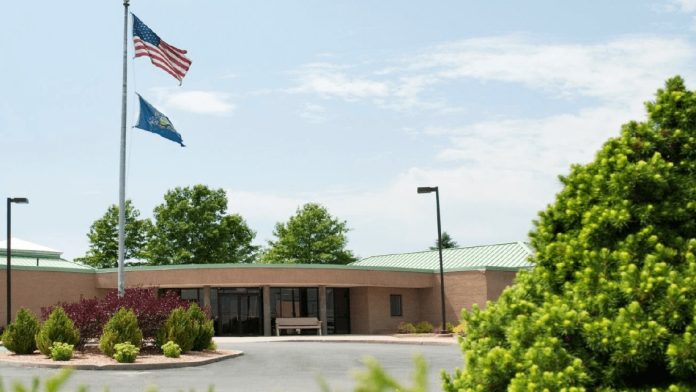
Clarion Psychiatric Center is on a secure 14 acre campus on Hospital Drive in Clarion. Adult inpatient clients have access to a gym and an outdoor courtyard and the facility emphasizes a serene and trauma informed therapeutic environment.
Amenities
Addiction treatment programs provide an opportunity to get your life back on track with access to school classes or college courses. Whether you want to finish your GED or go back to school to learn a new trade, facilities often enlist tutors and teachers who are certified or licensed by the state to oversee self-study or distance-learning education.
When paired with cognitive-behavioral therapy, exercise can be an effective tool for overcoming addiction. Drug rehabs with a gym offer clients healthy ways to increase energy levels, balance the body’s stress hormone levels, and aid in the brain’s healing process.
Recreational therapy uniquely combines therapeutic interventions with an activity, like horse-riding, hiking, wilderness therapy, basketball, tennis, or a full workout. Benefits of recreational therapy include providing a healthy way to work through the emotions of recovery, learning to build and maintain relationships, improving communication skills, and building self-esteem.
Art and music are mediums that connect with our feelings, making them a great recovery tool during addiction treatment. Studies show that combining art/music and drug rehab can have a greater therapeutic impact than drug rehab alone, as you’re able to access parts of your brain and body that you may not have access to during traditional talk therapy. Benefits of art/music therapy include lowering stress and anxiety, promoting healthy neurochemicals, and providing stress relief.
In order to maintain a sense of autonomy, many private rehab facilities offer clients the ability to choose their own private rooms. The privacy and personal space ensure that the recovery process is as comfortable as possible.
Private drug rehab provides a comfortable, secure environment that allows you to focus on doing the work to get your life back on track. Benefits include a higher staff-to-client ratio, increased one-on-one time with therapists and healthcare providers, private rooms for clients, and customized forms of therapy.
Addiction Treatment Programs
Elderly rehab in Pennsylvania works with older adults who are facing addiction. Common services include management of chronic health conditions, case management, and education about prescription medications.
Designed for Veterans of all ages, Veteran’s rehab in Pennsylvania can be a good fit for those seeking treatment for alcohol use disorder, chemical dependency, and co-occurring mental health disorders. Treatment is typically designed for active-duty military members and Veterans, and may also include first responders.
A young adult program in Pennsylvania provides a comfortable, age-appropriate environment for treatment. These programs offer life skills education, individualized treatment, family therapy, and aftercare.
The Keystone State offers many resources for those struggling with substance use disorders. Each adult program in Pennsylvania provides individualized care, to meet people where they are and help them take the next step on their recovery journey.
Cognitive behavioral therapy in Pennsylvania helps participants identify inaccurate thinking and learned patterns of negative behavior and how to change them. It gives participants the skills to relieve their symptoms without turning to substances.
Fitness therapy is an evidence-based complementary approach to addiction recovery and mental health care. Based on mounting scientific evidence of the benefits of physical activity in improving mood, enhancing clients’ sense of wellbeing, and decreasing depression and anxiety, fitness therapy encompasses a wide spectrum of intensities, from gentle yoga, qigong, and tai chi to weight training, kickboxing, and other highly physical activities.
Sound & Music Therapy are complementary treatment modalities frequently used in addiction recovery to support clients’ physical, mental, and emotional wellbeing through the use of auditory stimuli, from nature sounds and Tibetan singing bowls to drum circles and rhythmic melodies. The treatment is believed to reduce symptoms of anxiety and depression and may offer relief for those experiencing chronic pain, which can decrease clients’ risk of addiction relapse.
Men’s rehab in Pennsylvania can help men receive support from other men who understand their challenges. This provides a sense of camaraderie that relieves feelings of isolation.
Women’s rehab in Pennsylvania helps females struggling with substance use disorders build the skills necessary to maintain sobriety. Treatment is designed to help women stay on track for long-term recovery.
Levels of Care
Partial hospitalization programs (PHPs) in Pennsylvania typically provide addiction treatment five days a week for several hours each day. During sessions, staff emphasize the importance of maintaining sobriety and complying with your individual recovery program.
When first starting drug rehab in Pennsylvania, many individuals begin with inpatient rehab. This involves staying at the facility 24/7 and receiving a variety of treatment methods that typically include group and individual counseling.
Following rehab, you can receive much-needed ongoing support through aftercare rehab in Pennsylvania. Services may include financial planning, career guidance, legal advice, and other practical supports, as well as counseling and 12-step groups. Taking advantage of these resources greatly reduces the chance of relapse.
Mental illness and substance abuse are so integrated that they must be treated together. Ignoring one and treating the other doesn’t work. Dual diagnosis treatment in Pennsylvania effectively addresses both mental health and substance abuse disorders, for the best outcomes.
Accreditations
Contact Information


 Sponsored