
Choice House
6901 Lookout Rd
Boulder, CO 80301
 Sponsored
About Choice House
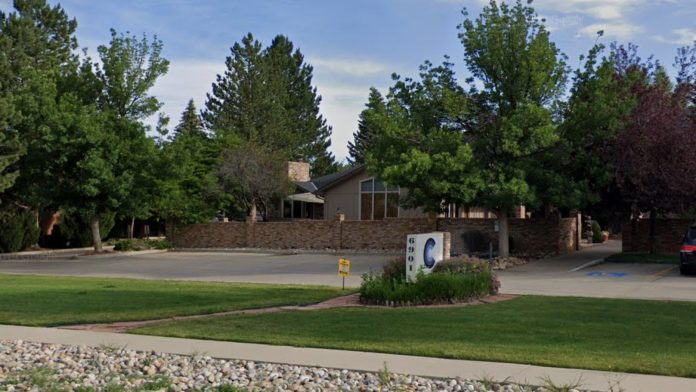
People living with a substance use disorder can receive a full continuum of care from residential treatment to sober living to outpatient treatment at Choice House in Boulder, Colorado. They are equipped to help clients who have co-occuring mental health issues and use proven therapies to help men on a journey towards personal growth and long-term sobriety.
In the residential program, clients receive round-the-clock care which focuses on stabilizing physical health, addressing the psychological and behavioral aspects of addiction, and laying the foundations for lasting recovery. Treatment in the comfortable residential facility includes individual therapy, group counseling, and experiential therapies in the beautiful natural surroundings of South Boulder.
Following residential treatment, clients move into the transitional living program, which balances clinical care and increased independence. The program helps clients strengthen their recovery skills in a real-world setting. The next step down in the continuum of care is the structured living program, which is a 12-Step based recovery and sober living community. Here clients continue enhancing their independent living skills and build their recovery in the community.
Outpatient addiction treatment at Choice House consists of weekly individual and group therapy sessions to discuss substance use issues and develop the skills necessary to maintain sobriety. The gender-specific therapies focus on men’s issues, mental health, trauma, depression and anxiety, emotional regulation, relationships and intimacy.
Amenities
Private drug rehab provides a comfortable, secure environment that allows you to focus on doing the work to get your life back on track. Benefits include a higher staff-to-client ratio, increased one-on-one time with therapists and healthcare providers, private rooms for clients, and customized forms of therapy.
Residential drug rehab provides the comforts of home with the therapeutic support needed to successfully recover. Benefits of an inpatient program include increased safety, a higher success rate, and the time and distance given to focus on recovery. Residential drug rehabs are often the preferred method of treatment, as they can be tailored to meet specific needs, offer focused therapeutic care, and provide the necessary tools to sustain recovery.
Recreational therapy uniquely combines therapeutic interventions with an activity, like horse-riding, hiking, wilderness therapy, basketball, tennis, or a full workout. Benefits of recreational therapy include providing a healthy way to work through the emotions of recovery, learning to build and maintain relationships, improving communication skills, and building self-esteem.
Art and music are mediums that connect with our feelings, making them a great recovery tool during addiction treatment. Studies show that combining art/music and drug rehab can have a greater therapeutic impact than drug rehab alone, as you’re able to access parts of your brain and body that you may not have access to during traditional talk therapy. Benefits of art/music therapy include lowering stress and anxiety, promoting healthy neurochemicals, and providing stress relief.
Treatment centers with a yoga studio offer a special form of holistic therapy during the recovery process. Yoga boosts mindfulness, a sense of calm, and healthy reflection during drug rehab via breathing exercises, stretching, and a progression of specific postures.
Swimming increases blood flow to the body and brain, boosts white blood cells, and improves muscle strength, lung capacity, and overall stamina. Drug rehabs with a swimming pool offer physical and mental benefits to complement the recovery process.
When paired with cognitive-behavioral therapy, exercise can be an effective tool for overcoming addiction. Drug rehabs with a gym offer clients healthy ways to increase energy levels, balance the body’s stress hormone levels, and aid in the brain’s healing process.
Addiction Treatment Programs
Each young adult program in Colorado is unique, but most offer evidence-based treatment methods while focusing on the young-adult stage of life. Common methods include cognitive behavioral therapy, group and individual therapy, family therapy, relapse prevention, and dual diagnosis therapy.
Each adult program in Colorado centers around helping individuals obtain and maintain sobriety. These programs are designed for men and women 18 and older who struggle with addiction. Common treatment methods include one-on-one and group therapy.
Alcohol rehab in Colorado provides a crucial support system that sees you through challenges and helps you come out victorious on the other side. Treatment helps individuals come to terms with alcohol abuse issues and learn how to overcome them.
Men’s rehab in Colorado focuses on the needs of men, including the unique ways they respond to addiction and addiction treatment. These programs allow men to process emotions and connect with other men who have similar struggles.
Opioid rehab in Colorado connects you with the tools and resources you need to overcome opioid use disorder and prevent relapse. Treatment provides structure, accountability, improved health, and community support through a variety of evidence-based methods.
Cognitive behavioral therapy in Colorado helps a person understand why they act and feel certain ways and how their behavior can lead to substance abuse. This treatment method equips participants with ways to manage these thoughts and feelings and overcome addiction.
Professional services are often necessary to recover from addiction. Drug rehab in Colorado provides the expert services needed to address the complex issues of addiction and help individuals start their recovery journey.
The core of rational emotive behavioral therapy for addiction is the ABC model. Participants consider an Activating event, their Beliefs surrounding the event, and the Consequences caused by those beliefs. Therapists help participants reframe their beliefs to create healthier consequences.
EMDR Therapy is a neurobiological treatment modality used to address trauma disorders and related mental and behavioral health challenges. Short for eye movement desensitization and reprocessing, EMDR is designed to help clients cope with distressing memories and emotions, including fear, sadness, and anger. EMDR may help clients in addiction recovery manage the psychological and emotional triggers that contribute to substance misuse and/or addiction relapse.
Levels of Care
During outpatient rehab in Colorado, you will attend counseling sessions but live at home while you receive treatment. You will be required to attend groups such as AA or NA to receive additional support. The length of time in outpatient rehab varies by individual, based on their recovery journey.
Many people who struggle with a substance abuse disorder also have a mental health disorder. In these situations, Colorado dual diagnosis treatment is essential, for treating both disorders simultaneously.
Residential or inpatient rehab in Colorado is the most intensive treatment setting, offering medication management, individual and family therapy, and verious forms of evidence-based or holistic therapy. Clients live at the facility while receiving treatment.
When paired with 12-step programs, Colorado sober living has been shown to improve outcomes for those in recovery. Residents live in a structured environment with peer support and strict house rules. This arrangement can provide the support you need during early months of recovery.
Accreditations
Contact Information


 Sponsored
Nearby Treatment Centers

103 E Simpson St
Lafayette, CO 80026
5600 Arapahoe Avenue
Suite 100
Boulder, CO 80303

5495 Arapahoe Ave
Ste 101-A
Boulder, CO 80303
6630 Gunpark Dr
NorthStar Transitions, CO 80301
