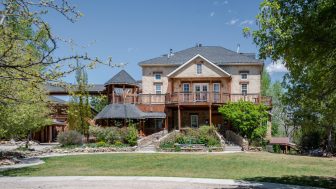
Chateau Recovery
375 Rainbow Ln
Midway, UT 84049
 Sponsored
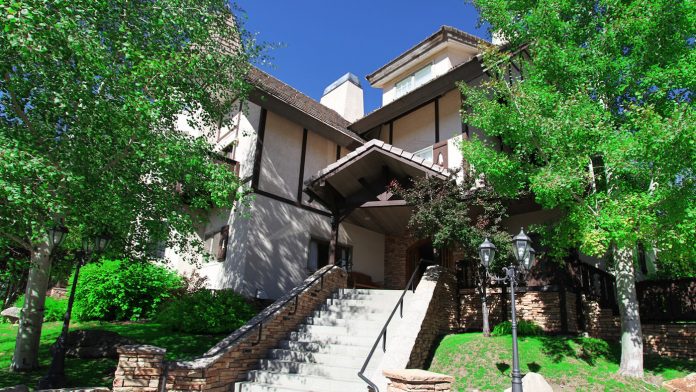
About Chateau Recovery
Chateau Recovery specializes in residential mental health and addiction treatment. Support is available to adults aged 26 and older, including those with dual diagnoses and concurrent conditions, regardless of background. Potential residents must be willing to participate in treatment, and able to perform day-to-day tasks.
TRICARE and many other commercial health insurance providers are accepted, as well as self-pay. Additional financing programs featuring flexible terms and monthly payments are also available.
Chateau offers a safe and peaceful setting where clients can really dedicate themselves to their recovery journey. Here, clients are encouraged to reflect, plan, and set goals for what they may envision for their life post-recovery. The reasoning behind their admission age is to ensure clients can go through treatment with individuals in similar phases of life. As part of this, they also provide a more intimate recovery environment, only accepting 16 clients at any given time to create a more tight-knit community for peer support.
Once accepted, individuals will undergo multiple diagnostic assessments to fully understand where they’re at and how best to approach their treatment. The team makes sure individuals are involved in the creation of their customized treatment plan, with goals reviewed weekly to check that they’re on track.
When it comes to their approach to treatment, residents can benefit from a variety of therapy options, including acceptance and commitment therapy, rational emotive behavior therapy, cognitive processing therapy, cognitive and dialectical behavioral therapy, accelerated resolution therapy, motivational interviewing, brainspotting, and neurofeedback. Eye movement desensitization and reprocessing is used for the treatment of trauma, and mindfulness-based stress reduction practices are also used here.
Recreational therapy is also included as part of a holistic approach to treatment. It involves meaningful activities designed to engage participants physically, mentally, and emotionally in a positive way.
Once individuals come to the end of their residency, they will receive a customized aftercare plan which includes outpatient services, medication-assisted treatment and supportive housing where applicable, and local recovery groups and resources. This way, Chateau helps its alumni transition back into their new lives as part of a sustainable and effective continuing care plan.
Amenities
Private drug rehab provides a comfortable, secure environment that allows you to focus on doing the work to get your life back on track. Benefits include a higher staff-to-client ratio, increased one-on-one time with therapists and healthcare providers, private rooms for clients, and customized forms of therapy.
Recreational therapy uniquely combines therapeutic interventions with an activity, like horse-riding, hiking, wilderness therapy, basketball, tennis, or a full workout. Benefits of recreational therapy include providing a healthy way to work through the emotions of recovery, learning to build and maintain relationships, improving communication skills, and building self-esteem.
Yoga and meditation are great activities to support your recovery process during alcohol or drug rehab. These therapies have been around for centuries, and they are an effective way to improve well-being. Combining addiction treatment, yoga, and meditation can reduce cravings, improve sleep, relieve anxiety and depression, provide stress relief, promote relaxation, support emotional healing, and improve energy levels.
Art and music are mediums that connect with our feelings, making them a great recovery tool during addiction treatment. Studies show that combining art/music and drug rehab can have a greater therapeutic impact than drug rehab alone, as you’re able to access parts of your brain and body that you may not have access to during traditional talk therapy. Benefits of art/music therapy include lowering stress and anxiety, promoting healthy neurochemicals, and providing stress relief.
Treatment centers with a yoga studio offer a special form of holistic therapy during the recovery process. Yoga boosts mindfulness, a sense of calm, and healthy reflection during drug rehab via breathing exercises, stretching, and a progression of specific postures.
Music can be extremely therapeutic, serving as a valuable healing tool and an integrative feature of a holistic treatment plan. A music room offers a large number of outlets, including singing, playing musical instruments, and listening to music.
In order to maintain a sense of autonomy, many private rehab facilities offer clients the ability to choose their own private rooms. The privacy and personal space ensure that the recovery process is as comfortable as possible.
Swimming increases blood flow to the body and brain, boosts white blood cells, and improves muscle strength, lung capacity, and overall stamina. Drug rehabs with a swimming pool offer physical and mental benefits to complement the recovery process.
Luxury rehab is a form of treatment offered in a residential, resort-style setting. You’ll receive personalized treatment from staff and clinicians, have access to forms of treatment that go beyond what a typical inpatient rehab offers, and offer specific amenities like ocean views, large single occupancy bedrooms with private baths, and complementary spa treatments like massage, acupuncture, or reiki. Most luxury rehab centers have a limited number of beds.
Rehabs that offer mountain views provide beautiful spaces for clients to explore, de-stress, and take part in outdoor or wilderness therapy programs. The mountain surroundings can be a great help to the recovery process, as sobriety may be better achieved while surrounded by a serene setting in nature.
Addiction Treatment Programs
A young adult program in Utah offers comprehensive treatment to prepare young adults to be successful in life. Treatment addresses challenges unique to this age bracket (teens and twenties), and provides activities and therapies tailored for young adults.
An adult program in Utah offers treatment services for those seeking help with drug or alcohol addiction. Methods vary, but most programs use a combination of counseling, medical treatment, and therapeutic activities to help participants achieve recovery.
For many people, alcohol rehab in Utah is an essential first step on their journey of recovery. These programs provide treatment and support that make it possible to address issues of addiction and make changes that put individuals on the path to sobriety.
When individuals attend men’s rehab in Utah, they receive treatment focused on the experiences of men. For example, this treatment removes the stigma of asking for help or looking weak. This helps men move forward with recovery.
Women’s rehab in Utah focuses on empowering women with self-confidence and support to achieve long-term sobriety. These programs allow gender-related issues to be handled among other women, which is more comfortable for many participants.
During opioid rehab in Utah, you will develop healthy coping skills, gain support for your recovery, and learn how to prevent relapse. This treatment program will allow you to overcome addiction and maintain a healthy, sober lifestyle.
Cognitive behavioral therapy in Utah teaches individuals how to calm their minds and face challenges instead of avoid them. This treatment method empowers people to manage feelings and situations that have led to substance abuse in the past.
When you enter a drug rehab in Utah, you start a journey toward recovery. This usually involves four stages: treatment initiation, early abstinence, maintaining abstinence, and advanced recovery. Addiction experts are available to help you every step of the way with personalized treatment and support.
Rational emotive behavioral therapy in Utah can be applied to any form of substance abuse treatment. It is often used in dual diagnosis treatment, to address both addiction and associated issues such as anxiety or depression.
EMDR Therapy is a neurobiological treatment modality used to address trauma disorders and related mental and behavioral health challenges. Short for eye movement desensitization and reprocessing, EMDR is designed to help clients cope with distressing memories and emotions, including fear, sadness, and anger. EMDR may help clients in addiction recovery manage the psychological and emotional triggers that contribute to substance misuse and/or addiction relapse.
Animal & equine therapy are evidence-based complementary therapies drawing on the emotional, psychological, and physiological benefits of regular contact with animals. Addiction recovery programs may incorporate the care of therapy dogs, cats, horses, and other animals into their treatment model to support clients’ development of recovery-focused life skills, including personal responsibility, time management, and empathy. Contact with therapy animals may reduce stress, enhance mood, decrease depression and anxiety, and increase clients’ self-esteem and sense of wellbeing.
Assertive Community Treatment (ACT) is an integrative, community-based care strategy designed to address the needs of persons with severe and/or complex mental illness or behavioral disorders. ACT is typically provided by a multidisciplinary team of medical and mental health care providers, social workers, therapists, and other specialists, including addiction recovery professionals. These services are frequently provided in the home and community to clients in crisis, those who are clinically unstable, and those who are unable or unwilling to travel to a hospital or clinic for in-person treatment.
Levels of Care
If you meet the criteria for both substance abuse disorder and a mental health disorder, this is called dual diagnosis. For the best recovery outcomes, you need dual diagnosis treatment in Utah. This type of treatment involves specialists in both fields, to address all your recovery needs.
For successful long-term recovery, consider staying actively engaged in Utah aftercare rehab for at least a year. During this initial time after treatment, you’ll face many challenges and temptations. Aftercare gives you the resources and support you need to maintain sobriety.
Depending on the program, inpatient rehab in Utah can last from four to 12 weeks. It involves living at the facility under 24/7 supervision. Typical treatment methods include individual, group, and recreational therapy as well as medication.
When you decide to enter drug rehab in Utah, you’ll commonly start your recovery with detox. You’ll receive round-the-clock care to cleanse your systems of all addictive substances. This may involve medication to alleviate withdrawal.
The average length of stay in a Utah sober living home is five to eight months. However, you can stay as long as you want if you continue to follow the house rules. This structured living environment provides a stable place to strengthen your recovery skills before moving out on your own.
Accreditations
Accepted Insurance


Contact Information


 Sponsored