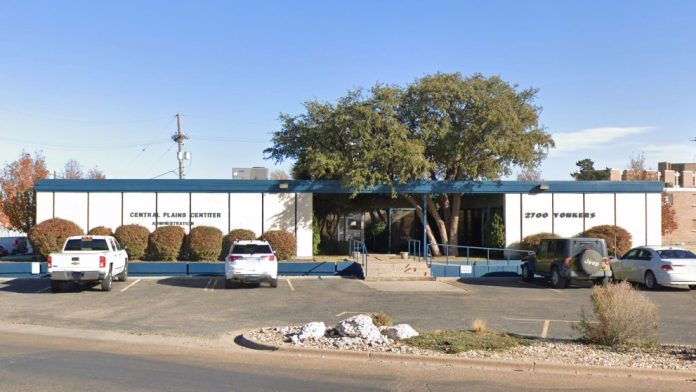
Central Plains Center
2700 Yonkers Street
Plainview, TX 79072
 Sponsored
About Central Plains Center
The Central Plains Center is in Plainview, Texas, the county seat of Hale County. The clinic provides outpatient mental health, addiction and intellectual disability service to children, teens and adults.
The Yonkers Street office is their central location, and they can direct you to clinics with individual services from there. Many mental health and substance use services take place at the Haven Center on Houston Street.
Outpatient Treatment for Adults and Youth in Plainview
Mental health treatment is available to children and adults ages three and up. They offer individual and group counseling, psychiatric services and connections to medical care and community resources as needed.
There are two outpatient substance use programs. One is for adolescents and the other for adults. The youth program focuses on recovery skills, self image, awareness and personal self care. I like that teens also learn relapse prevention strategies and how to set realistic goals.
For adult addiction treatment, the Center delivers screenings along with individual and group therapy. Topics include addiction education, help with underlying causes of substance use, identifying use triggers and developing healthy coping skills. If you need a more intensive level of care, they can refer you to residential or intensive outpatient programs.
Recovery Support Services From the Central Plains Center
What really stood out to me were the recovery support services available from the Center. There are peer run group meetings, life skills training that covers financial literacy, parenting and stress, and recovery check ups.
The support services also provide access to community resources and trained peer recovery coaches along with invitations to community involvement projects and recovery events.
Amenities
Private drug rehab provides a comfortable, secure environment that allows you to focus on doing the work to get your life back on track. Benefits include a higher staff-to-client ratio, increased one-on-one time with therapists and healthcare providers, private rooms for clients, and customized forms of therapy.
In order to maintain a sense of autonomy, many private rehab facilities offer clients the ability to choose their own private rooms. The privacy and personal space ensure that the recovery process is as comfortable as possible.
Addiction Treatment Programs
The goal of a young adult program in Texas is to set young people free from the effects of addiction and give them the skills they need to successfully navigate early adulthood. This is accomplished with age-appropriate settings, therapies, and activities.
The Lone Star State offers a host of options for those in search of an adult program in Texas. From inpatient to outpatient care, adults can find a program that meets their needs for effective treatment of substance use issues.
Through therapy, counseling, and medication assisted treatment, individuals in opioid rehab in Texas gain the skills they need to live a healthier life. The goal is to help you take control of your life and prevent relapse.
The goals of cognitive behavioral therapy in Texas include evaluating thoughts and changing thinking patterns that are leading to substance use. This treatment helps participants understand their motives and problem-solve to work through challenges without the use of substances.
While in a drug rehab in Texas, you’ll deal with underlying issues that contribute to addiction. By addressing these challenges and learning healthy ways to cope with them, you’ll develop strategies that help you live a drug-free lifestyle.
Rational emotive behavioral therapy in Texas follows a model used to guide clients to change their behaviors and achieve recovery. The model involves identifying an activating event, beliefs about that event, and how those beliefs lead to consequences.
Levels of Care
Outpatient rehab in Texas provides a means for addition treatment while you live at home. You will attend regular therapy sessions and typically maintain involvement with a 12-step program. Because it is tailored for each person’s needs, there is no set timeline for completion of outpatient rehab.
A dual diagnosis treatment center in Texas provides programs for people who struggle with both substance abuse and mental illness. Treating both disorders through an integrated approach is essential for recovery.
Accreditations
Contact Information


 Sponsored