
Center For Great Expectations
 Sponsored
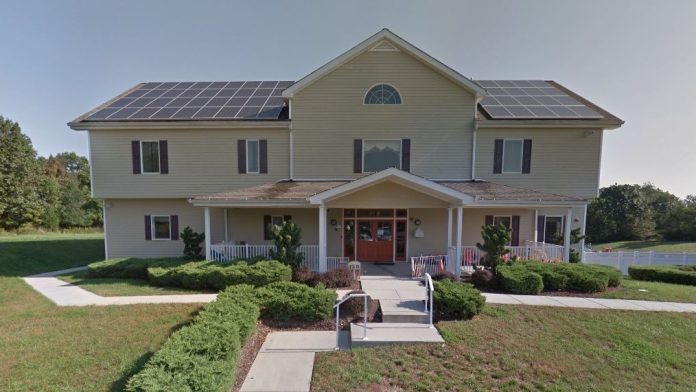
About Center For Great Expectations
Center for Great Expectations is a nonprofit substance use treatment program in Somerset, New Jersey and provides residential care for pregnant and parenting women, adolescents and their young children.
CGE offers adult and adolescent residential treatment along with an array of outpatient and supportive services. I appreciate how the organization is rooted in safety, dignity and family preservation.
Compassionate Care for Mothers
The adult residential program serves pregnant and parenting women with substance use and mental health needs, while the adolescent residential program supports young women ages 13 to 20.
I want to note that mothers can keep children up to age 5 with them during treatment.
You can expect individual, family and group psychotherapy, early relational health therapy and medication assisted therapy, case management and peer recovery support.
I'll point out that CGE also connects clients to outpatient care through its Roots to Recovery program for ongoing stability.
Key Features
- Location: Somerset, New Jersey on Dellwood Lane and serving clients statewide
- Levels of care: Adult and adolescent residential treatment plus outpatient and IOP services
- Who they treat: Pregnant and parenting women, adolescents ages 13 to 20 and their children up to age 5
- Approach: Trauma informed and relational recovery centered on Early Relational Health
- Payment options: Accepts Medicare and Medicaid, private insurance and private pay
- Amenities: On site licensed child development center, 24/7 direct care and a smoke free campus
Amenities
Private drug rehab provides a comfortable, secure environment that allows you to focus on doing the work to get your life back on track. Benefits include a higher staff-to-client ratio, increased one-on-one time with therapists and healthcare providers, private rooms for clients, and customized forms of therapy.
Residential drug rehab provides the comforts of home with the therapeutic support needed to successfully recover. Benefits of an inpatient program include increased safety, a higher success rate, and the time and distance given to focus on recovery. Residential drug rehabs are often the preferred method of treatment, as they can be tailored to meet specific needs, offer focused therapeutic care, and provide the necessary tools to sustain recovery.
Recreational therapy uniquely combines therapeutic interventions with an activity, like horse-riding, hiking, wilderness therapy, basketball, tennis, or a full workout. Benefits of recreational therapy include providing a healthy way to work through the emotions of recovery, learning to build and maintain relationships, improving communication skills, and building self-esteem.
Yoga and meditation are great activities to support your recovery process during alcohol or drug rehab. These therapies have been around for centuries, and they are an effective way to improve well-being. Combining addiction treatment, yoga, and meditation can reduce cravings, improve sleep, relieve anxiety and depression, provide stress relief, promote relaxation, support emotional healing, and improve energy levels.
Treatment centers with a yoga studio offer a special form of holistic therapy during the recovery process. Yoga boosts mindfulness, a sense of calm, and healthy reflection during drug rehab via breathing exercises, stretching, and a progression of specific postures.
In order to maintain a sense of autonomy, many private rehab facilities offer clients the ability to choose their own private rooms. The privacy and personal space ensure that the recovery process is as comfortable as possible.
Addiction treatment programs provide an opportunity to get your life back on track with access to school classes or college courses. Whether you want to finish your GED or go back to school to learn a new trade, facilities often enlist tutors and teachers who are certified or licensed by the state to oversee self-study or distance-learning education.
Wilderness rehab programs offer all the benefits of a traditional drug rehab, but with the added benefits of outdoor adventure. Venture out into the forest to learn new skills, explore the beauty of nature, and relieve stress. Engaging in wilderness activities is a great way to gain self-discovery and release negative emotions.
When used as part of an evidence-based treatment plan, basketball can boost physical and mental health, lead to sharper thinking, and facilitate improved self-esteem. Drug rehabs with a basketball court also place a focus on teamwork and cooperation.
Addiction Treatment Programs
There are many benefits to a young adult program in New Jersey. These programs offer a more comfortable environment that helps young adults feel more at home. The peer support provided also helps participants develop healthy relationships for mutual support.
An adult program in New Jersey can take place in different settings. Individuals seeking treatment for addiction can choose from inpatient, outpatient, and sober living homes, which provide treatment at different levels of intensity.
To help you achieve long-term recovery, alcohol rehab in New Jersey addresses addiction issues from medical and psychological viewpoints. By treating the whole person, these programs give you the tools you need to achieve and maintain sobriety.
Women’s rehab in New Jersey is ideal for women who are uncomfortable in a co-ed treatment environment. Women’s rehab provides a safe and caring setting where they can focus on their treatment and connect with other women who understand.
At opioid rehab in New Jersey, patients receive individualized treatment that is adjusted to meet their needs as they progress toward recovery. Addiction specialists partner with each individual to tailor their treatment to address specific challenges that contribute to their addiction.
Drug rehab in New Jersey is the process of addressing the complex issues involved with addiction. Challenges are identified and addressed through individual and group counseling. Participants learn how to manage these issues without the use of substances.
Fitness therapy is an evidence-based complementary approach to addiction recovery and mental health care. Based on mounting scientific evidence of the benefits of physical activity in improving mood, enhancing clients’ sense of wellbeing, and decreasing depression and anxiety, fitness therapy encompasses a wide spectrum of intensities, from gentle yoga, qigong, and tai chi to weight training, kickboxing, and other highly physical activities.
Assertive Community Treatment (ACT) is an integrative, community-based care strategy designed to address the needs of persons with severe and/or complex mental illness or behavioral disorders. ACT is typically provided by a multidisciplinary team of medical and mental health care providers, social workers, therapists, and other specialists, including addiction recovery professionals. These services are frequently provided in the home and community to clients in crisis, those who are clinically unstable, and those who are unable or unwilling to travel to a hospital or clinic for in-person treatment.
Levels of Care
If you have a co-occurring mental health disorder and substance abuse disorder, both must be treated in order for you to recover. Dual diagnosis treatment in New Jersey specializes in this approach. Specialists in both fields will provide the tools and resources you need for recovery.
New Jersey aftercare rehab services help those in recovery adapt to their new, sober lives. This begins after initial rehab treatment ends and can last for up to a year or more. Typical services include support groups, counseling, life coaching, and financial guidance.
Inpatient drug rehab in New Jersey offers the most intensive treatment setting, with 24/7 medical care available. While living at the rehab facility, you’ll participate in various treatments, typically including extensive psychotherapies that draw on modalities like cognitive behavioral therapy (CBT) and motivational interviewing.
When you check into New Jersey Drug Rehab, your first step toward recovery will be detox. This supervised period, which may last up to a week, purges all toxic substances from your body.
If you have been through rehab and don’t have a strong support system at home, sober living in New Jersey may be a good option for you. Many find that this transitional housing setting provides the extra support they need during the first few vulnerable months of recovery.
Intervention services are valuable tools that encourage a person to accept professional treatment from a drug rehab in New Jersey. These services provide support to family members as they plan and stage interventions, choose an effective treatment plans, and navigate the admission process.
New Jersey outpatient therapy offers a next-step after inpatient treatment. This flexible program is tailored to meet each person’s recovery needs as they step back into life. It includes regular sessions with a counselor and support group, for accountability and continued relapse prevention.
Accreditations
Contact Information


 Sponsored
Natalie is a recent graduate of Purdue University, where she studied psychology and creative writing. Every morning, she’s fueled by a cup of tea and her passion for making sure mental health resources are accessible to everyone. In her spare time, she loves writing poetry by her window, where she can watch the sunrise.
Rehabs.org regularly reviews this listing for accuracy but changes may occur between updates. For the most up-to-date information, please contact Center For Great Expectations.
Nearby Treatment Centers
14 Wills Way
Building 5
Piscataway, NJ 08854
671 Hoes Lane West
Piscataway, NJ 08854
270 Davidson Avenue
#105
Somerset, NJ 08873
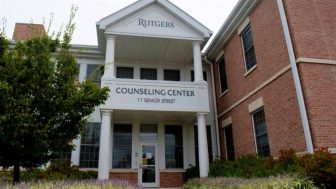
17 Senior Street
New Brunswick, NJ 08901
