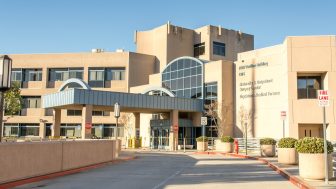
Center for Discovery – Glendale
535 North Brand Boulevard
Suite 350
Glendale, CA 91203
 Sponsored

About Center for Discovery – Glendale
Center for Discovery Glendale is located on North Brand Boulevard in Glendale, California. They offer behavioral health services including treatment for addiction and mental health conditions. They are easily accessible to Highway 134 and Highway 2. They are also located close to many natural landmarks including Verdugo Park, Los Angeles Zoo and Brand Park.
Specialized in Co Occurring Disorder Treatment with a Focus on Eating Disorders
I find it good to know that at CDG, their primary specialty is on eating disorders and conditions relating to body dysmorphia. They treat anorexia, bulimia, binge eating and orthorexia. But it’s common for addiction to co-occur with eating disorders, so for these clients, they treat substance use disorder alongside their eating disorder.
SUD Treatment Services Unique Populations
Their substance use disorder treatment is focused on care for adolescents and teens as well as adults. They also provide gender specific care and treat specialized populations including active military and veterans as well as those who identify as members of the LGBTQ+ community.
Addressing Genetic Predisposition to Eating Disorders
They address the social causes they may have led to your disorder, as well as genetics. They also address any psychological issues which may be co-occurring with your disorder. Additionally they treat those struggling with anxiety and bipolar disorders, along with OCD and depression. They help you address past traumas through therapy and avoiding self-harm as a result of mental health conditions.
Specialty Care for Rarer Eating Disorders
I like that CDG also focuses on more uncommon eating disorders like ARFID and OSFED. Many eating disorder programs primarily treat more common disorders like anorexia and bulimia, but this specialized treatment center has a more in-depth expertise in a range of disorders.
Amenities
Residential drug rehab provides the comforts of home with the therapeutic support needed to successfully recover. Benefits of an inpatient program include increased safety, a higher success rate, and the time and distance given to focus on recovery. Residential drug rehabs are often the preferred method of treatment, as they can be tailored to meet specific needs, offer focused therapeutic care, and provide the necessary tools to sustain recovery.
Yoga and meditation are great activities to support your recovery process during alcohol or drug rehab. These therapies have been around for centuries, and they are an effective way to improve well-being. Combining addiction treatment, yoga, and meditation can reduce cravings, improve sleep, relieve anxiety and depression, provide stress relief, promote relaxation, support emotional healing, and improve energy levels.
Treatment centers with a yoga studio offer a special form of holistic therapy during the recovery process. Yoga boosts mindfulness, a sense of calm, and healthy reflection during drug rehab via breathing exercises, stretching, and a progression of specific postures.
Addiction Treatment Programs
Typically, a young adult program in California can guide individuals from detox, through initial treatment, and extends to aftercare. Treatment gives young adults what they need to reset their lives and move to the next stage of life free from addiction.
An adult program in California uses various therapeutic methods to treat a person who is dependent on an addictive substance. Individuals aged 18 and older are eligible for treatment, which focuses on breaking the cycle of addiction and learning how to maintain sober living.
Alcohol rehab in California provides professional treatment to guide participants through each step of recovery. Programs offer a support system to walk you through challenges and celebrate victories with you, from detox to long-term sobriety.
Gender-specific addiction treatment programs may be more effective in treating men because they focus on unique needs of males. Men’s rehab in California is designed to help men process emotions and cope with stress in a judgment-free environment.
Women’s rehab in California provides a safe environment where women can work through addiction challenges surrounded by their gender peers. This often creates an environment that is more conducive to recovery.
When a person is struggling with addiction, their actions and emotions may not be rational. Cognitive behavioral therapy in California helps individuals understand better why they feel and act certain ways and how those emotions and actions can lead to substance abuse.
Drug rehab in California teaches participants constructive ways to stay clean and sober. Treatment revolves around helping individuals stop using the substance they are addicted to and learn healthy habits to avoid relapse.
EMDR Therapy is a neurobiological treatment modality used to address trauma disorders and related mental and behavioral health challenges. Short for eye movement desensitization and reprocessing, EMDR is designed to help clients cope with distressing memories and emotions, including fear, sadness, and anger. EMDR may help clients in addiction recovery manage the psychological and emotional triggers that contribute to substance misuse and/or addiction relapse.
Fitness therapy is an evidence-based complementary approach to addiction recovery and mental health care. Based on mounting scientific evidence of the benefits of physical activity in improving mood, enhancing clients’ sense of wellbeing, and decreasing depression and anxiety, fitness therapy encompasses a wide spectrum of intensities, from gentle yoga, qigong, and tai chi to weight training, kickboxing, and other highly physical activities.
Assertive Community Treatment (ACT) is an integrative, community-based care strategy designed to address the needs of persons with severe and/or complex mental illness or behavioral disorders. ACT is typically provided by a multidisciplinary team of medical and mental health care providers, social workers, therapists, and other specialists, including addiction recovery professionals. These services are frequently provided in the home and community to clients in crisis, those who are clinically unstable, and those who are unable or unwilling to travel to a hospital or clinic for in-person treatment.
Levels of Care
When you choose outpatient rehab in California, you will meet with a counselor and attend support group meetings. The focus will be on restructuring attitudes and thoughts to reduce cravings and develop skills to prevent relapse. The length of time in outpatient rehab varies by individual, based on their recovery needs.
When you have a co-occurring disorder, it is essential to treat both your addiction and the mental health disorder. California dual diagnosis treatment provides this type of multidisciplinary approach, for improved recovery outcomes.
Partial hospitalization programs (PHPs) are a type of outpatient treatment program that often utilize many of the same treatment methods used for inpatient care. The difference being that you only visit the drug rehab in California during treatment times, then you can return home.
Accreditations
Accepted Insurance




Contact Information


 Sponsored