
Cedar Crest Hospital & Residential Treatment Center
 Sponsored
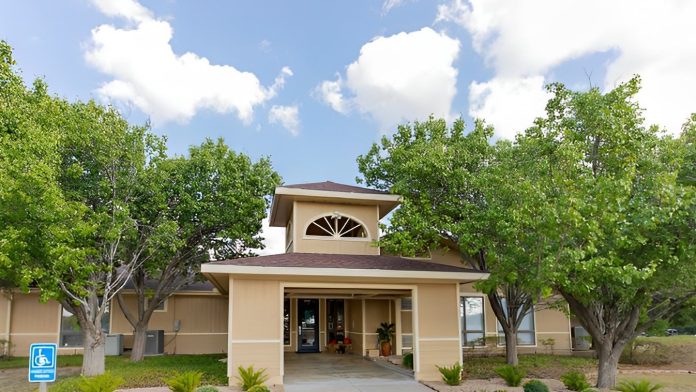
About Cedar Crest Hospital & Residential Treatment Center
Cedar Crest Hospital & Residential Treatment Center is a behavioral health and addiction treatment center in Belton, Texas.
Located just off Interstate 35, the facility provides inpatient, adolescent residential, partial hospitalization, intensive outpatient and outpatient services.
I've found that they have more than 30 years serving the community, while emphasizing individualized, evidence based care across the lifespan of individuals and families.
Addiction Treatment with Cedar Crest Hospital
Care often begins with a comprehensive assessment, medical evaluation and psychiatric examination, with medication available early in treatment to help manage withdrawal symptoms.
From there, clients may enter inpatient care for crisis stabilization or step into structured outpatient programming based on their needs.
Adult inpatient treatment includes rapid assessment, group therapy and family therapy, while adult IOP offers individual therapy, group therapy,and medication management in both in-person and virtual formats.
I've found they offer therapeutic approaches like CBT, DBT, EMDR and recreational therapy, with a strong focus on co-occurring disorders.
Quick Facts About Cedar Crest Hospital
- Location: Belton, Texas, on a private 30-plus-acre campus in the rolling hills of Central Texas
- Levels of care: Inpatient, adolescent residential, PHP, IOP and outpatient treatment
- Who they treat: Children, adolescents (ages 12-17), adults, older adults and military personnel, including dual diagnosis
- Approach: Evidence based and family inclusive, using CBT, DBT, EMDR and 12-step programs
- Payment options: Accepts Tricare, TriWest, BCBS, Aetna, Medicare, Medicaid, Optum, Humana and Cigna
- Amenities: Walking trails, outdoor pool, full-size gym and an adolescent ropes course
Amenities
Art and music are mediums that connect with our feelings, making them a great recovery tool during addiction treatment. Studies show that combining art/music and drug rehab can have a greater therapeutic impact than drug rehab alone, as you’re able to access parts of your brain and body that you may not have access to during traditional talk therapy. Benefits of art/music therapy include lowering stress and anxiety, promoting healthy neurochemicals, and providing stress relief.
Addiction treatment programs provide an opportunity to get your life back on track with access to school classes or college courses. Whether you want to finish your GED or go back to school to learn a new trade, facilities often enlist tutors and teachers who are certified or licensed by the state to oversee self-study or distance-learning education.
Hiking is a great way to relieve stress, get perspective, navigate challenges, connect with nature, and improve your health - all essential components of sustaining long-term recovery. Studies also show that the body releases endorphins during physical activities like hiking. These endorphins improve mood and act as a natural pain reliever.
Music can be extremely therapeutic, serving as a valuable healing tool and an integrative feature of a holistic treatment plan. A music room offers a large number of outlets, including singing, playing musical instruments, and listening to music.
There’s nothing more distressing than leaving pets at home when leaving for for rehab. That’s why many addiction treatment programs are now pet friendly, allowing you to bring pets with you while attending a residential drug rehab program. These tailored addiction treatment programs provide a private room that has space to comfortably support you and your beloved furry companion.
Private drug rehab provides a comfortable, secure environment that allows you to focus on doing the work to get your life back on track. Benefits include a higher staff-to-client ratio, increased one-on-one time with therapists and healthcare providers, private rooms for clients, and customized forms of therapy.
Addiction Treatment Programs
The Lone Star State offers a host of options for those in search of an adult program in Texas. From inpatient to outpatient care, adults can find a program that meets their needs for effective treatment of substance use issues.
The goals of cognitive behavioral therapy in Texas include evaluating thoughts and changing thinking patterns that are leading to substance use. This treatment helps participants understand their motives and problem-solve to work through challenges without the use of substances.
EMDR Therapy is a neurobiological treatment modality used to address trauma disorders and related mental and behavioral health challenges. Short for eye movement desensitization and reprocessing, EMDR is designed to help clients cope with distressing memories and emotions, including fear, sadness, and anger. EMDR may help clients in addiction recovery manage the psychological and emotional triggers that contribute to substance misuse and/or addiction relapse.
Men’s rehab in Texas can create an environment that makes men more comfortable. Many men in Texas seek out this type of treatment for its gender-specific benefits.
Many Veterans can benefit from Veteran’s rehab in Texas. These programs include drug and alcohol detox services, 12-step groups, psychotherapy, relapse prevention, and sober living homes.
Elderly rehab in Texas provides treatment that is best-suited for the age, physical condition, and emotional condition of each participant. Staff are trained in geriatric issues and customize addiction treatment to address these concerns.
Many gender-specific issues must be addressed during addiction recovery. Women’s rehab in Texas provides the appropriate support for women’s challenges such as body image, motherhood, and trauma.
The goal of a young adult program in Texas is to set young people free from the effects of addiction and give them the skills they need to successfully navigate early adulthood. This is accomplished with age-appropriate settings, therapies, and activities.
Levels of Care
Detox in Texas is your first step toward a drug-free future. During this phase, your systems are cleansed of all addictive substances. You’ll receive 24/7 care, which may include medication to alleviate withdrawal symptoms.
Inpatient drug rehab in Texas can last from a few weeks to mor than 90 days. During that time, you live at the facility and receive round-the-clock supervised care. Treatment typically includes individual and group therapy.
Outpatient rehab in Texas provides a means for addition treatment while you live at home. You will attend regular therapy sessions and typically maintain involvement with a 12-step program. Because it is tailored for each person’s needs, there is no set timeline for completion of outpatient rehab.
A dual diagnosis treatment center in Texas provides programs for people who struggle with both substance abuse and mental illness. Treating both disorders through an integrated approach is essential for recovery.
Accreditations
Accepted Insurance


Contact Information


 Sponsored
Maygen Brockway, MTC, has more than 10 years of editing and writing experience. She’s written for the medical, wedding, fashion, and technical industries. She’s a poetry lover, coffee and whiskey drinker, social butterfly, and mom who lives in scenic Southern Utah. She has a Master’s in Technical Communication and loves writing.
Rehabs.org regularly reviews this listing for accuracy but changes may occur between updates. For the most up-to-date information, please contact Cedar Crest Hospital & Residential Treatment Center.
Nearby Treatment Centers

1901 Veterans Memorial Drive
Bldg 163
Temple, TX 76504

2401 South 31st Street
Temple, TX 76504
3804 Riverside Trail
Temple, TX 76502

4501 South General Bruce Drive
Suite 88
Temple, TX 76502
