CED Mental Health Center
 Sponsored
About CED Mental Health Center
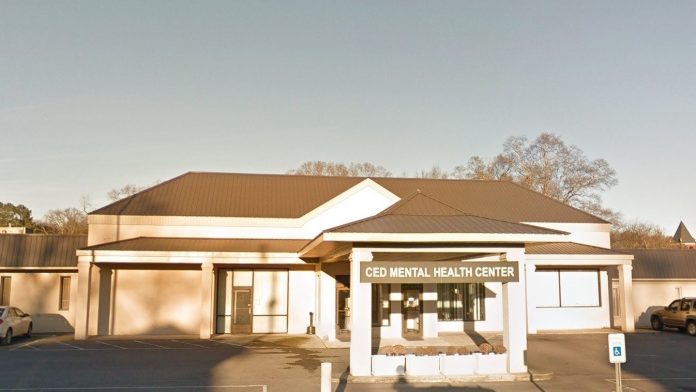
CED Mental Health Center is a community based substance use treatment program in Attalla, Alabama offering outpatient addiction and mental health services for adults across Northeast Alabama.
This Etowah County office provides intensive outpatient, outpatient and dual diagnosis treatment.
Serving the region since 1974, I like how CED combines evidence based care with integrated mental health and prevention services under one organization.
Programs at CED Mental Health Center
Clients may enter intensive outpatient programs or standard outpatient services, with assessments also available for pregnant women and IV drug users. I want to note that clients can expect therapy and psychoeducational classes.
CED offers dual diagnosis treatment for co-occurring conditions, along with case management, medication management and coordination with outside agencies to support recovery beyond counseling alone.
Key Features
- Location: Attalla, Alabama serving Cherokee, Etowah and DeKalb counties
- Levels of care: Intensive outpatient and outpatient, partial hospitalization and dual diagnosis treatment
- Who they treat: Adults with substance use and co-occurring mental health disorders, including pregnant women and IV drug users
- Approach: Cognitive behavioral therapy, individual and family therapy, and integrated behavioral health
- Payment options: Medicaid and TRICARE, private insurance and self pay, financial aid and sliding scale
- Additional services: Case management and crisis intervention, medication management and transportation
Amenities
Residential drug rehab provides the comforts of home with the therapeutic support needed to successfully recover. Benefits of an inpatient program include increased safety, a higher success rate, and the time and distance given to focus on recovery. Residential drug rehabs are often the preferred method of treatment, as they can be tailored to meet specific needs, offer focused therapeutic care, and provide the necessary tools to sustain recovery.
In order to maintain a sense of autonomy, many private rehab facilities offer clients the ability to choose their own private rooms. The privacy and personal space ensure that the recovery process is as comfortable as possible.
Private drug rehab provides a comfortable, secure environment that allows you to focus on doing the work to get your life back on track. Benefits include a higher staff-to-client ratio, increased one-on-one time with therapists and healthcare providers, private rooms for clients, and customized forms of therapy.
Addiction Treatment Programs
Adult rehab programs in Alabama provide addiction treatment for men and women ages 18 and older. Treatment focuses on helping adults break their dependence on substances and learn ways to live a sober lifestyle.
The goal of alcohol rehab in Alabama is to help individuals gain tools for long-term sobriety. Treatment empowers participants whose relationships, career, and health have been affected by alcohol use to live a successful life.
Assertive Community Treatment (ACT) is an integrative, community-based care strategy designed to address the needs of persons with severe and/or complex mental illness or behavioral disorders. ACT is typically provided by a multidisciplinary team of medical and mental health care providers, social workers, therapists, and other specialists, including addiction recovery professionals. These services are frequently provided in the home and community to clients in crisis, those who are clinically unstable, and those who are unable or unwilling to travel to a hospital or clinic for in-person treatment.
Cognitive behavioral therapy in Alabama helps people overcome addiction by managing challenging emotions and thoughts. It is commonly used during addiction and co-occurring disorder treatment.
Men’s rehab in Alabama offers treatment for men who have a substance use disorder. This treatment is designed to target issues that men commonly face when struggling with addiction.
The goal of opioid rehab in Alabama is to bring recovery to individuals suffering from opioid use disorder. Treatment breaks through to root issues that drive negative behaviors and helps men and women break free from dependence on opioids.
Rational emotive behavioral therapy in Alabama focuses on beliefs and how they influence an individual’s feelings and actions. It helps the individual identify irrational beliefs and develop healthier thought patterns, which leads to healthier substance use choices.
Elderly rehab in Alabama is addiction treatment designed for older adults. These programs may offer detox, residential treatment, or outpatient treatment as well as case management for aftercare.
Women often develop substance use disorders differently than men. Women’s rehab in Alabama addresses these unique developments and provides treatment designed specifically for women.
A young adult program in Alabama offers treatment tailored to young adults to provide the self-care, connection, and self-understanding they need to move forward in life. This treatment is designed by specialists who are familiar with the challenges of this stage of life.
Levels of Care
Outpatient rehab in Alabama allows you to attend a few hours of counseling each week, spread out over several days. You can spend the rest of your time at home, working, or fulfilling other obligations. The length of time in this type of program varies by individual.
Alabama dual diagnosis treatment takes an integrated approach to substance abuse and mental health disorders that occur simultaneously. Since co-occurring disorders tend to have overlapping symptoms, treating both conditions at the same time is essential for recovery.
Peer support is crucial to recovery, and the first few months of sobriety are often the most vulnerable. Sober living in Alabama provides safe housing and structured living conditions to help you maintain abstinence during this time.
Many drug rehabs in Alabama offer partial hospitalization programs (PHPs), a type of outpatient treatment that allows you to live at home while receiving addiction treatment at a rehab facility. A typical day is filled with individual and group therapy sessions, recovery education, periodic medical evaluations, and drilling aftercare skills to prevent relapse.
Accreditations
Accepted Insurance


Contact Information


 Sponsored
Natalie is a recent graduate of Purdue University, where she studied psychology and creative writing. Every morning, she’s fueled by a cup of tea and her passion for making sure mental health resources are accessible to everyone. In her spare time, she loves writing poetry by her window, where she can watch the sunrise.
Rehabs.org regularly reviews this listing for accuracy but changes may occur between updates. For the most up-to-date information, please contact CED Mental Health Center.