Catholic Charities
1408 Genesee Street
Utica, NY 13502
 Sponsored
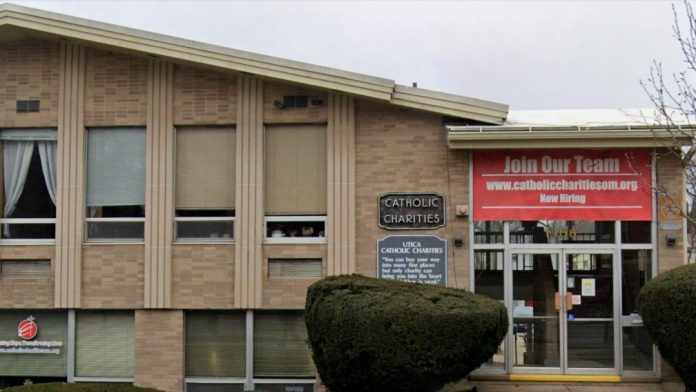
About Catholic Charities
Catholic Charities’ Women’s Halfway House provides transitional living for women leaving inpatient drug treatment facilities in Utica, New York. They have 16 beds and are certified by OASAS. In addition to offering a full range of substance abuse treatment services, the program offers participants a homelike, drug- and alcohol-free environment.
Residents usually stay for six months or for as long as their outpatient drug or alcohol treatment continues. Residents attend intensive outpatient treatment at one of three locations while enrolled in the program. Those centers offer transportation services. Peer support is emphasized as the primary means of assisting each participant in building a network of sober supporters. Additionally they provide participants with connections to the self help, social, vocational, and educational resources necessary to support their rehabilitation.
It’s expected that residents take part in every facet of the program as specified in their individualized service plan. You’ll be urged to investigate the range of recovery groups available around Utica, such as AA, NA, and SOS groups. Individuals receiving treatment for chemical dependencies, are homelessness or have unsuitable environments for recovery, or are in need of residential care can all benefit from their services.
Admittance of clients is voluntary. They never turn away a client because they can’t afford it. Bio-Psycho-Socials will be required to be admitted. Referral agencies can’t start the screening process until they receive a signed consent from the prospective resident.
All information disclosed is compliant with applicable state and federal laws and client records are kept private. Every Monday through Friday, screenings and inquiries are completed. This house has facilities for people with disabilities.
Amenities
Transportation services are designed to ensure your addiction treatment begins and ends successfully by offering free transportation to the rehab facility, to and from your appointments during rehab, and back home upon program completion.
In order to maintain a sense of autonomy, many private rehab facilities offer clients the ability to choose their own private rooms. The privacy and personal space ensure that the recovery process is as comfortable as possible.
Residential drug rehab provides the comforts of home with the therapeutic support needed to successfully recover. Benefits of an inpatient program include increased safety, a higher success rate, and the time and distance given to focus on recovery. Residential drug rehabs are often the preferred method of treatment, as they can be tailored to meet specific needs, offer focused therapeutic care, and provide the necessary tools to sustain recovery.
Addiction Treatment Programs
Some men benefit most from men’s rehab in New York. These programs understand the unique challenges that men face when struggling with addiction, and they offer personalized treatment to address these challenges.
Men and women face different issues when it comes to addiction and recovery. Women’s rehab in New York offers treatment approaches that address life issues that are specific to women.
To address the full range of issues involved in alcohol use disorder, an alcohol rehab in New York often incorporates a variety of treatment methods. Physical activity, nutrition, psychotherapy, and support groups are common aspects of treatment.
When you choose drug rehab in New York, you’ll participate in a variety of treatments that are designed to help you live a drug-free lifestyle. Common methods of treatment include group, individual, and family counseling, medication management, nutrition, exercise, and management of co-occurring mental health disorders.
A quality adult program in New York provides a combination of medical, mental, and emotional support to treat the whole individual. Various methods are used to help adults achieve and maintain sobriety.
While at a young adult program in New York, young people can participate in activities and therapy sessions that cater to their age bracket. They can also form relationships with other young adults for mutual support.
Levels of Care
Once rehab is complete, aftercare rehab in New York steps in to prevent relapse. This program gives you access to resources that reduce stress and help you successfully navigate challenges. Studies show that people who take advantage of these resources are more likely to maintain long-term recovery.
A New York sober living program is appropriate for those who want to stop using drugs or alcohol but don’t feel ready to do so on their own. This communal environment allows you to live with others who are in recovery, for mutual support and accountability. A structured schedule and strict house policies help you strengthen your recovery skills, until you are strong enough to live independently.
For those who require accountability but less intensive oversight, outpatient rehab in New York is a good option. During this treatment, you meet regularly with a counselor and attend support group meetings, for accountability and encouragement. This may last for a few weeks or months, based on your recovery journey.
Inpatient drug rehab in New York can last 28 to 90 days, depending on the program. During that time, you’ll live at the rehab facility and receive various treatment methods including individual and group therapy.
Intervention services are a valuable addiction treatment tool for those seeking to get a loved one started on a recovery journey. Professional intervention staff can help plan and facilitate interventions, provide access to key resources, and assist in developing a personalized treatment plan for drug rehab in New York.
Contact Information


 Sponsored