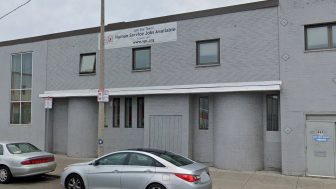
Casa Esperanza Latinas y Ninos Center
 Sponsored
About Casa Esperanza Latinas y Ninos Center
Casa Esperanza Latinas y Niños Center is a residential substance use treatment program in Roxbury, Massachusetts, providing cooccurring enhanced care for adult women with substance use and mental health needs.
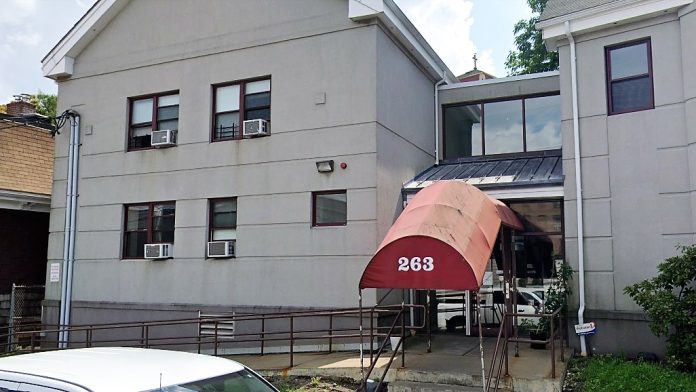
They're Located at 263 Eustis Street.
I appreciate how the program offers ASAM Level 3.1 residential treatment with specialized support for pregnant and postpartum mothers and mothers with children under age 10.
I like that Casa Esperanza's care is trauma informed and culturally responsive. It's also built around the needs of Latine women and families.
MAT and Aftercare Planning
Treatment begins with a medical and psychiatric evaluation, followed by individualized care planning within a structured ASAM Level 3.1 residential setting.
This program is designed for adult women facing substance use disorders and moderate to severe cooccurring mental illness.
Clients can expect individual and group therapy, medication stabilization and monitoring and access to medication assisted treatment.
Case management, aftercare planning, care navigation and connections to community resources support each woman's long term recovery and family stability.
Quick Facts About Casa Esperanza
- Location: Roxbury, Massachusetts, at 263 Eustis Street
- Levels of care: ASAM Level 3.1 residential treatment with cooccurring enhanced services
- Who they treat: Adult women, including pregnant and postpartum mothers and mothers with children under age 10
- Approach: Trauma informed, individualized, bilingual Spanish English care for Latine communities
- Payment options: All services are free of charge and no one is turned away for inability to pay
- Amenities: Family rooms for mothers and children, plus beds for single women
- Family support: Parenting education, visitation and reunification assistance
Getting Started
To begin treatment at Casa Esperanza Latinas y Niños Center in Roxbury, Massachusetts, a completed program referral form is required, with services available in Spanish and English.
The intake team can explain programs, eligibility and the referral process.
Reach out today to learn more about starting recovery and rebuilding family connections.
Amenities
Residential drug rehab provides the comforts of home with the therapeutic support needed to successfully recover. Benefits of an inpatient program include increased safety, a higher success rate, and the time and distance given to focus on recovery. Residential drug rehabs are often the preferred method of treatment, as they can be tailored to meet specific needs, offer focused therapeutic care, and provide the necessary tools to sustain recovery.
Addiction Treatment Programs
Each adult program in Massachusetts is designed to help individuals over the age of 18 recover from addiction to drugs or alcohol. The length of the program and its intensity varies, based on the needs of the individual.
Most alcohol rehab in Massachusetts consists of individual counseling and group therapy sessions, which address mental and emotional concerns that are contributing to alcohol use. Treatment helps participants make changes to maintain sobriety and prevent relapse.
Women who are seeking treatment for substance use disorders can receive various levels of care at women’s rehab in Massachusetts. Programs include detox, partial hospitalization programs (PHP), intensive outpatient programs (IOP), telehealth programs, sober living, outpatient, and aftercare.
Addiction is a highly complex problem, and drug rehab in Massachusetts is often necessary to address it. These programs treat physical, mental, and relational issues that are involved. Treatment empowers individuals to manage these issues without the use of drugs.
Administrative Services are ancillary services provided by multidisciplinary teams of professionals, including clinicians, social workers, therapists, and case managers. These services ensure clients receive seamless, comprehensive care across all stages of recovery. Programs may include transportation assistance, intervention planning, insurance verification, supportive housing and employment, and discharge planning and support.
Levels of Care
Massachusetts outpatient rehab does not have a defined timeline. The program is tailored to meet your recovery needs, and may last 90 days or a year or more. During this time, you will attend therapy sessions and support group meetings, for ongoing accountability and development of sober-living skills.
If you meet the diagnostic criteria for two or more conditions, you have a dual diagnosis. Massachusetts dual diagnosis treatment is designed to address both conditions simultaneously, for improved recovery outcomes.
Aftercare rehab in Massachusetts gives you continued access to support after rehab. You may need assistance with job coaching, budgeting, education, or accountability as you re-enter your life. Aftercare programs provide these supports, so you can face challenges and maintain a sober lifestyle long-term.
As the most intensive treatment setting, inpatient drug rehab in Massachusetts treatment involves 24/7 supervised care. At this level of care, you typically participate in individual, group, and family therapy sessions, and you may receive medication and additional recreational therapies.
The first step to a drug-free future is detox. This involves slowly and safely ridding your body of all addictive substances, under 24/7 supervision. This is typically the initial phase of drug rehab in Massachusetts.
Accreditations
Contact Information


 Sponsored
Amy Greene’s first novel Bloodroot was a New York Times and National Bestseller and a New York Times Editor’s Choice pick. Her second novel Long Man was a Washington Post Top Book of the Year. She lives in the Smoky Mountains of East Tennessee with her husband and two children.
Rehabs.org regularly reviews this listing for accuracy but changes may occur between updates. For the most up-to-date information, please contact Casa Esperanza Latinas y Ninos Center.