
Latino Commission Casa Aviva Womens Recovery Home
1724 Bryant Street
San Francisco, CA 94110
 Sponsored

About Latino Commission Casa Aviva Womens Recovery Home
Latino Commission Casa Aviva Women’s Recovery Home is a substance use disorder and co-occurring mental health treatment center for adult women and is located in San Francisco, California. This center accepts Medi-Cal and offers a sliding payscale for those who pay out of their pockets. They’re licensed and certified by the California Department of Health Care Services and the Division of Substance Use Disorder Compliance Licensing and Certification Branch.
People Served and the Home
This facility serves mainly Latino and Spanish-speaking women, focusing on mothers and those who want to reunify their family. I found it interesting that this program is tailored to meet the cultural needs and unique adversities and strengths of the Latino people.
The home provides a safe, private, and comfortable living space for women who are in early recovery. You have access to shared living spaces, such as the kitchen and meeting rooms for group activities.
Treatment Programs
They approach your recovery holistically, to help heal your body, mind, and soul.
While here, you will work through a four phase program that takes 60-90 days to complete. I think the phases are realistic steps to help you gain your sobriety. The first phase, Genesis, lasts 30 days, and focuses on recovery and building relationships within the house. You restore key values and elements of your culture, with no outside contact during these first 30 days.
The 2nd phase, EN-LAK-ECH, or Working as One, can last 30-60 days, and focuses on examining your own feelings, addictive behavior, thinking and your goals. Also during this phase, clients tackle life skills, group and individual counseling, presentations and written assignments.
During Phase 3, Floreciendo, or Blooming Transitioning, which lasts 60-90 days, participants work on family reunification, independence and community reintegration, and strategies for maintaining your sobriety once you’re back out living your best life.
Finally, the 4th phase is OLLIN, or Movement and Balance Integrity. During this phase, I love how you’ll graduate and can go to an aftercare outpatient program or transitional housing.
Amenities
Art and music are mediums that connect with our feelings, making them a great recovery tool during addiction treatment. Studies show that combining art/music and drug rehab can have a greater therapeutic impact than drug rehab alone, as you’re able to access parts of your brain and body that you may not have access to during traditional talk therapy. Benefits of art/music therapy include lowering stress and anxiety, promoting healthy neurochemicals, and providing stress relief.
Hiking is a great way to relieve stress, get perspective, navigate challenges, connect with nature, and improve your health - all essential components of sustaining long-term recovery. Studies also show that the body releases endorphins during physical activities like hiking. These endorphins improve mood and act as a natural pain reliever.
Private drug rehab provides a comfortable, secure environment that allows you to focus on doing the work to get your life back on track. Benefits include a higher staff-to-client ratio, increased one-on-one time with therapists and healthcare providers, private rooms for clients, and customized forms of therapy.
Residential drug rehab provides the comforts of home with the therapeutic support needed to successfully recover. Benefits of an inpatient program include increased safety, a higher success rate, and the time and distance given to focus on recovery. Residential drug rehabs are often the preferred method of treatment, as they can be tailored to meet specific needs, offer focused therapeutic care, and provide the necessary tools to sustain recovery.
Addiction Treatment Programs
Typically, a young adult program in California can guide individuals from detox, through initial treatment, and extends to aftercare. Treatment gives young adults what they need to reset their lives and move to the next stage of life free from addiction.
An adult program in California uses various therapeutic methods to treat a person who is dependent on an addictive substance. Individuals aged 18 and older are eligible for treatment, which focuses on breaking the cycle of addiction and learning how to maintain sober living.
Women’s rehab in California provides a safe environment where women can work through addiction challenges surrounded by their gender peers. This often creates an environment that is more conducive to recovery.
Gender-specific addiction treatment programs may be more effective in treating men because they focus on unique needs of males. Men’s rehab in California is designed to help men process emotions and cope with stress in a judgment-free environment.
The incidence of substance abuse and addiction is higher among the LBGTQ community. That’s why LBGTQ-friendly rehab in California is available, to offer specialized treatment that addresses the unique needs of individuals in this demographic.
Seniors face unique challenges that may contribute to substance use disorder and co-occurring disorders. Elderly rehab in California is designed to address these challenges to provide relevant and safe treatment for seniors.
Drug rehab in California teaches participants constructive ways to stay clean and sober. Treatment revolves around helping individuals stop using the substance they are addicted to and learn healthy habits to avoid relapse.
Levels of Care
When you choose outpatient rehab in California, you will meet with a counselor and attend support group meetings. The focus will be on restructuring attitudes and thoughts to reduce cravings and develop skills to prevent relapse. The length of time in outpatient rehab varies by individual, based on their recovery needs.
Unlike outpatient drug rehab, clients receiving inpatient rehab in California reside at the facility for the duration of the program. The length of stay may range from two weeks to 18 months or more, depending on the client's needs and the program’s design.
Community support and relationship-building are key elements of aftercare rehab in California. You’ll receive recovery coaching, social support, and mentors to help you maintain sobriety after completing initial rehab treatment. This support will continue as long as you need it, which could be weeks or more than a year.
When you have a co-occurring disorder, it is essential to treat both your addiction and the mental health disorder. California dual diagnosis treatment provides this type of multidisciplinary approach, for improved recovery outcomes.
Accreditations
Contact Information


 Sponsored
Nearby Treatment Centers

1735 Mission Street
San Francisco, CA 94103
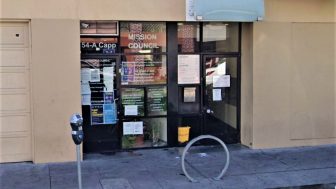
154-A Capp St
Suite A
San Francisco, CA 94110

1735 Mission Street
San Francisco, CA 94103

1275 Harrison Street
San Francisco, CA 94103
