
Carolina House Eating Disorder Treatment Center
 Sponsored
About Carolina House Eating Disorder Treatment Center
If you’re seeking inclusive, compassionate dual diagnosis care, Carolina House Homestead in Durham, North Carolina, might be an ideal place for you. This treatment center specializes in caring for people with eating disorders and other mental and behavioral health concerns. They’re part of the Acadia health system, which also provides a complete compendium of alcohol and drug rehab services.
Carolina House Homestead is open to all people 17 and older with a primary eating disorder diagnosis and all adults 18 and older who’re primarily struggling with another mental illness. This CARF accredited facility offers residential, partial hospitalization (PHP) and intensive outpatient (IOP) programs.
Individualized Treatment for the Whole Person
At Carolina House, you can expect to receive personalized treatment from a compassionate, empathetic team that genuinely cares about you. They know how eating disorders and other mental illnesses can rob you of your sense of joy, hope, and self worth while wreaking havoc on your life and relationships. As such, they don’t solely help you overcome your primary diagnosis, but the various related challenges you’re experiencing like PTSD and trauma that can fuel substance use disorders.
Their treatment approach emphasizes self exploration, supporting clients in a journey toward healing, self love, and a happier, healthier future. I think that’s wonderful, since mental illnesses like eating disorders and substance use are so multifaceted and multifactorial, and learning to nurture yourself is a crucial part of recovery.
I also love that this facility’s treatment is highly collaborative, so they’ll work with you to develop a plan to ensure you get the most out of your time there.
A Serene, Home Like Environment
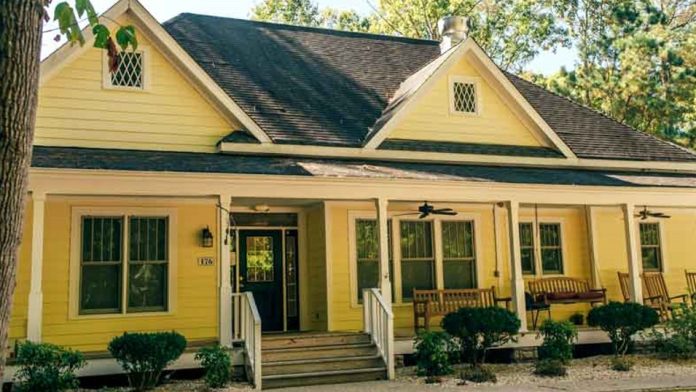
Another distinguishing feature of this location is that it is on 10 acres of land surrounded by 12 wooded acres, providing a serene, natural environment conducive to self-reflection and healing. There’s even a tree house where clients can do yoga and a garden for therapeutic activities.
Plus, I love that the house itself is spacious, beautiful, and comfortable. You’ll feel right at home here so you can put the stress of daily life aside and focus on getting better.
Amenities
Art and music are mediums that connect with our feelings, making them a great recovery tool during addiction treatment. Studies show that combining art/music and drug rehab can have a greater therapeutic impact than drug rehab alone, as you’re able to access parts of your brain and body that you may not have access to during traditional talk therapy. Benefits of art/music therapy include lowering stress and anxiety, promoting healthy neurochemicals, and providing stress relief.
Private drug rehab provides a comfortable, secure environment that allows you to focus on doing the work to get your life back on track. Benefits include a higher staff-to-client ratio, increased one-on-one time with therapists and healthcare providers, private rooms for clients, and customized forms of therapy.
Recreational therapy uniquely combines therapeutic interventions with an activity, like horse-riding, hiking, wilderness therapy, basketball, tennis, or a full workout. Benefits of recreational therapy include providing a healthy way to work through the emotions of recovery, learning to build and maintain relationships, improving communication skills, and building self-esteem.
Residential drug rehab provides the comforts of home with the therapeutic support needed to successfully recover. Benefits of an inpatient program include increased safety, a higher success rate, and the time and distance given to focus on recovery. Residential drug rehabs are often the preferred method of treatment, as they can be tailored to meet specific needs, offer focused therapeutic care, and provide the necessary tools to sustain recovery.
Wilderness rehab programs offer all the benefits of a traditional drug rehab, but with the added benefits of outdoor adventure. Venture out into the forest to learn new skills, explore the beauty of nature, and relieve stress. Engaging in wilderness activities is a great way to gain self-discovery and release negative emotions.
Treatment centers with a yoga studio offer a special form of holistic therapy during the recovery process. Yoga boosts mindfulness, a sense of calm, and healthy reflection during drug rehab via breathing exercises, stretching, and a progression of specific postures.
Addiction Treatment Programs
An adult program in North Carolina typically combines individual and group counseling, medical treatment, and various other therapies to treat substance use disorders. Treatment can take place in an inpatient or outpatient setting.
Many therapists use cognitive behavioral therapy in North Carolina to treat substance use disorders. This goal-oriented method addresses maladaptive thinking and related beliefs that affect behaviors and can lead to addiction.
Fitness therapy is an evidence-based complementary approach to addiction recovery and mental health care. Based on mounting scientific evidence of the benefits of physical activity in improving mood, enhancing clients’ sense of wellbeing, and decreasing depression and anxiety, fitness therapy encompasses a wide spectrum of intensities, from gentle yoga, qigong, and tai chi to weight training, kickboxing, and other highly physical activities.
Women’s rehab in North Carolina allows women to receive gender-specific treatment tailored to their needs. Programs are available for alcohol, heroin, prescription drugs, benzos, and any other addictive substances, as well as co-occurring disorders.
Women’s rehab in North Carolina allows women to receive gender-specific treatment tailored to their needs. Programs are available for alcohol, heroin, prescription drugs, benzos, and any other addictive substances, as well as co-occurring disorders.
When individuals participate in a young adult program in North Carolina, they feel more at ease in a setting that is age-appropriate. Activities, therapies, and aesthetics are all tailored for this age group, so participants can feel comfortable and are more likely to complete the program.
Levels of Care
When you choose inpatient drug rehab in North Carolina, you’ll live at a rehab facility for 28 to 90 days, depending on the program. Typical methods of treatment include group and individual therapy and family counseling.
Partial hospitalization programs (PHPs) in North Carolina give you structured treatment during the day but allow you to return home at night. PHPs can include elements like group therapy, individual counseling, and medication management.
Accreditations
Accepted Insurance







Contact Information


 Sponsored
Rehabs.org regularly reviews this listing for accuracy but changes may occur between updates. For the most up-to-date information, please contact Carolina House Eating Disorder Treatment Center.
Nearby Treatment Centers
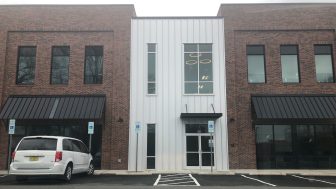
410 N Greensboro St
Suite 220
Carrboro, NC 27510

1800 Martin Luther King Jr Parkway
# 102
Durham, NC 27707
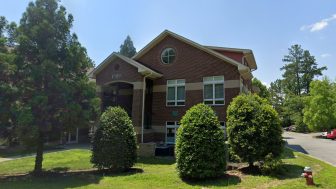
1709 Legion Rd
suite 200
Chapel Hill, NC 27517
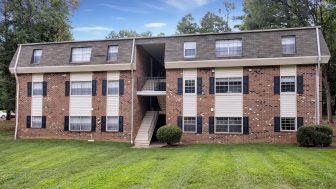
1105 West North Carolina Highway 54 Bypass
Chapel Hill, NC 27516
