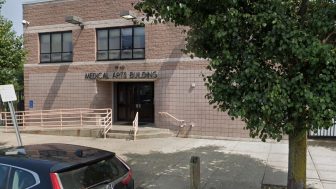
Bayonne Medical Center
29 E 29th St
Bayonne, NJ 07002
 Sponsored
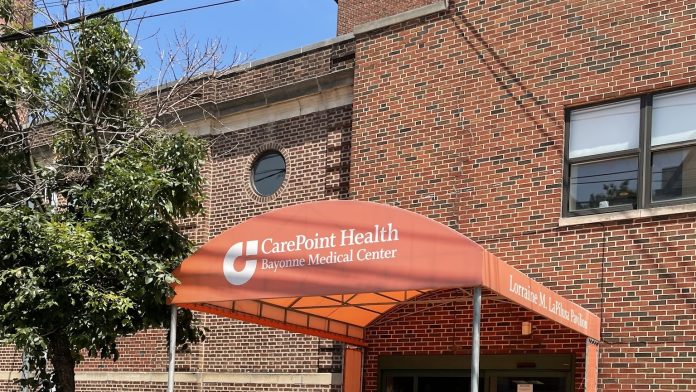
About Bayonne Medical Center
Most people in Bayonne, New Jersey, think of the CarePointe Health Bayonne Medical Center as a typical hospital with a wide variety of departments and specialties. But one of those specialties is their behavioral health unit. The behavioral health department here treats addiction as well as mental health conditions in adults and children and teens.
Their behavioral health care actually has inpatient as well as outpatient treatment. If you need treatment for your addiction recovery, they can work with you to figure out the level of care you need and create a treatment plan that’s specific to you.
There are a few special programs here that I found especially interesting. For one, they have specialized women focused services which can account for the unique ways women may experience addiction and mental illness and it provides treatment that’s suited to women’s needs. The other unique program is the psychiatric emergency service. If you’re in a crisis, they’ll be able to help you sort out what you need and get through this difficult time in your journey.
It’s worth nothing though that client experiences here are very mixed. There’s some feedback about medical staff in the behavioral health unit that go above and beyond and are fantastic at their jobs. But there are other reviews that are less appealing, so your experience will probably depend on your treatment team.
Amenities
Private drug rehab provides a comfortable, secure environment that allows you to focus on doing the work to get your life back on track. Benefits include a higher staff-to-client ratio, increased one-on-one time with therapists and healthcare providers, private rooms for clients, and customized forms of therapy.
Residential drug rehab provides the comforts of home with the therapeutic support needed to successfully recover. Benefits of an inpatient program include increased safety, a higher success rate, and the time and distance given to focus on recovery. Residential drug rehabs are often the preferred method of treatment, as they can be tailored to meet specific needs, offer focused therapeutic care, and provide the necessary tools to sustain recovery.
Art and music are mediums that connect with our feelings, making them a great recovery tool during addiction treatment. Studies show that combining art/music and drug rehab can have a greater therapeutic impact than drug rehab alone, as you’re able to access parts of your brain and body that you may not have access to during traditional talk therapy. Benefits of art/music therapy include lowering stress and anxiety, promoting healthy neurochemicals, and providing stress relief.
Treatment centers with a yoga studio offer a special form of holistic therapy during the recovery process. Yoga boosts mindfulness, a sense of calm, and healthy reflection during drug rehab via breathing exercises, stretching, and a progression of specific postures.
In order to maintain a sense of autonomy, many private rehab facilities offer clients the ability to choose their own private rooms. The privacy and personal space ensure that the recovery process is as comfortable as possible.
Addiction Treatment Programs
There are many benefits to a young adult program in New Jersey. These programs offer a more comfortable environment that helps young adults feel more at home. The peer support provided also helps participants develop healthy relationships for mutual support.
An adult program in New Jersey can take place in different settings. Individuals seeking treatment for addiction can choose from inpatient, outpatient, and sober living homes, which provide treatment at different levels of intensity.
Gender-specific rehab programs offer a solution to the ways that addiction can affect men and women differently. Men’s rehab in New Jersey focuses on treatments that are most beneficial for men.
Women’s rehab in New Jersey is ideal for women who are uncomfortable in a co-ed treatment environment. Women’s rehab provides a safe and caring setting where they can focus on their treatment and connect with other women who understand.
During cognitive behavioral therapy in New Jersey, participants develop and learn to implement healthy coping skills. The focus of this psychotherapy method is to change negative thought patterns to positively affect behaviors.
Through the use of rational emotive behavioral therapy in New Jersey, addiction counselors can help individuals improve their emotional wellness, strengthen their relationships with others, and reduce the severity and frequency of negative emotions. These benefits help decrease substance use and encourage recovery.
Levels of Care
New Jersey aftercare rehab services help those in recovery adapt to their new, sober lives. This begins after initial rehab treatment ends and can last for up to a year or more. Typical services include support groups, counseling, life coaching, and financial guidance.
When you check into New Jersey Drug Rehab, your first step toward recovery will be detox. This supervised period, which may last up to a week, purges all toxic substances from your body.
If you have a co-occurring mental health disorder and substance abuse disorder, both must be treated in order for you to recover. Dual diagnosis treatment in New Jersey specializes in this approach. Specialists in both fields will provide the tools and resources you need for recovery.
Inpatient drug rehab in New Jersey offers the most intensive treatment setting, with 24/7 medical care available. While living at the rehab facility, you’ll participate in various treatments, typically including extensive psychotherapies that draw on modalities like cognitive behavioral therapy (CBT) and motivational interviewing.
Intervention services are valuable tools that encourage a person to accept professional treatment from a drug rehab in New Jersey. These services provide support to family members as they plan and stage interventions, choose an effective treatment plans, and navigate the admission process.
New Jersey outpatient therapy offers a next-step after inpatient treatment. This flexible program is tailored to meet each person’s recovery needs as they step back into life. It includes regular sessions with a counselor and support group, for accountability and continued relapse prevention.
Accreditations
Accepted Insurance




Contact Information


 Sponsored