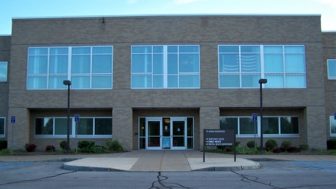
Canandaigua Behavioral Health Clinic
 Sponsored
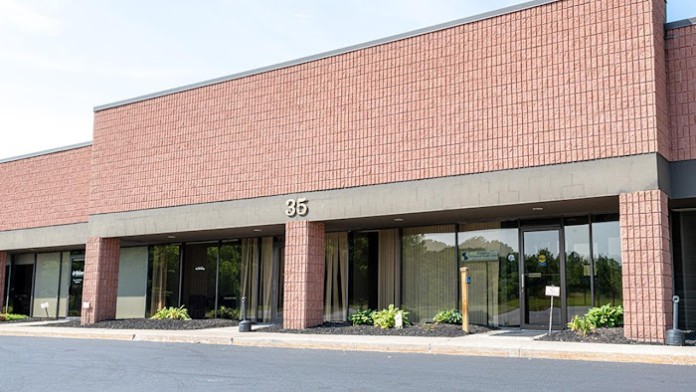
About Canandaigua Behavioral Health Clinic
Canandaigua Behavioral Health Clinic is an outpatient behavioral health and substance use treatment program in Canandaigua, New York operating as part of the Rochester Regional Health network.
The program emphasizes meeting each patient where they are using a multidisciplinary team to build customized treatment plans focused on long term wellness.
Multidisciplinary Treatment With Dual Diagnosis Support
Care typically begins with a clinical assessment where I found a multidisciplinary team designs a plan that may include outpatient counseling, medication assisted treatment, and mental health services.
The clinic supports patients stepping down from higher levels of care as well as those entering treatment for the first time.
Clients can expect counseling along with evidence based approaches such as Cognitive Behavioral Therapy and medication management.
I noted that dual diagnosis support is available for those managing co-occurring conditions like depression alongside substance use.
Quick Facts About Canandaigua Behavioral Health Clinic
- Levels of care: Outpatient treatment, MAT, dual diagnosis care, and aftercare support.
- Who they treat: Adults seeking substance use and mental health treatment, including LGBTQ friendly and veteran inclusive services.
- Approach: Customized, multidisciplinary care using CBT and medication management.
- Insurance: Participates with many plans including Aetna, Cigna, Excellus BCBS, Medicare, NY Medicaid, MVP, TriCare, United Healthcare, and VA coverage.
- Extras: Extended weekday hours and financial assistance resources through Rochester Regional Health.
Amenities

Gym
When paired with cognitive-behavioral therapy, exercise can be an effective tool for overcoming addiction. Dru...g rehabs with a gym offer clients healthy ways to increase energy levels, balance the body’s stress hormone levels, and aid in the brain’s healing process.
Private Rehab
Private drug rehab provides a comfortable, secure environment that allows you to focus on doing the work to ge...t your life back on track. Benefits include a higher staff-to-client ratio, increased one-on-one time with therapists and healthcare providers, private rooms for clients, and customized forms of therapy.
Private Transportation
Transportation services are designed to ensure your addiction treatment begins and ends successfully by offeri...ng free transportation to the rehab facility, to and from your appointments during rehab, and back home upon program completion.
Rec Room & Activities
Recreational therapy uniquely combines therapeutic interventions with an activity, like horse-riding, hiking, ...wilderness therapy, basketball, tennis, or a full workout. Benefits of recreational therapy include providing a healthy way to work through the emotions of recovery, learning to build and maintain relationships, improving communication skills, and building self-esteem.Addiction Treatment Programs
Adult Program
A quality adult program in New York provides a combination of medical, mental, and emotional support to treat the whole individual. Various methods are used to help adults achieve and maintain sobriety.Alcoholism
To address the full range of issues involved in alcohol use disorder, an alcohol rehab in New York often incorporates a variety of treatment methods. Physical activity, nutrition, psychotherapy, and support groups are common aspects of treatment.Opioid Treatment
There are many options available for opioid rehab in New York. Treatment programs include detox, inpatient rehab, outpatient rehab, or intensive outpatient programs (IOPs). Consider the severity of your addiction, how long you’ve been addicted, and personal history to determine which type of program is best for you.Cognitive Behavioral Therapy (CBT)
Cognitive behavioral therapy in New York emphasizes how thoughts affect mood. It is a goal-oriented method that teaches participants how to address dysfunctional thoughts and underlying beliefs that can lead to substance abuse and addiction.Drug Rehab
When you choose drug rehab in New York, you’ll participate in a variety of treatments that are designed to help you live a drug-free lifestyle. Common methods of treatment include group, individual, and family counseling, medication management, nutrition, exercise, and management of co-occurring mental health disorders.LGBTQ Friendly Rehab
Men and women face different issues when it comes to addiction and recovery. Women’s rehab in New York offers treatment approaches that address life issues that are specific to women.Rehab For Veterans
Veteran’s rehab in New York helps Veterans quit using alcohol and drugs and reduce the risk of relapse with specialized treatment. Specialists help Veterans adjust to life outside the military, address previous trauma, and live a sober lifestyle.Levels of Care
Detox & MAT
The first step toward a drug-free future is detox in New York. This is the process of slowly and safely riddin...g your body of all addictive substances, while under 24/7 supervision by professionals.Outpatient Rehab
For those who require accountability but less intensive oversight, outpatient rehab in New York is a good opti...on. During this treatment, you meet regularly with a counselor and attend support group meetings, for accountability and encouragement. This may last for a few weeks or months, based on your recovery journey.Dual Diagnosis & Mental Health
Mental health disorders that co-occur with substance abuse disorders often cause relapse. For successful recov...ery, both disorders must be treated, with dual diagnosis treatment in New York. Common methods include cognitive-behavioral therapy, medication management, and counseling.Aftercare & Alumni Program
Once rehab is complete, aftercare rehab in New York steps in to prevent relapse. This program gives you access... to resources that reduce stress and help you successfully navigate challenges. Studies show that people who take advantage of these resources are more likely to maintain long-term recovery.Accreditations

Joint Commission

CARF

SAMHSA
State License
Insurance
 Financial Aid
If you require assistance with paying for alcohol and drug rehab in New York, you may be eligible for financia...l aid. Financial assistance options include grants, scholarships, non-profit programs, personal funding, and health insurance programs to help you manage the expense of substance abuse treatment.
 Medicaid Accepted
You may be eligible for Medicaid coverage to help pay for alcohol and drug rehab in New York. Medicaid coverag...e may vary, but it may cover the cost of detox, inpatient rehab, and other levels of care.
 Medicare Accepted
If you have Medicaid, you may have coverage options available to assist with the cost of alcohol and drug reha...b in New York. The amount of coverage will depend on many things, including whether you are seeking inpatient or outpatient treatment for substance abuse.
 TRICARE
Administered by the Department of Defense, TRICARE offers comprehensive military health insurance plans for ac...tive and retired military members and their families. Similar to PPO programs offered by private insurance companies, TRICARE covers multiple levels of care for addiction treatment, including detox, inpatient rehab, and outpatient services.
 Private Insurance
If you have private insurance, you may be able to use it to help pay for alcohol and drug rehab in New York. T...he amount covered will depend on your policy and whether the treatment center is in-network or out-of-network. You may be left with some costs like a co-payment, or co-insurance. Check with your insurer for more information.
 Self-Pay Options
You have the option to pay for alcohol and drug rehab treatment out-of-pocket in New York, known as self-pay o...r private pay. This gives you control over the cost of your recovery journey and access to all levels of care, including detox, inpatient rehab, and more.
 Sliding Scale Payment
If you need help covering the cost of alcohol or drug rehab in New York but cannot pay the full amount, a slid...ing scale payment plan may be an option for you. This allows you to access all levels of care, including detox, inpatient rehab, and more. To qualify for this treatment discount, you must complete an application and provide supporting financial documentation.Contact Canandaigua Behavioral Health Clinic


 Sponsored
Kimberly Hawkins holds a master’s degree in computing and information sciences from East Tennessee State University. She is a content writer specializing in alcoholism, drug addiction, and co-occurring disorders. Kimberly has been passionate about the subject of addiction since her only sibling passed away due to an accidental overdose. Her other interests include playing the piano, being in tranquil natural environments, and spending time with her adult children.
Rehabs.org regularly reviews this listing for accuracy but changes may occur between updates. For the most up-to-date information, please contact Canandaigua Behavioral Health Clinic.