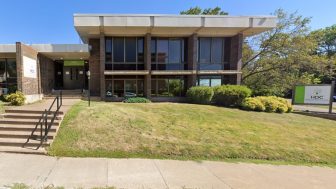
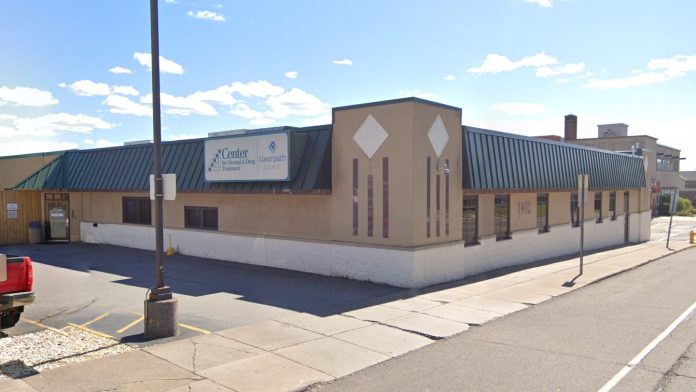
Center For Alcohol & Drug Treatment
1402 East Superior Street
Duluth, MN 55805
 Sponsored
About Center For Alcohol & Drug Treatment
The Addiction Medicine Clinic is part of the Center for Alcohol and Drug Treatment. The clinic is located in Duluth, Minnesota. They’re accredited by CARF.
Adults who sign up at the first Clearpath clinic in Minnesota are able to receive a recovery oriented system of care. You’ll be provided with treatment that is psychosocial person centered. If deemed appropriate after a comprehensive assessment, you may be able to receive substance use disorder medications as an option for opioid use disorder.
What stood out to me is that they specialize in helping pregnant women. If you’re pregnant, you will be able to address any opioid, alcohol and other substance use disorders.
I like that the services they offer are integrated. The services include pharmacotherapies combined with patient education, care coordination, relapse prevention and motivational enhancement. You may also receive additional services such as counseling, as well as detox and withdrawal management.
Their detox and withdrawal management program is a unit with 40 beds. If you’re struggling with withdrawal and/or intoxication, they will be able to provide help. I like that both non clinical and clinical staff will meet you where you are at in your treatment.
Onsite, 24 hours a day, there will be either a practical nurse or registered nurse available. The nurse will be the one to initiate your health assessment. The medical staff will also conduct a physical assessment. The assessments are done to determine the best level of care for you.
The staff will monitor your medication administration. They will also be monitoring your emotional, physical and behavioral status. I do like that you will have the option for peer recovery support. With this type of support available, you’ll be able to gain a community of sober support.
Amenities
Private drug rehab provides a comfortable, secure environment that allows you to focus on doing the work to get your life back on track. Benefits include a higher staff-to-client ratio, increased one-on-one time with therapists and healthcare providers, private rooms for clients, and customized forms of therapy.
Residential drug rehab provides the comforts of home with the therapeutic support needed to successfully recover. Benefits of an inpatient program include increased safety, a higher success rate, and the time and distance given to focus on recovery. Residential drug rehabs are often the preferred method of treatment, as they can be tailored to meet specific needs, offer focused therapeutic care, and provide the necessary tools to sustain recovery.
Recreational therapy uniquely combines therapeutic interventions with an activity, like horse-riding, hiking, wilderness therapy, basketball, tennis, or a full workout. Benefits of recreational therapy include providing a healthy way to work through the emotions of recovery, learning to build and maintain relationships, improving communication skills, and building self-esteem.
In order to maintain a sense of autonomy, many private rehab facilities offer clients the ability to choose their own private rooms. The privacy and personal space ensure that the recovery process is as comfortable as possible.
Wilderness rehab programs offer all the benefits of a traditional drug rehab, but with the added benefits of outdoor adventure. Venture out into the forest to learn new skills, explore the beauty of nature, and relieve stress. Engaging in wilderness activities is a great way to gain self-discovery and release negative emotions.
When used as part of an evidence-based treatment plan, basketball can boost physical and mental health, lead to sharper thinking, and facilitate improved self-esteem. Drug rehabs with a basketball court also place a focus on teamwork and cooperation.
Addiction Treatment Programs
Recovery is not the same for young adults as it is for older individuals. A young adult program in Minnesota treats the patient as a whole, addressing unique life-stage challenges, dual diagnosis issues, and substance abuse.
When an individual struggles with drug and alcohol use, an adult program in Minnesota can provide treatment and mental health support. Designed for men and women over the age of 18, these programs help individuals obtain and maintain sobriety.
The goal of alcohol rehab in Minnesota is to help you make mental and behavioral changes that lead to recovery and long-term sobriety. Most methods rely on a combination of group and individual counseling to accomplish these goals.
Individuals who attend men’s rehab in Minnesota can expect to spend much of their days in therapy sessions. Therapy is focused on men only, and teaches men how to control urges and cravings and live a healthy, sober lifestyle.
During women’s rehab in Minnesota, women participate in evidence-based therapies to treat their substance use disorders. Therapy methods include individual, group, family, cognitive-behavioral, and dialectical behavior therapy.
After evaluating your needs and budget, staff at opioid rehab in Minnesota will help you determine the length of your treatment and its intensity level, to properly address your degree of opioid dependence. Most programs include detox, addiction therapy, specialized care, and aftercare support.
Cognitive behavioral therapy in Minnesota is based on rapid, action-focused treatment. This works well for 60 to 90-day rehab programs by providing participants with immediate and effective coping techniques.
Drug rehab in Minnesota often starts with assessment. Once needs are determined, the individual typically begins treatment with detox, then enters rehab, and finally receives aftercare once the program is complete. This continuum of care offers appropriate levels of support at each stage to help the individual achieve long-term recovery.
During women’s rehab in Minnesota, women participate in evidence-based therapies to treat their substance use disorders. Therapy methods include individual, group, family, cognitive-behavioral, and dialectical behavior therapy.
During Veteran’s rehab in Minnesota, you’ll receive specialized therapies designed to support Veterans. Therapies may include daily group and individual counseling, 12-step programs, family counseling, and therapy to address PTDS and military sexual trauma.
Rational emotive behavioral therapy in Minnesota assumes that negative experiences tend to lead to irrational thoughts. These thoughts then lead to dysfunction that contributes to substance abuse. This treatment method attempts to correct irrational thoughts to encourage recovery from addiction.
Assertive Community Treatment (ACT) is an integrative, community-based care strategy designed to address the needs of persons with severe and/or complex mental illness or behavioral disorders. ACT is typically provided by a multidisciplinary team of medical and mental health care providers, social workers, therapists, and other specialists, including addiction recovery professionals. These services are frequently provided in the home and community to clients in crisis, those who are clinically unstable, and those who are unable or unwilling to travel to a hospital or clinic for in-person treatment.
Levels of Care
Outpatient rehab in Minnesota provides a less restrictive environment than inpatient. You’ll live at home while attending just a few hours of counseling sessions per week and receive ongoing support through a program such as AA or NA. This will continue for as long as you need this level of accountability.
Left untreated, mental disorders complicate substance abuse disorders and make addiction treatment ineffective. Dual diagnosis treatment in Minnesota addresses both, making it ideal for those who have co-occurring disorders.
For months or years after achieving initial sobriety, aftercare rehab in Minnesota gives you access to resources that help you maintain sobriety after treatment. You can receive support through 12-step groups, ongoing counseling, and financial coaching.
If you choose inpatient drug rehab in Minnesota, often referred to as residential rehab, you’ll receive 24/7 care while living at the rehab facility. Typical treatment services include individual and group therapy, medication management, and relapse prevention education.
Detox in Minnesota involves 24/7 supervision by professionals who help you cleanse your body of all addictive substances. This process can take up to a week and may involve medication to ease withdrawal symptoms.
Sober living in Minnesota gives you the opportunity to apply the tools you acquired in rehab, in an independent but structured environment. You’ll reside with others in recovery, adhering to house rules such as curfew and a no-drug policy. As you work or go to school and contribute to household responsibilities, you’ll learn to live a drug-free life.
Intervention services can be a valuable tool for getting your loved one on the path to recovery. An intervention program can help you stage an intervention, develop a treatment plan, and navigate the admission process to drug rehab in Minnesota.
Accreditations
Accepted Insurance
Contact Information


 Sponsored