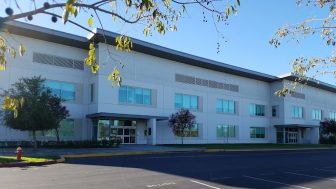
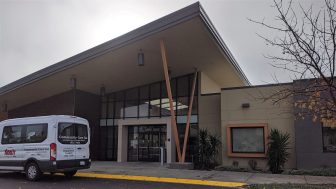
Cache Creek Lodge Inc
435 Aspen Street
Woodland, CA 95695
 Sponsored
About Cache Creek Lodge Inc
Cache Creek Lodge located in Woodland, California provides treatment for men ages eighteen or older who are struggling with substance use. This center serves individuals from the local community and surrounding areas, and provides care for early recovery. Community accountability at the center is a large part of the treatment program.
Cultivating a Community Environment
The recovery program typically lasts ninety days, and the core of the programs includes group therapy, individual counseling, and tools to help you gain skills and prevent relapse. You will live in dormitory style housing. Residents help with meal preparation and have a recreational space to relax and participate in group activities.
I think this helps cultivate a sense of community so that you’re connecting with other residents who are experiencing similar challenges, and gaining news perspectives about your own recovery process.
Once you’ve graduated from the program, you can also receive additional resources for further treatment or transitional living. The goal is to help you move into a long term recovery where staying sober feels possible and sustainable.
Supportive Staff Members
Former clients have given positive testimonials about the strong community, family like atmosphere, and supportive staff. Some have also commended the center for their effective transition into sober living.
One clinician wrote, “Our goal is to help our residents reintegrate into the community as responsible, sober individuals.” I think bringing in these perspectives can offer valuable insight into the responses from both clients and clinicians.
Amenities
Residential drug rehab provides the comforts of home with the therapeutic support needed to successfully recover. Benefits of an inpatient program include increased safety, a higher success rate, and the time and distance given to focus on recovery. Residential drug rehabs are often the preferred method of treatment, as they can be tailored to meet specific needs, offer focused therapeutic care, and provide the necessary tools to sustain recovery.
Recreational therapy uniquely combines therapeutic interventions with an activity, like horse-riding, hiking, wilderness therapy, basketball, tennis, or a full workout. Benefits of recreational therapy include providing a healthy way to work through the emotions of recovery, learning to build and maintain relationships, improving communication skills, and building self-esteem.
Yoga and meditation are great activities to support your recovery process during alcohol or drug rehab. These therapies have been around for centuries, and they are an effective way to improve well-being. Combining addiction treatment, yoga, and meditation can reduce cravings, improve sleep, relieve anxiety and depression, provide stress relief, promote relaxation, support emotional healing, and improve energy levels.
Taking time away from a demanding corporate job to attend drug rehab may seem impossible, but executive drug rehab programs combine cutting edge addiction treatment with executive amenities like Wi-Fi, access to computers, and conference calling so you can take care of your health and stay on top of business.
When paired with cognitive-behavioral therapy, exercise can be an effective tool for overcoming addiction. Drug rehabs with a gym offer clients healthy ways to increase energy levels, balance the body’s stress hormone levels, and aid in the brain’s healing process.
Addiction Treatment Programs
Typically, a young adult program in California can guide individuals from detox, through initial treatment, and extends to aftercare. Treatment gives young adults what they need to reset their lives and move to the next stage of life free from addiction.
An adult program in California uses various therapeutic methods to treat a person who is dependent on an addictive substance. Individuals aged 18 and older are eligible for treatment, which focuses on breaking the cycle of addiction and learning how to maintain sober living.
Alcohol rehab in California provides professional treatment to guide participants through each step of recovery. Programs offer a support system to walk you through challenges and celebrate victories with you, from detox to long-term sobriety.
Gender-specific addiction treatment programs may be more effective in treating men because they focus on unique needs of males. Men’s rehab in California is designed to help men process emotions and cope with stress in a judgment-free environment.
Women’s rehab in California provides a safe environment where women can work through addiction challenges surrounded by their gender peers. This often creates an environment that is more conducive to recovery.
For those who are struggling with opioid use disorder, help is available at opioid rehab in California. This complex addiction can be treated through a combination of evidence-based therapies and medication assisted treatment.
Drug rehab in California teaches participants constructive ways to stay clean and sober. Treatment revolves around helping individuals stop using the substance they are addicted to and learn healthy habits to avoid relapse.
The incidence of substance abuse and addiction is higher among the LBGTQ community. That’s why LBGTQ-friendly rehab in California is available, to offer specialized treatment that addresses the unique needs of individuals in this demographic.
Therapists often use rational emotive behavioral therapy in California to treat addiction. The ABC (activating event, beliefs, consequences) framework is used to help participants identify irrational beliefs and reframe their thinking in healthier ways.
Levels of Care
When you have a co-occurring disorder, it is essential to treat both your addiction and the mental health disorder. California dual diagnosis treatment provides this type of multidisciplinary approach, for improved recovery outcomes.
Community support and relationship-building are key elements of aftercare rehab in California. You’ll receive recovery coaching, social support, and mentors to help you maintain sobriety after completing initial rehab treatment. This support will continue as long as you need it, which could be weeks or more than a year.
Unlike outpatient drug rehab, clients receiving inpatient rehab in California reside at the facility for the duration of the program. The length of stay may range from two weeks to 18 months or more, depending on the client's needs and the program’s design.
California sober living has been shown to reduce relapse and improve recovery. These programs offer highly-structured living environments for those who desire to remain sober. House rules usually include abstinence from substances, participation in 12-step meetings, and contribution to household responsibilities.
Accreditations
Contact Information


 Sponsored