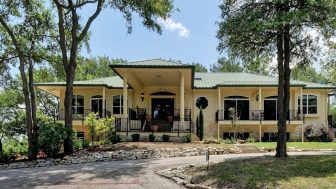
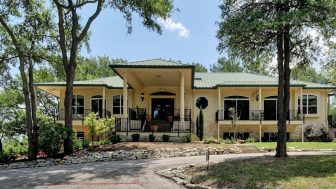
Renewal Lodge by Burning Tree
122 Fisher Street
Elgin, TX 78621
 Sponsored
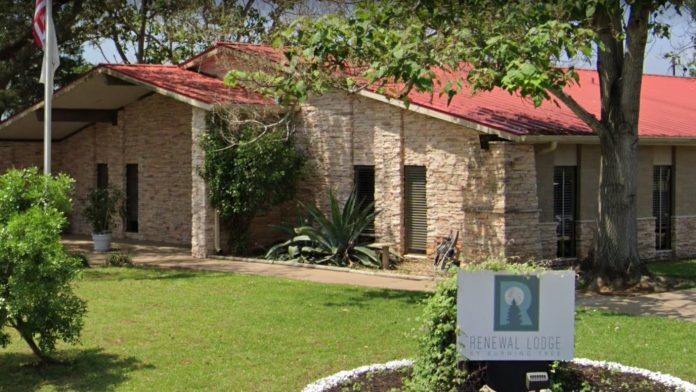
About Renewal Lodge by Burning Tree
Located in Elgin, Texas, Renewal Lodge by Burning Tree is a Joint Commission accredited dual diagnosis addiction treatment facility for adults. Providing multiple levels of care, services include drug and alcohol inpatient treatment, counseling, co-occurring disorders program, mental health treatment, outpatient addiction treatment, case management, and aftercare.
Located just outside of Austin, Renewal by Burning Tree is a private drug rehab offering a serene environment to recover. Their team of licensed clinicians provides customized treatment plans based on the patient’s individual needs and goals. Their evidence based treatments incorporate cognitive behavioral therapy, dialectical behavior therapy, and mindfulness. Interventions are delivered individually, in groups, through psychoeducation, wellness groups, and skill development groups. Amenities include comfortable and contemporary accommodations, outdoor recreation areas, a fire pit, gourmet meals, organized activities, games, meditation rooms, and onsite recovery meetings.
Accredited by the Joint Commission, National Association of Addiction Treatment Providers, and LegitScript, reflecting their high quality addiction care. Tricare, VA Community Care Network, Tribal Care Health, self pay, and commercial insurance plans are accepted.
Amenities
Private drug rehab provides a comfortable, secure environment that allows you to focus on doing the work to get your life back on track. Benefits include a higher staff-to-client ratio, increased one-on-one time with therapists and healthcare providers, private rooms for clients, and customized forms of therapy.
Residential drug rehab provides the comforts of home with the therapeutic support needed to successfully recover. Benefits of an inpatient program include increased safety, a higher success rate, and the time and distance given to focus on recovery. Residential drug rehabs are often the preferred method of treatment, as they can be tailored to meet specific needs, offer focused therapeutic care, and provide the necessary tools to sustain recovery.
Recreational therapy uniquely combines therapeutic interventions with an activity, like horse-riding, hiking, wilderness therapy, basketball, tennis, or a full workout. Benefits of recreational therapy include providing a healthy way to work through the emotions of recovery, learning to build and maintain relationships, improving communication skills, and building self-esteem.
Yoga and meditation are great activities to support your recovery process during alcohol or drug rehab. These therapies have been around for centuries, and they are an effective way to improve well-being. Combining addiction treatment, yoga, and meditation can reduce cravings, improve sleep, relieve anxiety and depression, provide stress relief, promote relaxation, support emotional healing, and improve energy levels.
Treatment centers with a yoga studio offer a special form of holistic therapy during the recovery process. Yoga boosts mindfulness, a sense of calm, and healthy reflection during drug rehab via breathing exercises, stretching, and a progression of specific postures.
Hiking is a great way to relieve stress, get perspective, navigate challenges, connect with nature, and improve your health - all essential components of sustaining long-term recovery. Studies also show that the body releases endorphins during physical activities like hiking. These endorphins improve mood and act as a natural pain reliever.
In order to maintain a sense of autonomy, many private rehab facilities offer clients the ability to choose their own private rooms. The privacy and personal space ensure that the recovery process is as comfortable as possible.
When paired with cognitive-behavioral therapy, exercise can be an effective tool for overcoming addiction. Drug rehabs with a gym offer clients healthy ways to increase energy levels, balance the body’s stress hormone levels, and aid in the brain’s healing process.
The massage room offers a wealth of benefits as part of an overall evidence-based drug and alcohol recovery program. Massage therapy boosts blood flow and flushes lactic acid from the muscles, and the vascular benefits last several days after the massage.
Wilderness rehab programs offer all the benefits of a traditional drug rehab, but with the added benefits of outdoor adventure. Venture out into the forest to learn new skills, explore the beauty of nature, and relieve stress. Engaging in wilderness activities is a great way to gain self-discovery and release negative emotions.
When used as part of an evidence-based treatment plan, basketball can boost physical and mental health, lead to sharper thinking, and facilitate improved self-esteem. Drug rehabs with a basketball court also place a focus on teamwork and cooperation.
Addiction Treatment Programs
The goal of a young adult program in Texas is to set young people free from the effects of addiction and give them the skills they need to successfully navigate early adulthood. This is accomplished with age-appropriate settings, therapies, and activities.
The Lone Star State offers a host of options for those in search of an adult program in Texas. From inpatient to outpatient care, adults can find a program that meets their needs for effective treatment of substance use issues.
When you enter alcohol rehab in Texas, you’ll find support systems to help you on your recovery journey. Professional counselors, physicians, and other people in recovery provide services and support to help you make changes and learn how to enjoy a sober lifestyle.
Men’s rehab in Texas can create an environment that makes men more comfortable. Many men in Texas seek out this type of treatment for its gender-specific benefits.
Many gender-specific issues must be addressed during addiction recovery. Women’s rehab in Texas provides the appropriate support for women’s challenges such as body image, motherhood, and trauma.
Through therapy, counseling, and medication assisted treatment, individuals in opioid rehab in Texas gain the skills they need to live a healthier life. The goal is to help you take control of your life and prevent relapse.
The goals of cognitive behavioral therapy in Texas include evaluating thoughts and changing thinking patterns that are leading to substance use. This treatment helps participants understand their motives and problem-solve to work through challenges without the use of substances.
While in a drug rehab in Texas, you’ll deal with underlying issues that contribute to addiction. By addressing these challenges and learning healthy ways to cope with them, you’ll develop strategies that help you live a drug-free lifestyle.
Elderly rehab in Texas provides treatment that is best-suited for the age, physical condition, and emotional condition of each participant. Staff are trained in geriatric issues and customize addiction treatment to address these concerns.
Many gender-specific issues must be addressed during addiction recovery. Women’s rehab in Texas provides the appropriate support for women’s challenges such as body image, motherhood, and trauma.
Many Veterans can benefit from Veteran’s rehab in Texas. These programs include drug and alcohol detox services, 12-step groups, psychotherapy, relapse prevention, and sober living homes.
Rational emotive behavioral therapy in Texas follows a model used to guide clients to change their behaviors and achieve recovery. The model involves identifying an activating event, beliefs about that event, and how those beliefs lead to consequences.
Fitness therapy is an evidence-based complementary approach to addiction recovery and mental health care. Based on mounting scientific evidence of the benefits of physical activity in improving mood, enhancing clients’ sense of wellbeing, and decreasing depression and anxiety, fitness therapy encompasses a wide spectrum of intensities, from gentle yoga, qigong, and tai chi to weight training, kickboxing, and other highly physical activities.
Levels of Care
A dual diagnosis treatment center in Texas provides programs for people who struggle with both substance abuse and mental illness. Treating both disorders through an integrated approach is essential for recovery.
The initial weeks and months after rehab treatment are often the most difficult. Aftercare rehab in Texas is designed to help you successfully navigate these challenging times and maintain sobriety. You’ll receive emotional, mental, and practical supports, for up to a year or more after treatment.
Inpatient drug rehab in Texas can last from a few weeks to mor than 90 days. During that time, you live at the facility and receive round-the-clock supervised care. Treatment typically includes individual and group therapy.
Detox in Texas is your first step toward a drug-free future. During this phase, your systems are cleansed of all addictive substances. You’ll receive 24/7 care, which may include medication to alleviate withdrawal symptoms.
Sober living in Texas offers a flexible timeline to meet your recovery needs. You can stay in the sober living home as long as you adhere to house rules. These typically include a curfew, random drug tests, and contribution to household bills and chores.
A valuable tool for drug rehab in Texas is intervention services. This treatment tool provides education and resources on how to stage an effective intervention as well as professional assistance with facilitating the intervention. Staff then follow up with support to develop an effective treatment plan.
Partial hospitalization programs (PHPs) in Texas can provide an effective alternative to inpatient care. These drug rehab programs offer many of the same treatments offered in residential care, but you don’t have to stay overnight.
Accreditations
Contact Information


 Sponsored