
BryLin Hospital
 Sponsored

About BryLin Hospital
For short-term inpatient crisis care, BryLin Hospital is an 84-bed psychiatric hospital in Buffalo. A treatment program here includes dual diagnosis care (a mental illness alongside a substance use disorder).
Does BryLin take Medicaid?
BryLin accepts managed Medicaid and Medicare for an inpatient stay. Straight Medicaid isn't accepted when a person is 21 to 64.
If you are in that age range, you can't plan the cost of the stay with straight Medicaid. A psychiatric registered nurse screens each admission and checks benefits.
Who can BryLin admit?
I found that BryLin admits children, adults, adolescents and older adults during a psychiatric crisis. The child and adolescent program takes ages 5 to 17 during an acute crisis.
Women's and men's programming stay separate in the adult program. Voluntary admission is accepted on all seven days, and the Buffalo hospital doesn't offer outpatient care or aftercare. During an inpatient stay, the workday isn't available.
I noted that for over 70 years, BryLin has offered behavioral health care in Western New York.
Amenities
Private drug rehab provides a comfortable, secure environment that allows you to focus on doing the work to get your life back on track. Benefits include a higher staff-to-client ratio, increased one-on-one time with therapists and healthcare providers, private rooms for clients, and customized forms of therapy.
Residential drug rehab provides the comforts of home with the therapeutic support needed to successfully recover. Benefits of an inpatient program include increased safety, a higher success rate, and the time and distance given to focus on recovery. Residential drug rehabs are often the preferred method of treatment, as they can be tailored to meet specific needs, offer focused therapeutic care, and provide the necessary tools to sustain recovery.
Recreational therapy uniquely combines therapeutic interventions with an activity, like horse-riding, hiking, wilderness therapy, basketball, tennis, or a full workout. Benefits of recreational therapy include providing a healthy way to work through the emotions of recovery, learning to build and maintain relationships, improving communication skills, and building self-esteem.
Yoga and meditation are great activities to support your recovery process during alcohol or drug rehab. These therapies have been around for centuries, and they are an effective way to improve well-being. Combining addiction treatment, yoga, and meditation can reduce cravings, improve sleep, relieve anxiety and depression, provide stress relief, promote relaxation, support emotional healing, and improve energy levels.
In order to maintain a sense of autonomy, many private rehab facilities offer clients the ability to choose their own private rooms. The privacy and personal space ensure that the recovery process is as comfortable as possible.
Addiction Treatment Programs
While at a young adult program in New York, young people can participate in activities and therapy sessions that cater to their age bracket. They can also form relationships with other young adults for mutual support.
The Adult Inpatient Mental Health Treatment Program treats adults in crisis, with separate women's and men's programming and dual diagnosis care for mental illness with chemical addiction.
Men's programming is offered with dual diagnosis treatment and options like yoga, massage and tai-chi.
Women's programming is offered with dual diagnosis care and options like drumming and pastoral care.
There are many options available for opioid rehab in New York. Treatment programs include detox, inpatient rehab, outpatient rehab, or intensive outpatient programs (IOPs). Consider the severity of your addiction, how long you’ve been addicted, and personal history to determine which type of program is best for you.
The hospital uses cognitive behavioral therapy, or CBT, so patients build practical tools for managing symptoms.
During elderly rehab in New York, you’ll participate in a variety of therapies, including individual, group, and family. Common methods include cognitive behavioral therapy, 12-step methods, and case management, all with a focus on age-specific needs.
Men and women face different issues when it comes to addiction and recovery. Women’s rehab in New York offers treatment approaches that address life issues that are specific to women.
Levels of Care
Dual diagnosis treatment, also called MICA, addresses mental illness together with chemical addiction in the same program.
Contact Information


 Sponsored
Patti Croft is a full-time writer who writes about accessing effective addiction treatment during the day but is also pursuing her dream of penning a novel in her spare time. She enjoys copious amounts of coffee as creative fuel and sharing an office with her adorable cat, Beau. Her background is in healthcare management, and she is a passionate advocate for mental health and addiction care.
Rehabs.org regularly reviews this listing for accuracy but changes may occur between updates. For the most up-to-date information, please contact BryLin Hospital.
Nearby Treatment Centers

1285 Main Street
Apt 2
Buffalo, NY 14209
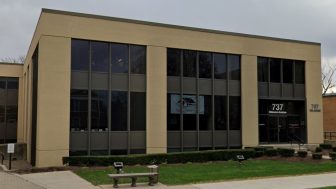
737 Delaware Avenue
Suite 101
Buffalo, NY 14209

400 Forest Avenue
Buffalo, NY 14213
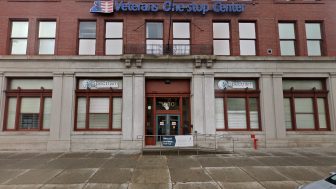
1280 Main Street
1st Floor
Buffalo, NY 14209
Popular New York Cities
More Cities View Other New York CitiesFAQs
What insurance is accepted for inpatient care at BryLin Hospital?
Most major insurance plans are accepted, including Managed Medicaid and Medicare. Note the restriction: straight Medicaid is not accepted for ages 21 to 64, so coverage depends on the kind of Medicaid plan a person carries.
Does the hospital treat addiction and mental illness together?
Yes. Dual diagnosis treatment, called MICA, addresses mental illness and chemical addiction together. The hospital also offers options like yoga, massage, tai-chi, drumming and pastoral care. That’s the hospital’s version of co-occurring disorders care.
When are voluntary admissions accepted at the hospital?
Voluntary admissions are accepted seven days a week at BryLin. Care happens in person, on site at this 84-bed inpatient psychiatric hospital in Buffalo, New York.
