
Bronx Psychiatric Center
 Sponsored
About Bronx Psychiatric Center
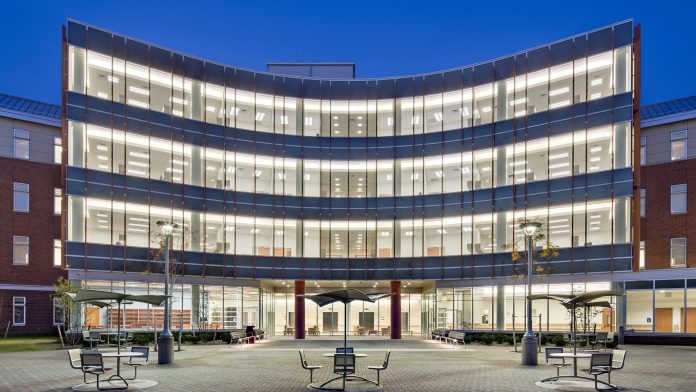
Ability to pay doesn't decide whether you get in at Bronx Psychiatric Center, and neither does documentation status. I noted that the center is a public treatment program in the Bronx for adults with severe mental illness.
Many of those adults also live with substance use. Children's services on the campus are a separate organization.
Public Care in the Bronx
The New York State Office of Mental Health runs Bronx Psychiatric Center, and patients come from community hospitals, other state mental health facilities and jail or prison. I appreciate that inpatient care is at the main campus, in six units of 26 beds, 156 beds in all.
Assertive Community Treatment, meaning a team that brings care to people where they live, is available along with the outpatient clinic. Discharge planning comes with the inpatient stay.
Family Care residential services, a Transitional Living Residence and a Residential Village with transitional and supportive housing are the residential options.
The service area includes Bronx County and the wider New York City region.
Amenities
Art and music are mediums that connect with our feelings, making them a great recovery tool during addiction treatment. Studies show that combining art/music and drug rehab can have a greater therapeutic impact than drug rehab alone, as you’re able to access parts of your brain and body that you may not have access to during traditional talk therapy. Benefits of art/music therapy include lowering stress and anxiety, promoting healthy neurochemicals, and providing stress relief.
Music can be extremely therapeutic, serving as a valuable healing tool and an integrative feature of a holistic treatment plan. A music room offers a large number of outlets, including singing, playing musical instruments, and listening to music.
Yoga and meditation are great activities to support your recovery process during alcohol or drug rehab. These therapies have been around for centuries, and they are an effective way to improve well-being. Combining addiction treatment, yoga, and meditation can reduce cravings, improve sleep, relieve anxiety and depression, provide stress relief, promote relaxation, support emotional healing, and improve energy levels.
Recreational therapy uniquely combines therapeutic interventions with an activity, like horse-riding, hiking, wilderness therapy, basketball, tennis, or a full workout. Benefits of recreational therapy include providing a healthy way to work through the emotions of recovery, learning to build and maintain relationships, improving communication skills, and building self-esteem.
When used as part of an evidence-based treatment plan, basketball can boost physical and mental health, lead to sharper thinking, and facilitate improved self-esteem. Drug rehabs with a basketball court also place a focus on teamwork and cooperation.
Addiction Treatment Programs
A quality adult program in New York provides a combination of medical, mental, and emotional support to treat the whole individual. Various methods are used to help adults achieve and maintain sobriety.
Cognitive behavioral therapy in New York emphasizes how thoughts affect mood. It is a goal-oriented method that teaches participants how to address dysfunctional thoughts and underlying beliefs that can lead to substance abuse and addiction.
During elderly rehab in New York, you’ll participate in a variety of therapies, including individual, group, and family. Common methods include cognitive behavioral therapy, 12-step methods, and case management, all with a focus on age-specific needs.
While at a young adult program in New York, young people can participate in activities and therapy sessions that cater to their age bracket. They can also form relationships with other young adults for mutual support.
Sound & Music Therapy are complementary treatment modalities frequently used in addiction recovery to support clients’ physical, mental, and emotional wellbeing through the use of auditory stimuli, from nature sounds and Tibetan singing bowls to drum circles and rhythmic melodies. The treatment is believed to reduce symptoms of anxiety and depression and may offer relief for those experiencing chronic pain, which can decrease clients’ risk of addiction relapse.
Levels of Care
For those who require accountability but less intensive oversight, outpatient rehab in New York is a good option. During this treatment, you meet regularly with a counselor and attend support group meetings, for accountability and encouragement. This may last for a few weeks or months, based on your recovery journey.
Inpatient drug rehab in New York can last 28 to 90 days, depending on the program. During that time, you’ll live at the rehab facility and receive various treatment methods including individual and group therapy.
Accepted Insurance



Contact Information


 Sponsored
Patti Croft is a full-time writer who writes about accessing effective addiction treatment during the day but is also pursuing her dream of penning a novel in her spare time. She enjoys copious amounts of coffee as creative fuel and sharing an office with her adorable cat, Beau. Her background is in healthcare management, and she is a passionate advocate for mental health and addiction care.
Rehabs.org regularly reviews this listing for accuracy but changes may occur between updates. For the most up-to-date information, please contact Bronx Psychiatric Center.
Nearby Treatment Centers
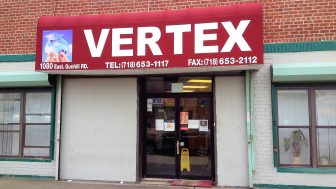
1080 E Gun Hill Rd
Bronx, NY 10469
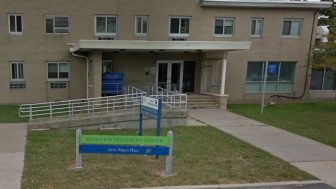
1500 Waters Place
Bronx, NY 10461
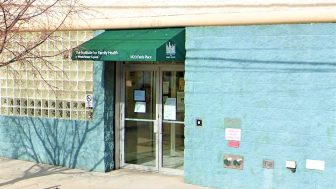
1420 Ferris Pl
Bronx, NY 10461
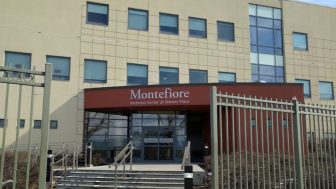
1510 Waters Pl
Bronx, NY 10461
