
Bridging the Tys To Jordan
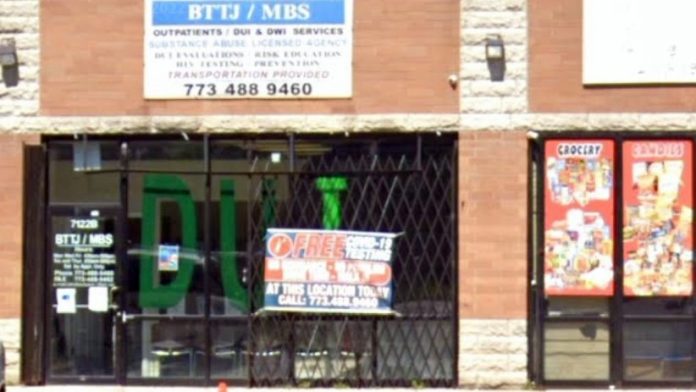
7122 South Vincennes Avenue
Chicago, IL 60621
 Sponsored
About Bridging the Tys To Jordan
Bridging the Tys To Jordan is a private adult addiction center located in Chicago, Illinois offering outpatient care for those with substance use disorders. The center provides multiple levels of outpatient treatment, including intensive outpatient and partial hospitalization programs, along with individual, group, family, and couples counseling.
Bridging the Tys To Jordan delivers compassionate, accessible care designed to help clients achieve recovery while maintaining their daily responsibilities and connections to their community.
Comprehensive Outpatient Addiction Treatment in Chicago
Bridging the Tys To Jordan specializes in flexible outpatient addiction services that allow clients to live at home while receiving structured treatment for alcoholism, opiate addiction, and other substance use disorders.
I've found this structure helps individuals thrive during treamtent. The center offers outpatient, intensive outpatient, and partial hospitalization/day treatment options to meet each person's needs.
Treatment incorporates cognitive behavioral therapy, substance abuse counseling, and evidence-based approaches like contingency management and community reinforcement.
These vital sessions focus on building coping skills, addressing the underlying drivers of addiction, and creating sustainable recovery plans through individual and group counseling formats.
Trauma-Informed and Inclusive Care
The center provides specialized support for individuals who have experienced trauma, sexual abuse, intimate partner violence, or domestic violence. I've found that Bridging the Tys To Jordan creates a safe, affirming environment with gender-specific programming for men and women, and LGBTQ-friendly inclusive treatment for all clients.
Affordable In-Person & Telehealth Services
Bridging the Tys To Jordan serves clients throughout Cook County from its location on South Vincennes Avenue in Chicago, with in-person and telehealth options available. The center holds state mental health department accreditation and offers services for hearing-impaired clients.
Payment options include Medicaid, Medicare and private and military insurance. They offer self-pay, with sliding scale fees and payment assistance based on income.
Amenities
Private drug rehab provides a comfortable, secure environment that allows you to focus on doing the work to get your life back on track. Benefits include a higher staff-to-client ratio, increased one-on-one time with therapists and healthcare providers, private rooms for clients, and customized forms of therapy.
Residential drug rehab provides the comforts of home with the therapeutic support needed to successfully recover. Benefits of an inpatient program include increased safety, a higher success rate, and the time and distance given to focus on recovery. Residential drug rehabs are often the preferred method of treatment, as they can be tailored to meet specific needs, offer focused therapeutic care, and provide the necessary tools to sustain recovery.
In order to maintain a sense of autonomy, many private rehab facilities offer clients the ability to choose their own private rooms. The privacy and personal space ensure that the recovery process is as comfortable as possible.
Taking time away from a demanding corporate job to attend drug rehab may seem impossible, but executive drug rehab programs combine cutting edge addiction treatment with executive amenities like Wi-Fi, access to computers, and conference calling so you can take care of your health and stay on top of business.
Some rehab programs offer free Wi-Fi to guests who have full access to their smartphone devices or laptop computers during treatment. While access to these devices may be allowed, the time spent using them is often regulated or restricted so clients can focus on treatment.
Addiction Treatment Programs
Some of the most common services offered in a young adult program in Illinois include individual and group counseling, medication management, educational courses, and 12-step programs. These programs are tailored to address the challenges of this stage of life.
Individuals who are struggling with addiction to drugs or alcohol can get support at an adult program in Illinois. Designed for men and women over the age of 18, these programs offer rehabilitation treatment and recovery services.
Each alcohol rehab in Illinois is unique, but most include three basic aspects of treatment: medical detox, psychotherapy, and medication. Through these methods, participants receive treatment for the physical, mental, and emotional aspects of alcohol use disorder.
Men’s rehab in Illinois typically includes individual, group, and family therapies. Group sessions are conducted with men only, which encourages greater vulnerability and sharing opportunities among participants.
Women who have substance use disorders are more likely than men to have co-occurring mental health disorders. Women’s rehab in Illinois often provides treatment for dual diagnosis, so women can get help for their addiction and disorders such as anxiety or depression.
Learn the skills you need to break free from opioid dependence at opioid rehab in Illinois. Program options include detox, inpatient rehab, outpatient rehab, counseling, and medication assisted treatment programs, which are tailored to meet the needs of the individual.
In Illinois, cognitive behavioral therapy is an effective method for addiction treatment. It teaches effective communication skills, provides tools to help people improve mood, and empowers participants to dismiss insecurities that can lead to substance abuse.
Women who have substance use disorders are more likely than men to have co-occurring mental health disorders. Women’s rehab in Illinois often provides treatment for dual diagnosis, so women can get help for their addiction and disorders such as anxiety or depression.
Many substance abuse treatment plans include rational emotive behavioral therapy in Illinois. This treatment replaces negative decisions with healthy ones, helps prevent relapse, provides conflict-resolution skills, and improves interpersonal relationships.
Assertive Community Treatment (ACT) is an integrative, community-based care strategy designed to address the needs of persons with severe and/or complex mental illness or behavioral disorders. ACT is typically provided by a multidisciplinary team of medical and mental health care providers, social workers, therapists, and other specialists, including addiction recovery professionals. These services are frequently provided in the home and community to clients in crisis, those who are clinically unstable, and those who are unable or unwilling to travel to a hospital or clinic for in-person treatment.
Levels of Care
Outpatient rehab in Illinois may be brief or long-term, depending on the individual. During this time, you will maintain membership in a support group as well as attend one-on-one counseling sessions. The focus is ongoing development of life skills that will prevent relapse.
An Illinois dual diagnosis program treats both your mental health and recovery needs. Psychiatrists and addiction specialists work together to address co-occurring disorders, such as depression, anxiety, or ADHD.
Aftercare rehab in Illinois lowers the chance of relapse. This program offers support to help you face challenges after you successfully complete rehab. By providing guidance, accountability, and assistance with basic life skills, aftercare gives you confidence to navigate temptations and maintain sobriety.
In many cases, drug rehab in Illinois begins with intervention. Professional intervention services are available to help you facilitate an intervention, develop a treatment plan, and choose the program that best suits your loved one’s needs.
Accreditations
Accepted Insurance




Contact Information


7122 South Vincennes Avenue
Chicago, IL 60621
Sponsored
Nearby Treatment Centers

326 West 64th Street
Chicago, IL 60621
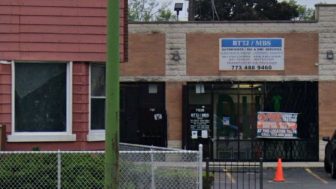
7122 South Vincennes Avenue
Suite B
Chicago, IL 60621

110 East 79th Street
Suite B
Chicago, IL 60619
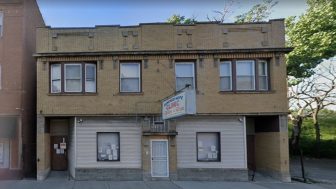
626 E 71st St
Chicago, IL 60619
