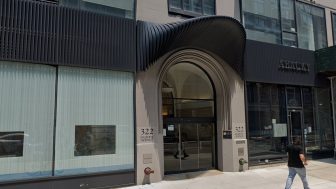
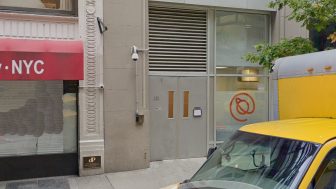
Bowery Residents’ Committee
131 W 25th S
12th Floor
New York City, NY 10001
 Sponsored
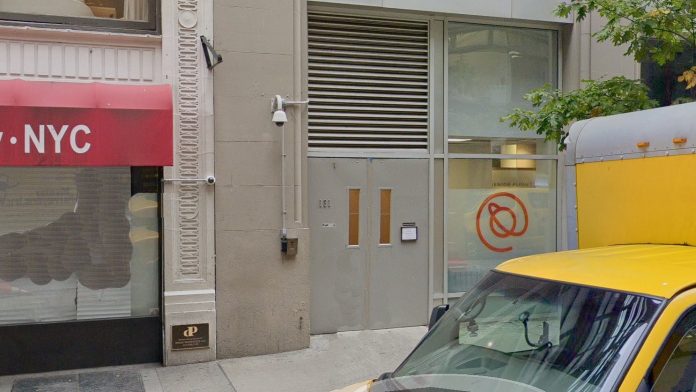
About Bowery Residents’ Committee
The Fred Cooper Substance Abuse Services Center (SASC) is an outpatient recovery program operated by Bowery Residents’ Committee (BRC), in New York, New York. They’re a leading provider of shelter and support services for homeless New Yorkers.
BRC creates an effective pathway from homelessness to stable housing for seniors, adults, adolescents and families with children facing housing challenges. Their services follow a holistic model, addressing substance use and co-occurring mental health challenges that often undermine health and housing stability.
We found that SASC serves as one of BRC’s low-threshold programs. It’s just a short walk south of Madison Square Park and east of the West Chelsea Historic District. The facility offers supportive space for chronically substance-dependent clients with challenging treatment histories and often co-occurring mental health disorders to work toward long-term sobriety and stability. The program supports not just the homeless but individuals living in shelters, safe havens or even on the streets and in the transit system.
Most of these individuals struggle with severe mental illness and chemical addiction (MICA) and therefore require more dedicated treatment options to navigate their complex recovery needs. We find SASC’s dedication to providing these specialized services truly remarkable.
Integrated Harm Reduction Support in New York City
SASC adopts a harm reduction model of recovery that meets clients where they are with a focus on reducing risks and supporting gradual progress toward stability and well-being. Following a detailed intake assessment, you may receive a prescription for buprenorphine or methadone through medication-assisted treatment (MAT) as part of your personalized recovery plan.
These FDA-approved medications help ease withdrawal symptoms, reduce intense cravings and stabilize your brain chemistry to support sustained recovery. This works alongside your regular therapeutic engagement to build emotional resilience and develop effective coping strategies that help prevent relapse.
The program integrates psychiatric medication management to support you in managing co-occurring mental health conditions and restoring emotional balance. Through case management, you’ll gain access to community resources that support your needs for stable housing, employment and healthcare alongside legal services and other essentials critical to lifelong healing.
As part of their harm reduction services, SASC also offers safe syringe access, Narcan training and distribution and overdose prevention education to promote safer practices and reduce health risks. Forty percent of clients at SASC achieve positive discharge, surpassing New York’s target rate of 35%.
Amenities
Addiction treatment in the metro area benefits clients by offering seamless connections from the city, around the state, and those seeking out-of-state treatment. Another benefit of attending a metro area drug rehab is that you’re close to major airports and ground transportation services.
Addiction Treatment Programs
While at a young adult program in New York, young people can participate in activities and therapy sessions that cater to their age bracket. They can also form relationships with other young adults for mutual support.
A quality adult program in New York provides a combination of medical, mental, and emotional support to treat the whole individual. Various methods are used to help adults achieve and maintain sobriety.
To address the full range of issues involved in alcohol use disorder, an alcohol rehab in New York often incorporates a variety of treatment methods. Physical activity, nutrition, psychotherapy, and support groups are common aspects of treatment.
Some men benefit most from men’s rehab in New York. These programs understand the unique challenges that men face when struggling with addiction, and they offer personalized treatment to address these challenges.
Men and women face different issues when it comes to addiction and recovery. Women’s rehab in New York offers treatment approaches that address life issues that are specific to women.
There are many options available for opioid rehab in New York. Treatment programs include detox, inpatient rehab, outpatient rehab, or intensive outpatient programs (IOPs). Consider the severity of your addiction, how long you’ve been addicted, and personal history to determine which type of program is best for you.
Cognitive behavioral therapy in New York emphasizes how thoughts affect mood. It is a goal-oriented method that teaches participants how to address dysfunctional thoughts and underlying beliefs that can lead to substance abuse and addiction.
Rational emotive behavioral therapy in New York is often used to treat substance use disorders as well as a variety of other mental health and behavioral disorders. It focuses on the present, achieving goals, and overcoming hardship.
Assertive Community Treatment (ACT) is an integrative, community-based care strategy designed to address the needs of persons with severe and/or complex mental illness or behavioral disorders. ACT is typically provided by a multidisciplinary team of medical and mental health care providers, social workers, therapists, and other specialists, including addiction recovery professionals. These services are frequently provided in the home and community to clients in crisis, those who are clinically unstable, and those who are unable or unwilling to travel to a hospital or clinic for in-person treatment.
Levels of Care
For those who require accountability but less intensive oversight, outpatient rehab in New York is a good option. During this treatment, you meet regularly with a counselor and attend support group meetings, for accountability and encouragement. This may last for a few weeks or months, based on your recovery journey.
Mental health disorders that co-occur with substance abuse disorders often cause relapse. For successful recovery, both disorders must be treated, with dual diagnosis treatment in New York. Common methods include cognitive-behavioral therapy, medication management, and counseling.
Once rehab is complete, aftercare rehab in New York steps in to prevent relapse. This program gives you access to resources that reduce stress and help you successfully navigate challenges. Studies show that people who take advantage of these resources are more likely to maintain long-term recovery.
Inpatient drug rehab in New York can last 28 to 90 days, depending on the program. During that time, you’ll live at the rehab facility and receive various treatment methods including individual and group therapy.
The first step toward a drug-free future is detox in New York. This is the process of slowly and safely ridding your body of all addictive substances, while under 24/7 supervision by professionals.
Intervention services are a valuable addiction treatment tool for those seeking to get a loved one started on a recovery journey. Professional intervention staff can help plan and facilitate interventions, provide access to key resources, and assist in developing a personalized treatment plan for drug rehab in New York.
Accreditations
Contact Information


 Sponsored