
Brattleboro Retreat
 Sponsored
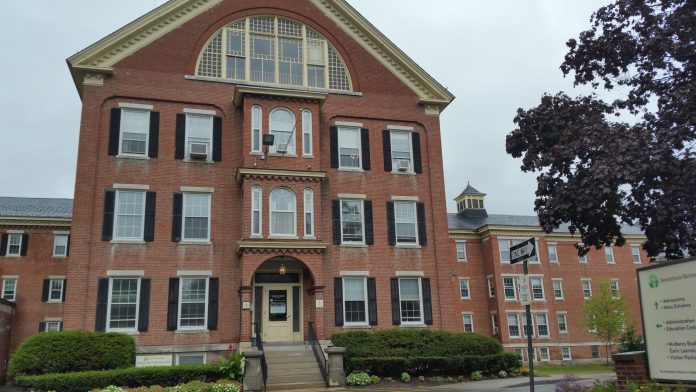
About Brattleboro Retreat
Brattleboro Retreat, a not-for-profit mental health and addiction treatment center in Brattleboro, Vermont offers inpatient psychiatric care and outpatient therapy.
Adults can attend partial hospitalization (structured treatment through the day without an overnight stay) or an intensive outpatient program, with an average stay of 5 to 14 days.
I've learned that Children have a residential program of their own, and outpatient therapy is open to people of all ages.
Financial Assistance in Brattleboro
The Retreat offers a financial assistance program that can lower your bill or clear it, based on household income and household size.
The federal poverty level is the scale those discounts follow, so depending on your household income, is how you recieve low to no cost care.
I've found the Retreat treats a high number of people covered by Medicare and Medicaid.
Partial hospitalization and intensive outpatient care also run over Zoom for evaluations and sessions, so you are not driving to Brattleboro for every visit.
Amenities
Private drug rehab provides a comfortable, secure environment that allows you to focus on doing the work to get your life back on track. Benefits include a higher staff-to-client ratio, increased one-on-one time with therapists and healthcare providers, private rooms for clients, and customized forms of therapy.
In order to maintain a sense of autonomy, many private rehab facilities offer clients the ability to choose their own private rooms. The privacy and personal space ensure that the recovery process is as comfortable as possible.
Addiction Treatment Programs
When participating in a young adult program in Vermont, you learn how to manage stress and anxiety without alcohol or drugs. Treatment helps them with personal growth, life skills, nutrition, parenting skills, boundaries, and other challenges unique to this stage of life.
The center serves adults 18 and older, and its work spans children, adolescents and adults recovering from mental illness, trauma and addiction.
Alcohol rehab in Vermont is often the crucial first step for those on a recovery journey. At rehab, men and women find the tools they need to change their thinking, behavior, and environment. This allows them to move forward on their journey and achieve long-term sobriety.
Individuals who receive treatment at a men’s rehab in Vermont enjoy the freedom to speak openly about their struggles. Expectations to be “tough” or “strong” are removed, so men can get the support they need.
Addressing recovery needs that are unique to females, women’s rehab in Vermont allows participants in treatment to bond with each other for mutual support. This creates a sense of community, open and honest communication, and better long-term treatment outcomes.
A form of psychoterhapy, cognitive behavioral therapy in Vermont helps individuals become aware of thought and behavioral patterns that lead to substance use. It provides coping skills to change patterns and help the individual make better choices in the future.
A person with substance dependence can achieve recovery through drug rehab in Vermont. Professional staff provide a combination of interventions that are designed to help you attain and maintain abstinence from drugs.
Women’s rehab in Vermont allows women in treatment to bond with each other for mutual support. This creates a sense of community, open and honest communication, and better long-term treatment outcomes.
For Veterans seeking help with substance use disorders and co-occurring disorders, help is available at Veteran’s rehab in Vermont. Treatment options include inpatient care, outpatient care, medications, and counseling.
Assertive Community Treatment (ACT) is an integrative, community-based care strategy designed to address the needs of persons with severe and/or complex mental illness or behavioral disorders. ACT is typically provided by a multidisciplinary team of medical and mental health care providers, social workers, therapists, and other specialists, including addiction recovery professionals. These services are frequently provided in the home and community to clients in crisis, those who are clinically unstable, and those who are unable or unwilling to travel to a hospital or clinic for in-person treatment.
Levels of Care
Outpatient therapy at the Brattleboro Retreat takes people of all ages, so children, teenagers and adults are all seen on an outpatient basis here.
If mental illness is present alongside substance abuse, as it often is, then dual diagnosis treatment in Vermont is necessary. This integrated approach uses methods such as individual and family counseling, medication management, and cognitive-behavioral therapy to address both disorders.
It is common for people in recovery to remain in Vermont aftercare rehab for several weeks or months, and many use these resources for a year or more. This program offers ongoing support to successfully navigate initial life challenges in recovery.
Inpatient alcohol and drug rehab in Vermont offers the most intensive level of care for recovery. It involves living at the facility while participating in counseling sessions, recreation therapy, and other forms of treatment.
Detox in Vermont involves ridding your body of addictive substances. This medically-supervised step can last up to a week, depending on personal history and type of substances used.
A Vermont sober living house offers an interim step for your recovery journey. You’ll live in a supervised, drug- and alcohol-free environment with rules and a structured schedule. This stable setting allows you to practice sober living before moving out on your own after rehab treatment.
One of the most valuable tools offered at drug rehabs in Vermont are intervention services. These services give family members the education and resources they need to conduct effective interventions and guide loved ones to the best treatment plans for their recovery needs.
Partial hospitalization programs (PHPs) in Vermont offer structured services similar to an inpatient program, but you are able to return home at night. This addiction treatment approach often acts as a bridge between inpatient and outpatient care.
Contact Information


 Sponsored
Maygen Brockway, MTC, has more than 10 years of editing and writing experience. She’s written for the medical, wedding, fashion, and technical industries. She’s a poetry lover, coffee and whiskey drinker, social butterfly, and mom who lives in scenic Southern Utah. She has a Master’s in Technical Communication and loves writing.
Rehabs.org regularly reviews this listing for accuracy but changes may occur between updates. For the most up-to-date information, please contact Brattleboro Retreat.
Nearby Treatment Centers


Popular Vermont Cities
More Cities View Other Vermont CitiesFAQs
Can you get help paying for treatment at Brattleboro Retreat?
Yes. A financial assistance program can reduce or eliminate the cost of care depending on household income and household size. Households below 300 percent of the Federal Poverty Level may be eligible for free care, and households between 301 and 600 percent may see a discount of 25 to 75 percent. See free drug rehab for the income rules.
Is this a residential center or an outpatient one?
Both. Outpatient therapy is open to people of all ages, adults also have partial hospitalization and intensive outpatient services, and a residential program exists for children. The center treats co-occurring disorders as well, meaning mental health conditions that come alongside addiction. See co-occurring disorders care for what that involves.
Are the intensive outpatient sessions available virtually?
Yes, in part. The Virtual Intensive Outpatient and Partial Hospitalization Programs run online for people dealing with mental health challenges. On campus, every room is private with a bed and desk, and an outdoor courtyard is available when a medical team approves it. The campus is tobacco free.
How long does an inpatient stay at Brattleboro Retreat usually last?
An average inpatient stay at the Retreat runs from 5 to 14 days. The Adult Intensive Program holds 14 beds on a secure unit, and the Retreat belongs to the Ivy League Hospitals network. It has operated since 1834 as a not-for-profit center for specialty mental health care.
