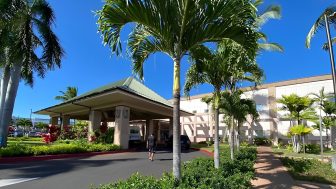
Bobby Benson Center
56-660 Kamehameha Highway
Kahuku, HI 96731
 Sponsored
About Bobby Benson Center
Bobby Benson Center is a dual diagnosis drug and alcohol rehab, located in Kahuku, Hawaii, offering a full continuum of care, including residential treatment, outpatient, and intensive outpatient programs (IOP). Programs are for adolescents (aged 13 to 17) and adults (aged 18+) with substance use disorders and co-occurring mental health disorders.
Situated on Oahu’s North Shore, the Bobby Benson Center has a 30 bed residential facility, located minutes from the beach. Residents are treated with a holistic, non-restrictive, and trauma informed approach to addiction treatment, beginning with a comprehensive assessment and individualized treatment plan. Program activities include life skills training, relapse prevention groups, aftercare support, and individual, group, and family therapy sessions. Amenities include recreational outings, a remote but tranquil setting, 24 hour support staff, a gym, a basketball court, and comfortable cabin accommodation with AC.
As a nonprofit organization, Bobby Benson Center is licensed by the State of Hawaii, and accredited by the Department of Health, Alcohol and Drug Abuse Division, and Commission on Accreditation of Rehabilitation Facilities (CARF), reflecting high quality healthcare. Commercial insurance plans and self pay are accepted. Funding is also available for teens.
Amenities
In order to maintain a sense of autonomy, many private rehab facilities offer clients the ability to choose their own private rooms. The privacy and personal space ensure that the recovery process is as comfortable as possible.
When paired with cognitive-behavioral therapy, exercise can be an effective tool for overcoming addiction. Drug rehabs with a gym offer clients healthy ways to increase energy levels, balance the body’s stress hormone levels, and aid in the brain’s healing process.
When used as part of an evidence-based treatment plan, basketball can boost physical and mental health, lead to sharper thinking, and facilitate improved self-esteem. Drug rehabs with a basketball court also place a focus on teamwork and cooperation.
Recreational therapy uniquely combines therapeutic interventions with an activity, like horse-riding, hiking, wilderness therapy, basketball, tennis, or a full workout. Benefits of recreational therapy include providing a healthy way to work through the emotions of recovery, learning to build and maintain relationships, improving communication skills, and building self-esteem.
Transportation services are designed to ensure your addiction treatment begins and ends successfully by offering free transportation to the rehab facility, to and from your appointments during rehab, and back home upon program completion.
Residential drug rehab provides the comforts of home with the therapeutic support needed to successfully recover. Benefits of an inpatient program include increased safety, a higher success rate, and the time and distance given to focus on recovery. Residential drug rehabs are often the preferred method of treatment, as they can be tailored to meet specific needs, offer focused therapeutic care, and provide the necessary tools to sustain recovery.
Addiction treatment programs provide an opportunity to get your life back on track with access to school classes or college courses. Whether you want to finish your GED or go back to school to learn a new trade, facilities often enlist tutors and teachers who are certified or licensed by the state to oversee self-study or distance-learning education.
Addiction Treatment Programs
A young adult program in Hawaii is important for addressing the needs of this stage of life. Young adults face different challenges and have different motivations for using substances than older adults, and a young adult rehab program addresses these unique needs.
Fitness therapy is an evidence-based complementary approach to addiction recovery and mental health care. Based on mounting scientific evidence of the benefits of physical activity in improving mood, enhancing clients’ sense of wellbeing, and decreasing depression and anxiety, fitness therapy encompasses a wide spectrum of intensities, from gentle yoga, qigong, and tai chi to weight training, kickboxing, and other highly physical activities.
Men and women over 18 who struggle with substance abuse can receive treatment through an adult program in Hawaii. Programs may include inpatient and/or outpatient care and typically include individual and group therapy methods.
Drug rehab in Hawaii is for individuals suffering from substance use disorders. Treatment addresses the many issues involved with addiction, typically through a combination of medical and psychotherapy treatments.
Remission from alcohol use disorder is achieved through effective alcohol rehab in Hawaii. Participants learn how to cease heavy drinking and develop healthy lifestyle habits that lead to long-term sobriety.
Men’s rehab in Hawaii often reduces the risk of relapse and increases treatment completion rates by giving men the opportunity to create bonds with other men who have similar challenges. They feel comfortable sharing their struggles, and continue the supportive relationships after treatment.
Because women often abuse substances for different reasons than men, women’s rehab in Hawaii provides treatment that is targeted for women. Programs focus on specific trauma, stigma, bias, and gender-role issues that can affect substance use disorders among women.
Offering specialized addiction treatment for LGBTQ+ people, LGBTQ-friendly rehabs in Hawaii provide a safe space and they employ experienced staff that are trained in understanding the unique challenges and stressors of the LGBTQ+ community. This allows the programs to see higher success rates.
Cognitive behavioral therapy in Hawaii teaches people positive behaviors to replace alcohol and drug use. They learn better ways to cope with negative thoughts and emotions and challenging situations.
Opioid rehab in Hawaii helps people recover from opioid use disorders and improve their lives. Treatment teaches participants new skills to end opioid dependence and prevent relapse. Methods include detox, inpatient, and outpatient treatment.
Elderly rehab in Hawaii can provide a safe haven for older adults to seek addiction treatment. Programs include a supportive peer network and specialists who are knowledgeable about the challenges of addiction among seniors.
Levels of Care
When you enter inpatient drug rehab in Hawaii, you’ll live at the facility until completion of the program. In this setting, you will typically participate in individual, group, and family therapy sessions, and you may receive medication and additional recreational and holistic therapies.
During outpatient rehab in Hawaii, you will have more freedom and less oversight than with inpatient treatment. The goals will be to stay clean, demonstrate the ability to act responsibly, and show continual progress toward recovery. This will include attending therapy and support group sessions.
Often, substance abuse and mental health disorders are intricately linked. For successful recovery, Hawaii dual diagnosis treatment is necessary. This integrated approach provides crucial tools for improving both conditions and putting you on the path to recovery.
Aftercare rehab in Hawaii typically lasts for a year after your initial treatment. This program provides ongoing support to maintain sober living. Support may include budgeting assistance, career guidance, and continued counseling, as well as 12-step meetings.
Intervention services in Hawaii are often necessary to convince your loved one to get the treatment they need. Professional intervention specialists can provide pre-intervention counseling for family members, assist with staging an intervention, and provide resources to create a treatment plan.
The first step to becoming drug-free is detox. During this initial stage of drug rehab in Hawaii, your body is cleansed of all additive substances. The length of time varies by individual, but it always involves 24/7 medical supervision for a slow, safe process.
Accreditations
Accepted Insurance




Contact Information


 Sponsored