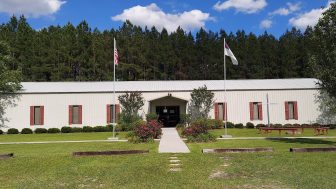
BHG Tifton Treatment Center
2402 Tift Ave N
Tifton, GA 31794
 Sponsored
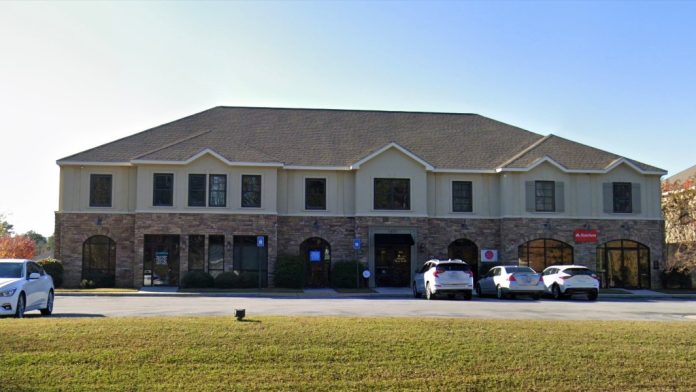
About BHG Tifton Treatment Center
Located in Tifton, Georgia, BHG Tifton Treatment Center treats opioid addiction. Treatment here includes outpatient addiction treatment and medication assisted therapy. Medication like methadone is used to eliminate uncomfortable physical symptoms and eliminate cravings.
While enrolled here, you’ll participate in individual, group and family counseling. Certified professionals will use cognitive behavioral therapy to help you learn how to manage triggers and avoid future relapse. The care here also includes medical screenings and daily methadone dosing. You’ll be able to maintain your life while receiving intensive addiction treatment.
A former attendee of BHG Tifton Treatment Center said that they’ve attended many addiction treatment centers and this is the best one they’ve been to. They also said that instead of being just a number, you matter to the staff. Another former program participant said the staff really wants to see you succeed.
Amenities
Private drug rehab provides a comfortable, secure environment that allows you to focus on doing the work to get your life back on track. Benefits include a higher staff-to-client ratio, increased one-on-one time with therapists and healthcare providers, private rooms for clients, and customized forms of therapy.
Residential drug rehab provides the comforts of home with the therapeutic support needed to successfully recover. Benefits of an inpatient program include increased safety, a higher success rate, and the time and distance given to focus on recovery. Residential drug rehabs are often the preferred method of treatment, as they can be tailored to meet specific needs, offer focused therapeutic care, and provide the necessary tools to sustain recovery.
In order to maintain a sense of autonomy, many private rehab facilities offer clients the ability to choose their own private rooms. The privacy and personal space ensure that the recovery process is as comfortable as possible.
Addiction Treatment Programs
A young adult program in Georgia focuses on the motivations, challenges, and needs of this stage of life. Participants receive treatment tailored to this age bracket.
Treatment services at an adult program in Georgia are typically offered on a continuum of care. These intensity levels address unique needs as individuals progress through various stages of recovery.
Addiction and substance use treatment affect men and women differently. Women’s rehab in Georgia addresses the internal and external factors that women face which differ from men.
By offering men’s rehab in Georgia, addiction treatment centers provide an outlet for men to build bonds with other men who are facing similar challenges. The relationships formed can help men reduce their risk of relapse.
When you attend opioid rehab in Georgia, you’ll find a safe and comfortable atmosphere that allows you to navigate a path to a healthier life. Choose from inpatient or outpatient programs that surround you with support and give you the tools you need for sobriety.
A quality drug rehab in Georgia can help you overcome addiction. This environment is designed to help you address the complex issues contributing to drug dependence. The goal of treatment is to give you the tools you need to make a full recovery.
Levels of Care
Alcohol and drug rehab in Georgia starts with detox. You’ll be under 24/7 supervision, while medical personnel provide care and medication to alleviate withdrawal symptoms. Over a period of about a week, all addictive substances will be cleansed from your body.
For those with a moderate addiction, outpatient rehab in Georgia is often appropriate. This involves attending individual and group counseling sessions each week. Outpatient treatment may continue long-term if needed, until you are ready for the next stage of your recovery journey.
Georgia aftercare rehab helps you navigate sober living after treatment. As you re-enter life, you’ll have support to help you face challenges and avoid relapse. Most people need aftercare for several months, and it’s common to remain in aftercare for a year or more.
Accreditations
Accepted Insurance




Contact Information


 Sponsored