Together for Youth—Burnham Youth Safe Center
 Sponsored
About Together for Youth—Burnham Youth Safe Center
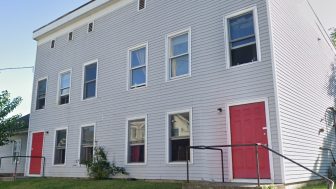
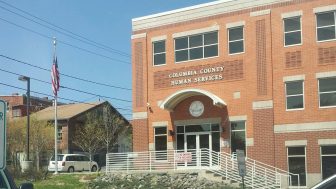
Together for Youth—Burnham Youth Safe Center is a youth focused substance use and behavioral health provider in Canaan, New York serving court involved adolescents within a trauma informed and rehabilitation focused environment.
I discovered they are part of a statewide nonprofit and emphasize structured and supportive care that helps youth and families move toward healthier futures.
The program combines secure supervision with counseling, substance use and mental health support, education, and skill building for young people.
What kinds of treatment and support are offered?
Burnham provides comprehensive assessments, treatment planning, and counseling for youth with mental health or substance use needs.
Approaches include trauma informed care and evidence based practices, cognitive behavioral therapy and motivational interviewing, coping and life skills development, therapeutic recreation, and an education curriculum.
Who can get help here?
The center serves teens and young adults under age 21 with what I found to be a focus on court involved adolescents in a co-ed juvenile detention setting.
The broader organization supports young people and families with mental health, substance use, behavioral, and family support needs.
Where is the center located?
Burnham Youth Safe Center is located on State Route 22 in Canaan, New York in a small town rural setting near parks, orchards, and historical sites. This peaceful environment offers structure and distance from prior stressors during recovery.
Amenities
In order to maintain a sense of autonomy, many private rehab facilities offer clients the ability to choose their own private rooms. The privacy and personal space ensure that the recovery process is as comfortable as possible.
Private drug rehab provides a comfortable, secure environment that allows you to focus on doing the work to get your life back on track. Benefits include a higher staff-to-client ratio, increased one-on-one time with therapists and healthcare providers, private rooms for clients, and customized forms of therapy.
Recreational therapy uniquely combines therapeutic interventions with an activity, like horse-riding, hiking, wilderness therapy, basketball, tennis, or a full workout. Benefits of recreational therapy include providing a healthy way to work through the emotions of recovery, learning to build and maintain relationships, improving communication skills, and building self-esteem.
Residential drug rehab provides the comforts of home with the therapeutic support needed to successfully recover. Benefits of an inpatient program include increased safety, a higher success rate, and the time and distance given to focus on recovery. Residential drug rehabs are often the preferred method of treatment, as they can be tailored to meet specific needs, offer focused therapeutic care, and provide the necessary tools to sustain recovery.
Addiction Treatment Programs
While at a young adult program in New York, young people can participate in activities and therapy sessions that cater to their age bracket. They can also form relationships with other young adults for mutual support.
A quality adult program in New York provides a combination of medical, mental, and emotional support to treat the whole individual. Various methods are used to help adults achieve and maintain sobriety.
To address the full range of issues involved in alcohol use disorder, an alcohol rehab in New York often incorporates a variety of treatment methods. Physical activity, nutrition, psychotherapy, and support groups are common aspects of treatment.
Some men benefit most from men’s rehab in New York. These programs understand the unique challenges that men face when struggling with addiction, and they offer personalized treatment to address these challenges.
Men and women face different issues when it comes to addiction and recovery. Women’s rehab in New York offers treatment approaches that address life issues that are specific to women.
There are many options available for opioid rehab in New York. Treatment programs include detox, inpatient rehab, outpatient rehab, or intensive outpatient programs (IOPs). Consider the severity of your addiction, how long you’ve been addicted, and personal history to determine which type of program is best for you.
Cognitive behavioral therapy in New York emphasizes how thoughts affect mood. It is a goal-oriented method that teaches participants how to address dysfunctional thoughts and underlying beliefs that can lead to substance abuse and addiction.
Levels of Care
As an intensive form of outpatient rehab, partial hospitalization programs (PHPs) in New York offer many of the services associated with inpatient addiction treatment programs, but you return home during non-treatment times. PHPs give you a balance between clinical supervision and personal responsibility.
For those who require accountability but less intensive oversight, outpatient rehab in New York is a good option. During this treatment, you meet regularly with a counselor and attend support group meetings, for accountability and encouragement. This may last for a few weeks or months, based on your recovery journey.
Once rehab is complete, aftercare rehab in New York steps in to prevent relapse. This program gives you access to resources that reduce stress and help you successfully navigate challenges. Studies show that people who take advantage of these resources are more likely to maintain long-term recovery.
Mental health disorders that co-occur with substance abuse disorders often cause relapse. For successful recovery, both disorders must be treated, with dual diagnosis treatment in New York. Common methods include cognitive-behavioral therapy, medication management, and counseling.
Accreditations
Contact Information


 Sponsored
Kimberly Hawkins holds a master’s degree in computing and information sciences from East Tennessee State University. She is a content writer specializing in alcoholism, drug addiction, and co-occurring disorders. Kimberly has been passionate about the subject of addiction since her only sibling passed away due to an accidental overdose. Her other interests include playing the piano, being in tranquil natural environments, and spending time with her adult children.
Rehabs.org regularly reviews this listing for accuracy but changes may occur between updates. For the most up-to-date information, please contact Together for Youth—Burnham Youth Safe Center.