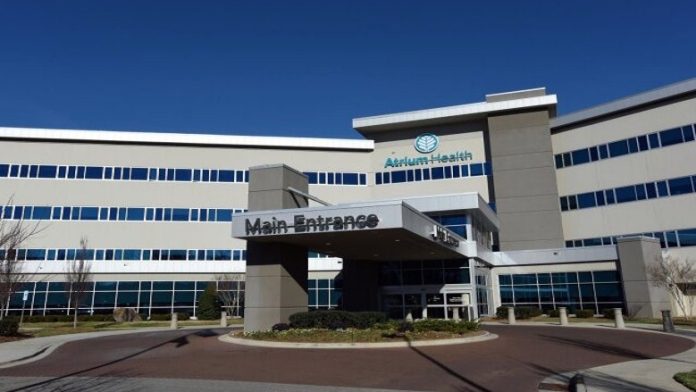
Atrium Health Union Rehabilitation
600 Hospital Drive
Monroe, NC 28112
 Sponsored
About Atrium Health Union Rehabilitation
Atrium Health Union Rehabilitation is a 182 bed hospital in Monroe, North Carolina. While this particular facility focuses on physical rehabilitation from illnesses, injuries and surgeries, they’re part of the Atrium Health network which provides specialty medical care and emergency services, including addiction and mental health treatment. You can access a full continuum of care, including medical detox, inpatient treatment and outpatient programs.
DWI Services
One beneficial feature I noticed was that Atrium Health offers DWI services. You can participate in counseling to understand and change your behaviors. They also help you navigate the legal process to ensure you meet state requirements while getting the support you need.
Medication Assisted Treatment (MAT) in Monroe
Another great feature I noticed was their MAT program. You can access a blend of proven approaches and FDA approved medications to reach recovery.
Medications can help ease your withdrawal symptoms and cravings while reducing the chances of relapse. They complement care with 12 step approaches, cognitive behavioral therapy, dialectical behavior therapy, and motivational interviewing in group, individual, and family sessions.
Keeping You on Track in Recovery
Their aftercare program also caught my eye. They offer educational tools, community resource connections, group meetings, and family support for lasting recovery.
Addiction Treatment Programs
An adult program in North Carolina typically combines individual and group counseling, medical treatment, and various other therapies to treat substance use disorders. Treatment can take place in an inpatient or outpatient setting.
Alcohol rehab in North Carolina is a course of treatments that helps participants overcome alcohol dependency. Treatments address physical, mental, and emotional aspects of substance use disorder and help the individual develop healthy habits for long-term recovery.
Many therapists use cognitive behavioral therapy in North Carolina to treat substance use disorders. This goal-oriented method addresses maladaptive thinking and related beliefs that affect behaviors and can lead to addiction.
Men’s rehab in North Carolina offers customized treatment for men. These programs provide personalized treatment that is designed with the unique needs of men in mind.
To overcome opioid addiction, attend opioid rehab in North Carolina. Treatment takes place in inpatient or outpatient care, using a variety of therapies, medications, and other helpful interventions. Length of treatment caries, typically lasting 30, 60, or 90 days.
Women’s rehab in North Carolina allows women to receive gender-specific treatment tailored to their needs. Programs are available for alcohol, heroin, prescription drugs, benzos, and any other addictive substances, as well as co-occurring disorders.
When individuals participate in a young adult program in North Carolina, they feel more at ease in a setting that is age-appropriate. Activities, therapies, and aesthetics are all tailored for this age group, so participants can feel comfortable and are more likely to complete the program.
Levels of Care
When you choose inpatient drug rehab in North Carolina, you’ll live at a rehab facility for 28 to 90 days, depending on the program. Typical methods of treatment include group and individual therapy and family counseling.
Partial hospitalization programs (PHPs) in North Carolina give you structured treatment during the day but allow you to return home at night. PHPs can include elements like group therapy, individual counseling, and medication management.
Outpatient rehab in North Carolina is often the next step for those who complete an inpatient program. This less restrictive treatment involves several hours of therapy per week, and accountability through 12-step meetings such as AA. You’ll continue this treatment as long as needed, which could be weeks, months, or years.
Aftercare rehab in North Carolina is a crucial part of relapse prevention. It gives you access to resources that will help you manage stress and overcome life hurdles. Typical services include career coaching, financial guidance, and ongoing counseling and emotional support. These may continue for a few months or more than a year after initial rehab.
Some of the most common co-occurring mental health disorders include anxiety, depression, and eating disorders. When these are present alongside substance use disorder, dual diagnosis treatment in North Carolina is necessary to address both conditions.
Accreditations
Contact Information


 Sponsored