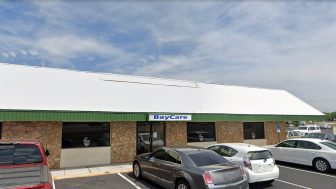
BayCare Behavioral Health- Brooksville
15311 Cortez Boulevard
Brooksville, FL 34613
 Sponsored
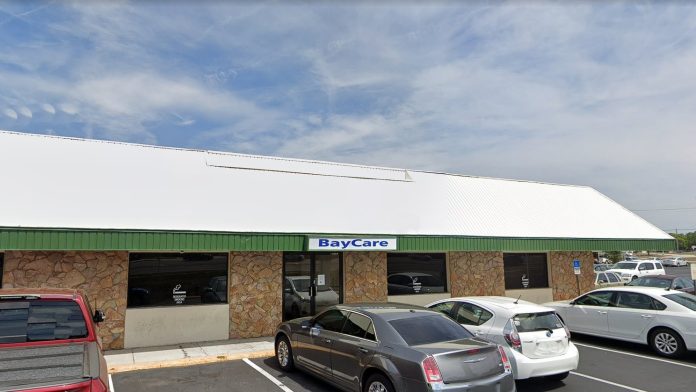
About BayCare Behavioral Health- Brooksville
BayCare provides a wide range of medical care and treatment for mental health and substance use in four Florida counties: Hernando, Pinellas, Pasco and Hillsborough. The Brooksville clinic offers outpatient mental health and addiction treatment to adults and youth. Services include medication assisted treatment (MAT) and school based services.
BayCare takes Medicare, Medicaid and lots of other plans. You can contact the Brooksville clinic directly to make sure your coverage applies, since accepted insurance may vary by location.
Outpatient Treatment Services in Hernando County
The Brooksville clinic supplies individual, group and family therapy for mental health, substance use and co-occurring disorders. They can also refer you to more intensive care within the extensive BayCare system that includes residential treatment.
MAT is available for those with opioid or alcohol misuse. Medications used at BayCare include buprenorphine and naltrexone. The medication helps you manage cravings and lowers the chance of relapse during treatment while you lay the groundwork for long term recovery.
Other services include specialized programs for veterans, those involved in the justice system, and families involved in child welfare cases.
Ongoing Support from Peer Recovery Specialists
I really like that BayCare has a strong peer support program. Peer recovery specialists have been through challenges similar to what you’re facing, and they can give you first hand advice and encouragement.
Peer specialists via their Community Health Activation Team also help solidify your recovery network by connecting you with peer support groups and key community resources that helped them on their journey. I love how this strengthens you and gives you confidence that you can maintain sobriety even after treatment ends.
Amenities
Residential drug rehab provides the comforts of home with the therapeutic support needed to successfully recover. Benefits of an inpatient program include increased safety, a higher success rate, and the time and distance given to focus on recovery. Residential drug rehabs are often the preferred method of treatment, as they can be tailored to meet specific needs, offer focused therapeutic care, and provide the necessary tools to sustain recovery.
In order to maintain a sense of autonomy, many private rehab facilities offer clients the ability to choose their own private rooms. The privacy and personal space ensure that the recovery process is as comfortable as possible.
Private drug rehab provides a comfortable, secure environment that allows you to focus on doing the work to get your life back on track. Benefits include a higher staff-to-client ratio, increased one-on-one time with therapists and healthcare providers, private rooms for clients, and customized forms of therapy.
Addiction Treatment Programs
Treatment at an adult program in Florida addresses the needs of each individual as they work toward recovery. Programs are designed for men and women ages 18 and up, and include a variety of treatment protocols to match the severity of the addiction, type of substance, and personal situation.
Each alcohol rehab in Florida offers unique amenities and approaches, but most follow the same general guidelines. Treatment includes detox, rehabilitation, and maintenance. This is a proven approach to provide the greatest results for long-term recovery.
Cognitive behavioral therapy in Florida helps people in treatment to revisit painful thoughts and memories and learn new ways to cope with them. These newly-learned techniques replace substance use and help the individual maintain sobriety.
Gender-specific addiction treatment gives men who are struggling with substance use disorders a connection point to other men with similar struggles. This common ground can make a huge impact on men’s rehab in Florida.
Opioid rehab in Florida provides the care you need to help you safely and comfortably navigate a path to recovery. Treatment addresses both emotional and physical aspects of addiction, offering individualized tracks and custom programs.
If you're over the age of 65, elderly rehab in Florida gives you the opportunity to be in a treatment program with your peers. This tends to be helpful for older adults because they can receive mutual support and acceptance from their peers. These programs are specifically designed for seniors.
Often, women who have a substance use disorder also have a co-occurring disorder. Women’s rehab in Florida often addresses both the addiction and mental health disorder with dual diagnosis treatment.
Young adults often develop addiction for different reasons than older individuals. That’s why a young adult program in Florida focuses on the unique pressures, needs, and challenges faced by young adults.
Levels of Care
Outpatient rehab in Florida focuses on relapse prevention and long-term recovery. It typically includes several counseling sessions per week as well as membership in a support group such as NA or AA. This treatment can last several weeks or several months, based on your ongoing needs.
If you are struggling with both an addiction and a mental health disorder, treatment for dual diagnosis in Florida is necessary for successful recovery. This multidisciplinary approach treats both substance abuse and co-occurring disorders such as bipolar disorder, eating disorders, depression, or anxiety.
During initial rehab treatment, you learn how to get sober. Aftercare rehab in Florida helps you learn how to stay sober. Through ongoing counseling, support groups, and life coaching, you’ll develop skills to maintain sobriety as you live a successful life in recovery. This support may last up to a year or more, to keep you on the right track.
Inpatient drug rehab in Florida allows you to receive round-the-clock supervised care while living at the facility. A combination of treatment interventions is typically offered, including individual and group therapy, nutritional counseling, experiential therapies, and medication management.
Accreditations
Contact Information


 Sponsored