BAART Programs San Mateo
795 Willow Rd
Bldg. 332
Menlo Park, CA 94025
 Sponsored
About BAART Programs San Mateo
BAART Programs San Mateo is an outpatient opioid recovery clinic in Menlo Park, California. They can help you lay the groundwork for successful healing from common opiates like fentanyl, heroin and prescription pain meds. Addiction to these opiates can take a toll on your health, relationships and overall well being. Overdosing can occur, which may be fatal. In 2021 alone San Mateo recorded 134 fatal overdoses.
BAART Programs champions the general wellbeing of people in the San Mateo community through medication assisted treatment (MAT). This practice uses counseling alongside meds approved by the FDA to facilitate healing. They may prescribe either methadone or buprenorphine, depending on your personalized care plan. These meds take care of the physical symptoms by curbing physiological cravings and eliminating painful withdrawal symptoms. This enables you to focus on counseling to address the psychological aspects.
The clinic offers individual counseling to help you tackle the root causes of your opioid use, build strong coping skills and avoid relapse. You’ll attend addiction and relapse prevention education classes during this period to help you stay on track. This two prong approach involving meds and counseling ensures holistic healing.
BAART Programs San Mateo provides a welcoming and nonjudgmental space where you can feel safe and receive quality care. Patients undergo detailed medical assessment and testing during intake to help the care team tailor treatment to their unique needs. This means that the specific med, dosage and frequency of counseling aligns with what’s best for the individual.
The clinic helps pregnant women in recovery as well by providing coordinated treatment to care for the safety of the fetus and mom. Guest dosing is also an important service available in this clinic. This can be helpful if you’re traveling or temporarily away from your home treatment facility and need to maintain your meds schedule without interruption.
Their 360 degrees care includes case management and personalized discharge planning. Your case manager can help you find low cost housing if you’re homeless. They can also help with job placement and medical care via community linkage. This may form part of your personalized discharge planning.
You can finance your treatment here through Medi-Cal, Medicare and Medicare Advantage Plans. Self pay options and private insurance is acceptable. They’re part of the VA Community Care Network through Optum and TriWest.
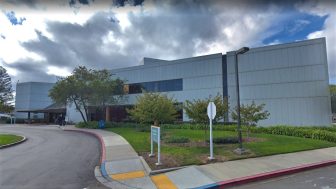
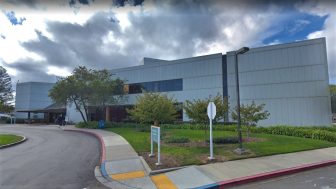
BAART Programs San Mateo is situated near downtown Menlo Park and is a short driving distance to Palo Alto and Redwood City. The clinic can be accessed using public and private transportation. People local to the area can leverage either the free M4-Willow Road Shuttle or SamTrans bus service to get there. Medi-Cal patients may qualify for the transportation assistance provided by the facility, but it depends on your plan.
Addiction Treatment Programs
Alcohol rehab in California provides professional treatment to guide participants through each step of recovery. Programs offer a support system to walk you through challenges and celebrate victories with you, from detox to long-term sobriety.
Drug rehab in California teaches participants constructive ways to stay clean and sober. Treatment revolves around helping individuals stop using the substance they are addicted to and learn healthy habits to avoid relapse.
Typically, a young adult program in California can guide individuals from detox, through initial treatment, and extends to aftercare. Treatment gives young adults what they need to reset their lives and move to the next stage of life free from addiction.
An adult program in California uses various therapeutic methods to treat a person who is dependent on an addictive substance. Individuals aged 18 and older are eligible for treatment, which focuses on breaking the cycle of addiction and learning how to maintain sober living.
Gender-specific addiction treatment programs may be more effective in treating men because they focus on unique needs of males. Men’s rehab in California is designed to help men process emotions and cope with stress in a judgment-free environment.
Women’s rehab in California provides a safe environment where women can work through addiction challenges surrounded by their gender peers. This often creates an environment that is more conducive to recovery.
For those who are struggling with opioid use disorder, help is available at opioid rehab in California. This complex addiction can be treated through a combination of evidence-based therapies and medication assisted treatment.
When a person is struggling with addiction, their actions and emotions may not be rational. Cognitive behavioral therapy in California helps individuals understand better why they feel and act certain ways and how those emotions and actions can lead to substance abuse.
The incidence of substance abuse and addiction is higher among the LBGTQ community. That’s why LBGTQ-friendly rehab in California is available, to offer specialized treatment that addresses the unique needs of individuals in this demographic.
Therapists often use rational emotive behavioral therapy in California to treat addiction. The ABC (activating event, beliefs, consequences) framework is used to help participants identify irrational beliefs and reframe their thinking in healthier ways.
Levels of Care
When you enter drug rehab in California, detox is the first step towards becoming drug-free. The detox process includes 24/7 monitoring and medical care and may include the use of medications to ease withdrawal symptoms.
Unlike outpatient drug rehab, clients receiving inpatient rehab in California reside at the facility for the duration of the program. The length of stay may range from two weeks to 18 months or more, depending on the client's needs and the program’s design.
When you choose outpatient rehab in California, you will meet with a counselor and attend support group meetings. The focus will be on restructuring attitudes and thoughts to reduce cravings and develop skills to prevent relapse. The length of time in outpatient rehab varies by individual, based on their recovery needs.
Accreditations
Accepted Insurance


Contact Information


 795 Willow Rd
Bldg. 332
Menlo Park, CA 94025 Sponsored
795 Willow Rd
Bldg. 332
Menlo Park, CA 94025 Sponsored