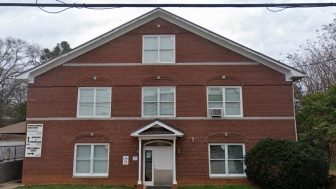
Avita Community Partners Behavioral Health Services / Developmental Disability Services
228 North College Avenue
Hartwell, GA 30643
 Sponsored
About Avita Community Partners Behavioral Health Services / Developmental Disability Services
Avita Community Partners’ Behavioral Health site provides individualized treatment for adults affected by mental health and substance use disorders. They're a CARF-accredited facility that provides addiction treatment and recovery and underlying co-occurring mental conditions. You'll find 'em in Hartwell, Georgia.
They offer short term residential care for psychiatric stabilization and alcohol/drug detox 24/7 at their behavioral health crisis center. This provides a less restrictive and affordable alternative to hospitalization. Services range from psychiatric evaluation and psychosocial assessment to health history assessments and medication management. They also offer individual and group counseling, psychiatric and substance use education and even education on professional and self-help alternatives.
Following crisis resolution or stabilization, you’ll continue your addiction recovery journey via their outpatient care. Depending on your condition, they may also refer you to other community services.
Their outpatient program involves short term individual, family, and group counseling and educational classes. This is geared towards assisting you and your family gain knowledge and skills for coping and problem-solving. You’ll learn essential living skills, stress management and parenting skills through daily group sessions and classes. This fosters sound coping mechanisms, prevents relapse and helps you stay sober.
Their recovery personnel also provide rehabilitation and community support services that improve your quality of life and promote personal independence. This may include assistance with managing daily activities like care coordination, nutrition planning, and budgeting skills. They can provide job training, prepare you for interviews, and help you achieve your employment goals. Nursing care, medication management and pharmacy services may also be accessible, especially if you’re dealing with dual diagnosis. They may also offer housing assistance, peer support, and accountability initiatives for individuals involved in the criminal justice system.
Addiction Treatment Programs
Treatment services at an adult program in Georgia are typically offered on a continuum of care. These intensity levels address unique needs as individuals progress through various stages of recovery.
The goal of alcohol rehab in Georgia is recovery. This is a process that helps individuals achieve remission from alcohol use disorder and refrain from unhealthy drinking habits. Treatment typically includes one-on-one and group therapy sessions.
By offering men’s rehab in Georgia, addiction treatment centers provide an outlet for men to build bonds with other men who are facing similar challenges. The relationships formed can help men reduce their risk of relapse.
Addiction and substance use treatment affect men and women differently. Women’s rehab in Georgia addresses the internal and external factors that women face which differ from men.
A young adult program in Georgia focuses on the motivations, challenges, and needs of this stage of life. Participants receive treatment tailored to this age bracket.
Levels of Care
For those with a moderate addiction, outpatient rehab in Georgia is often appropriate. This involves attending individual and group counseling sessions each week. Outpatient treatment may continue long-term if needed, until you are ready for the next stage of your recovery journey.
Both substance abuse and mental health disorders cause brain imbalances, so they often feed off each other. Treatment for dual diagnosis in Georgia provides access to addiction and mental health specialists, to effectively treat both conditions at once.
Georgia aftercare rehab helps you navigate sober living after treatment. As you re-enter life, you’ll have support to help you face challenges and avoid relapse. Most people need aftercare for several months, and it’s common to remain in aftercare for a year or more.
Accreditations
Accepted Insurance



Contact Information


 Sponsored