Rome VA Clinic
30 Chateau Dr SE
Rome, GA 30161
 Sponsored
About Rome VA Clinic
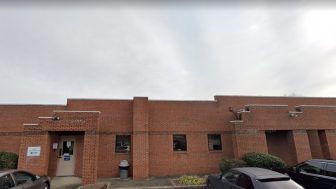
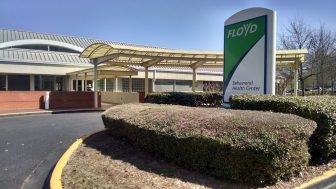
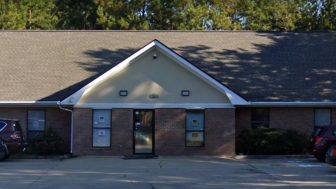
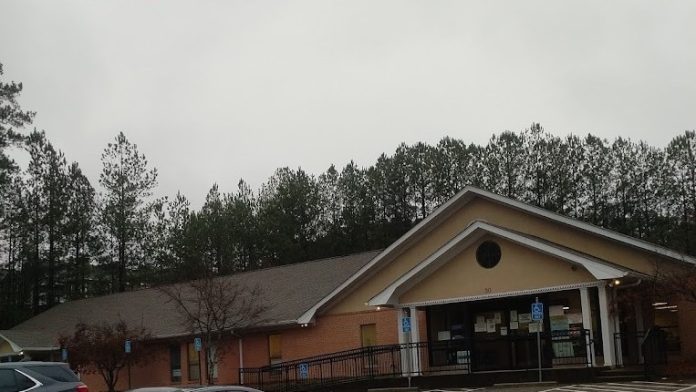
If you’re a veteran requiring mental health support, you can access tailored treatment at the Rome VA Clinic, as well as other primary healthcare services. A referral may be required at this location, but often, same-day help is available for clients in crisis. The Rome VA Clinic in Rome, Georgia is located in a quiet neighborhood, just off Highway 411.
While there are not many amenities in the general area, I found that there are a few hotels where you could stay if the clinic is a little out of your way. If it is difficult to get to the clinic in person, telehealth appointments are available, where you can receive treatment, talk about your recovery goals, and more.
Access to a Huge Network of VA Healthcare Specialists
To me, the advantage of accessing substance abuse treatment as a veteran at a VA Clinic is that care providers are well-informed about the veteran experience and the challenges you face. They keep these unique circumstances in mind, like PTSD, homelessness, and trouble with reintegration, when curating your personalized treatment plan.
The services you receive will be based on your needs and recovery goals and may include individual therapy, group counseling, medication assisted treatment (MAT), addiction education, reintegration counseling, and, if necessary, psychiatric services for co-occurring mental health conditions.
If your addiction issues are complicated or your chemical dependency requires detoxification with medical monitoring, you may be referred to another facility in the VA Health network that is better equipped to get you on the road to recovery.
Amenities
Private drug rehab provides a comfortable, secure environment that allows you to focus on doing the work to get your life back on track. Benefits include a higher staff-to-client ratio, increased one-on-one time with therapists and healthcare providers, private rooms for clients, and customized forms of therapy.
Addiction Treatment Programs
A young adult program in Georgia focuses on the motivations, challenges, and needs of this stage of life. Participants receive treatment tailored to this age bracket.
Treatment services at an adult program in Georgia are typically offered on a continuum of care. These intensity levels address unique needs as individuals progress through various stages of recovery.
The goal of alcohol rehab in Georgia is recovery. This is a process that helps individuals achieve remission from alcohol use disorder and refrain from unhealthy drinking habits. Treatment typically includes one-on-one and group therapy sessions.
By offering men’s rehab in Georgia, addiction treatment centers provide an outlet for men to build bonds with other men who are facing similar challenges. The relationships formed can help men reduce their risk of relapse.
Addiction and substance use treatment affect men and women differently. Women’s rehab in Georgia addresses the internal and external factors that women face which differ from men.
When you attend opioid rehab in Georgia, you’ll find a safe and comfortable atmosphere that allows you to navigate a path to a healthier life. Choose from inpatient or outpatient programs that surround you with support and give you the tools you need for sobriety.
Negative thought patterns can lead to substance abuse as a way to self-medicate. During cognitive behavioral therapy in Georgia, individuals learn how to identify and stop these negative patterns and manage them in healthy ways that don’t involve substances.
A quality drug rehab in Georgia can help you overcome addiction. This environment is designed to help you address the complex issues contributing to drug dependence. The goal of treatment is to give you the tools you need to make a full recovery.
For older adults in need of addition treatment, elderly rehab in Georgia offers a variety of treatment options. Levels of care include inpatient programs, outpatient treatment, medical detox, preventive services, and aftercare. Each is designed to meet the needs of senior clients..
LGBTQ-friendly rehab in Georgia addresses the unique needs of a diverse population. By tailoring treatment to meet these unique needs, rehabs can increase the chances of successful long-term recovery.
The needs of Veterans are different from other population groups. That’s why Veteran’s rehab in Georgia provides treatment that is designed with Veterans in mind. Programs incorporate the unique needs of Veterans while delivering effective addiction treatment.
Rational emotive behavioral therapy in Georgia is used to treat substance use disorders as well as co-occurring disorders such as anxiety, depression, phobias, and obsessive-compulsive behavior. Treatment involves identifying and disrupting irrational beliefs to alter behavior.
Levels of Care
For those with a moderate addiction, outpatient rehab in Georgia is often appropriate. This involves attending individual and group counseling sessions each week. Outpatient treatment may continue long-term if needed, until you are ready for the next stage of your recovery journey.
Both substance abuse and mental health disorders cause brain imbalances, so they often feed off each other. Treatment for dual diagnosis in Georgia provides access to addiction and mental health specialists, to effectively treat both conditions at once.
Alcohol and drug rehab in Georgia starts with detox. You’ll be under 24/7 supervision, while medical personnel provide care and medication to alleviate withdrawal symptoms. Over a period of about a week, all addictive substances will be cleansed from your body.
Drug rehab in Georgia often starts with intervention services. Staff intervention specialists serve as a valuable point of contact for family members, helping with the planning and execution of interventions and following up with key resources and guidance on getting someone on the right path to recovery.
A form of outpatient drug rehab in Georgia known as a partial hospitalization program (PHP) allows you to participate in treatment activities during the day and return home at night. It's structured to meet your needs and often involves treatment methods similar to inpatient rehab.
Accreditations
Contact Information


 Sponsored