
Association for Multicultural Behavioral Health
6650 N Northwest Hwy
#215
Chicago, IL 60631
 Sponsored
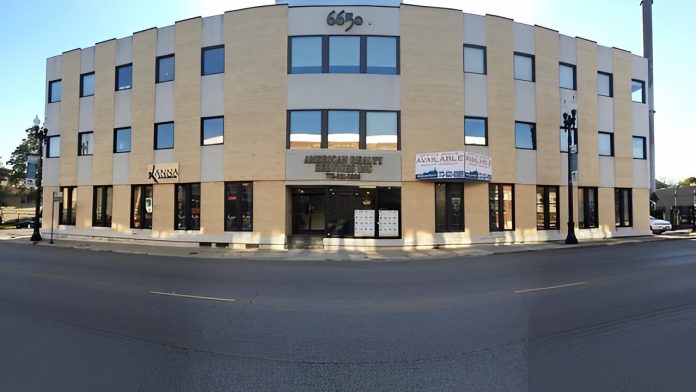
About Association for Multicultural Behavioral Health
The Association for Multicultural Behavioral Health is a private, nonprofit mental and behavioral health provider in Chicago, Illinois. The organization offers a complete compendium of care and support for people with substance use disorders, co-occurring mental illnesses, and related challenges. There’s a special track for DUIs and DOT personnel.
As their name denotes, they specialize in working with people from diverse backgrounds, and provide inclusive, culturally informed and respectful services for all. It’s by Olympia Park and Edison Park.
Multilingual Assistance for Linguistically Diverse Clients
If you or a loved one don’t speak English as a first language, you might worry about communicating with your treatment provider. One fantastic thing about the Association for Multicultural Behavioral Health is that their diverse team reflects their clientele, with staff members from various backgrounds, ethnicities, and cultures. I think it’s awesome that they offer services in multiple different languages including, but not limited to, Russian, Spanish, Polish, Czech, Croatian, Bosnian, and Ukrainian.
Additionally, they can assist you with challenges like U visas, T visas, asylum claims, and VAWA. These processes can be overwhelming and stressful even for someone who isn’t struggling with mental health or substance use, so I love that they’re willing to go the extra mile to offer this support.
Distinct Programs for Clients With Complex Needs
In addition to specialized support for people from diverse cultural backgrounds, the Association for Multicultural Behavioral Health provides distinct programs for clients with complex health needs and life experiences. This includes pregnant and postpartum women, a demographic many alcohol and drug rehab providers are ill equipped to support.
They also have dedicated programs for people who’ve been involved with the justice system and those who’ve experienced trauma, as well as people who’ve endured sexual abuse or intimate partner violence/domestic abuse. I think that’s really important, since certain groups may need particular services that the general population may not require.
Amenities
Taking time away from a demanding corporate job to attend drug rehab may seem impossible, but executive drug rehab programs combine cutting edge addiction treatment with executive amenities like Wi-Fi, access to computers, and conference calling so you can take care of your health and stay on top of business.
Residential drug rehab provides the comforts of home with the therapeutic support needed to successfully recover. Benefits of an inpatient program include increased safety, a higher success rate, and the time and distance given to focus on recovery. Residential drug rehabs are often the preferred method of treatment, as they can be tailored to meet specific needs, offer focused therapeutic care, and provide the necessary tools to sustain recovery.
Addiction Treatment Programs
Individuals who are struggling with addiction to drugs or alcohol can get support at an adult program in Illinois. Designed for men and women over the age of 18, these programs offer rehabilitation treatment and recovery services.
Each alcohol rehab in Illinois is unique, but most include three basic aspects of treatment: medical detox, psychotherapy, and medication. Through these methods, participants receive treatment for the physical, mental, and emotional aspects of alcohol use disorder.
In Illinois, cognitive behavioral therapy is an effective method for addiction treatment. It teaches effective communication skills, provides tools to help people improve mood, and empowers participants to dismiss insecurities that can lead to substance abuse.
Women who have substance use disorders are more likely than men to have co-occurring mental health disorders. Women’s rehab in Illinois often provides treatment for dual diagnosis, so women can get help for their addiction and disorders such as anxiety or depression.
Men’s rehab in Illinois typically includes individual, group, and family therapies. Group sessions are conducted with men only, which encourages greater vulnerability and sharing opportunities among participants.
Learn the skills you need to break free from opioid dependence at opioid rehab in Illinois. Program options include detox, inpatient rehab, outpatient rehab, counseling, and medication assisted treatment programs, which are tailored to meet the needs of the individual.
Many substance abuse treatment plans include rational emotive behavioral therapy in Illinois. This treatment replaces negative decisions with healthy ones, helps prevent relapse, provides conflict-resolution skills, and improves interpersonal relationships.
Women who have substance use disorders are more likely than men to have co-occurring mental health disorders. Women’s rehab in Illinois often provides treatment for dual diagnosis, so women can get help for their addiction and disorders such as anxiety or depression.
Some of the most common services offered in a young adult program in Illinois include individual and group counseling, medication management, educational courses, and 12-step programs. These programs are tailored to address the challenges of this stage of life.
Levels of Care
Outpatient rehab in Illinois may be brief or long-term, depending on the individual. During this time, you will maintain membership in a support group as well as attend one-on-one counseling sessions. The focus is ongoing development of life skills that will prevent relapse.
Aftercare rehab in Illinois lowers the chance of relapse. This program offers support to help you face challenges after you successfully complete rehab. By providing guidance, accountability, and assistance with basic life skills, aftercare gives you confidence to navigate temptations and maintain sobriety.
An Illinois dual diagnosis program treats both your mental health and recovery needs. Psychiatrists and addiction specialists work together to address co-occurring disorders, such as depression, anxiety, or ADHD.
Accreditations
Accepted Insurance



Contact Information


 Sponsored
Nearby Treatment Centers
4701 N Cumberland Ave
# 28
Norridge, IL 60706

4200 N Oak Park Ave
Chicago, IL 60634
7435 W Talcott Ave
Chicago, IL 60631
1775 Dempster St
5th Floor
Park Ridge, IL 60068
