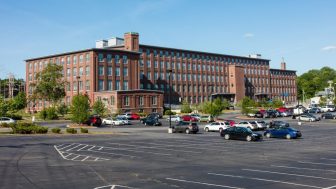
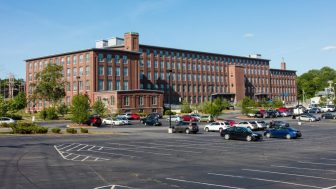
Ascentria Care Alliance Waterville Services
179 Main Street
Suite 413
Waterville, ME 04901
 Sponsored
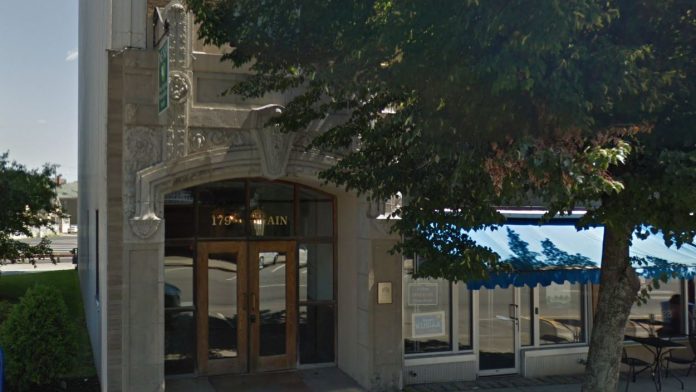
About Ascentria Care Alliance Waterville Services
Ascentria Care Alliance Waterville Services is a mental health and addiction treatment provider located in Waterville, Maine. They offer both outpatient and residential support for adults with cooccurring mental health and substance use challenges.
The program serves adults through individualized treatment planning, case management and community based services. I'm especially impressed by their 150 year legacy, combining evidence based care with a compassionate and human centered approach.
Case Management and In Home Support
I like the flexibility of their outpatient addiction therapy, which allows clients to live at home while attending regular counseling and group sessions, or to choose residential care options that provide a more immersive recovery environment.
Treatment begins with individualized assessment and planning to address both substance use and mental health needs.
Programs include Dialectical Behavior Therapy groups for individuals struggling with overwhelming emotions and self harming behaviors, along with medication management, cognitive and behavior therapies and dual diagnosis treatment.
Ascentria Care Alliance also integrates case management and in home support to help clients build stability and address social determinants of health.
Amenities
Private drug rehab provides a comfortable, secure environment that allows you to focus on doing the work to get your life back on track. Benefits include a higher staff-to-client ratio, increased one-on-one time with therapists and healthcare providers, private rooms for clients, and customized forms of therapy.
Residential drug rehab provides the comforts of home with the therapeutic support needed to successfully recover. Benefits of an inpatient program include increased safety, a higher success rate, and the time and distance given to focus on recovery. Residential drug rehabs are often the preferred method of treatment, as they can be tailored to meet specific needs, offer focused therapeutic care, and provide the necessary tools to sustain recovery.
Addiction Treatment Programs
A rehab adult program in Maine is designed for men and women ages 18 and older who are seeking help with addiction to drugs or alcohol. Programs vary, but many offer both inpatient and outpatient rehab and incorporate both individual and group therapy methods in treatment.
The challenges men face when battling addiction are often different than women. That’s why men’s rehab in Maine is designed to distinctly treat men and their unique needs.
Seniors who are struggling with addiction can find a recovery haven at elderly rehab in Maine. These programs provide a safe space among peers where seniors are comfortable sharing and participating more, which generates better recovery outcomes.
Women’s rehab in Maine allows women in treatment to feel more comfortable and safer during treatment and achieve better recovery outcomes. This is due to the gender-specific treatment they receive and the peer connections they can form during treatment.
Adolescence is a time of unique social pressures and challenges. A young adult program in Maine addresses the recovery needs of individuals in this stage of life and gives them the tools they need to navigate it successfully.
Levels of Care
For those who have successfully completed inpatient treatment, an outpatient rehab in Maine is often the next step. This treatment offers accountability and continued support, while you live at home and return to other responsibilities such as work and family. Outpatient rehab may last for a few weeks, months, or years, depending on your recovery needs.
Dual diagnosis treatment in Maine actively treats co-occurring mental health disorders, such as bipolar disorder, anxiety, or depression, as well as addiction. Common methods include medication management, behavior and cognitive therapies, and counseling.
Contact Information


 Sponsored