
Appalachian Community Services Macon County
100 Thomas Heights Road
Suite 206
Franklin, NC 28734
 Sponsored
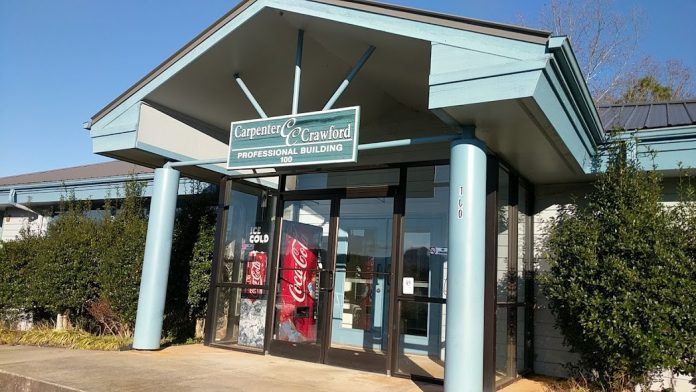
About Appalachian Community Services Macon County
Appalachian Community Services in Franklin, North Carolina is a CARF accredited treatment center that makes both inpatient and outpatient services available to its clients.
This particular location of ACS serves Macon County. Located in the heart of the Gem Capital of the World, they provide comprehensive treatment options to help both begin and maintain your recovery.
Adult Inpatient Recovery
If you need inpatient recovery services, Appalachian Community Services' Adult Recovery Unit in Waynesville provides 24 hour residential care for those with co occurring diagnoses between the ages of 18 and 64. There, you'll have access to psychiatric assessments and an aftercare to help you maintain recovery after discharge.
Substance Abuse Intensive Outpatient Program
I was impressed by how ACS offers a substance abuse intensive Outpatient program. In this program, you'll receive all the care and support you need as you meet your other family or professional commitments because you can continue living at home but have an extensive and structured treatment schedule.
This program offers pretty much every service you'll need in your recovery journey, with disease management and relapse prevention strategies that integrate both community and social support systems.
Flexible Payment Options and CARF Accreditation
A financial hardship shouldn't prevent you from receiving the care and support you need. Appalachian Community Services accepts Medicaid, Medicare, and self payment with a sliding fee structure that makes your costs affordable for your income. I was glad to see they're accredited by CARF, which ensures you'll receive evidence based, effective treatment.
Recovery in a Quaint Appalachian Town
If you need to take a break from treatment, Franklin has tons to explore. Most notably, the Franklin Gem and Mineral Museum, along with the various gem mines around Macon County, are worth a look.
For some great coffee, homemade quiches, and flatbreads, Rathkellers is a hidden gem on Main Street, just behind the strip. For some heartier fare, Caffe Rel is a local favorite for pot roast, mussels, bacon wrapped scallops, and classic cappuccinos.
So if you're looking for a recovery center with comprehensive inpatient and outpatient programs, Appalachian Community Services might be a good fit with their holistic care incorporating both therapeutic and medical services.
Amenities
In order to maintain a sense of autonomy, many private rehab facilities offer clients the ability to choose their own private rooms. The privacy and personal space ensure that the recovery process is as comfortable as possible.
Addiction treatment in the metro area benefits clients by offering seamless connections from the city, around the state, and those seeking out-of-state treatment. Another benefit of attending a metro area drug rehab is that you’re close to major airports and ground transportation services.
Business centers are a preferred amenity in many mental health and addiction recovery facilities and typically feature secure, high-speed internet, computer stations, printers, and related business technologies. Business centers are designed to enable professionals and students to continue to participate in work or school activities without leaving the treatment facility.
Addiction Treatment Programs
When individuals participate in a young adult program in North Carolina, they feel more at ease in a setting that is age-appropriate. Activities, therapies, and aesthetics are all tailored for this age group, so participants can feel comfortable and are more likely to complete the program.
An adult program in North Carolina typically combines individual and group counseling, medical treatment, and various other therapies to treat substance use disorders. Treatment can take place in an inpatient or outpatient setting.
Alcohol rehab in North Carolina is a course of treatments that helps participants overcome alcohol dependency. Treatments address physical, mental, and emotional aspects of substance use disorder and help the individual develop healthy habits for long-term recovery.
Men’s rehab in North Carolina offers customized treatment for men. These programs provide personalized treatment that is designed with the unique needs of men in mind.
Women’s rehab in North Carolina allows women to receive gender-specific treatment tailored to their needs. Programs are available for alcohol, heroin, prescription drugs, benzos, and any other addictive substances, as well as co-occurring disorders.
Many therapists use cognitive behavioral therapy in North Carolina to treat substance use disorders. This goal-oriented method addresses maladaptive thinking and related beliefs that affect behaviors and can lead to addiction.
There are many types of drug rehab in North Carolina. To receive treatment for addiction, you can choose from many inpatient and outpatient programs. Often, participants start with detox and work through a full continuum of care that continues with ongoing support for long-term recovery.
Elderly rehab in North Carolina provides specialized treatment for addiction among adults ages 55 and older or 65 and older. This treatment typically addresses dual diagnosis, substance use disorder, and age-specific concerns of seniors.
Levels of Care
Outpatient rehab in North Carolina is often the next step for those who complete an inpatient program. This less restrictive treatment involves several hours of therapy per week, and accountability through 12-step meetings such as AA. You’ll continue this treatment as long as needed, which could be weeks, months, or years.
Some of the most common co-occurring mental health disorders include anxiety, depression, and eating disorders. When these are present alongside substance use disorder, dual diagnosis treatment in North Carolina is necessary to address both conditions.
Aftercare rehab in North Carolina is a crucial part of relapse prevention. It gives you access to resources that will help you manage stress and overcome life hurdles. Typical services include career coaching, financial guidance, and ongoing counseling and emotional support. These may continue for a few months or more than a year after initial rehab.
When you choose inpatient drug rehab in North Carolina, you’ll live at a rehab facility for 28 to 90 days, depending on the program. Typical methods of treatment include group and individual therapy and family counseling.
Recovery journeys often begin with intervention services in North Carolina. This treatment tool provides key support in planning and facilitating an effective intervention. Intervention specialists can also provide resources to develop treatment plans and guide families through the admission process.
Partial hospitalization programs (PHPs) in North Carolina give you structured treatment during the day but allow you to return home at night. PHPs can include elements like group therapy, individual counseling, and medication management.
Accreditations
Contact Information


 Sponsored
Nearby Treatment Centers
44 Bonnie Ln
Sylva, NC 28779
747 S Haywood St
Waynesville, NC 28786

448 Sequoyah Trail Drive Cherokee
Cherokee, NC 28719
674 Highlands Road
Franklin, NC 28734
