Andrews Center
 Sponsored
About Andrews Center
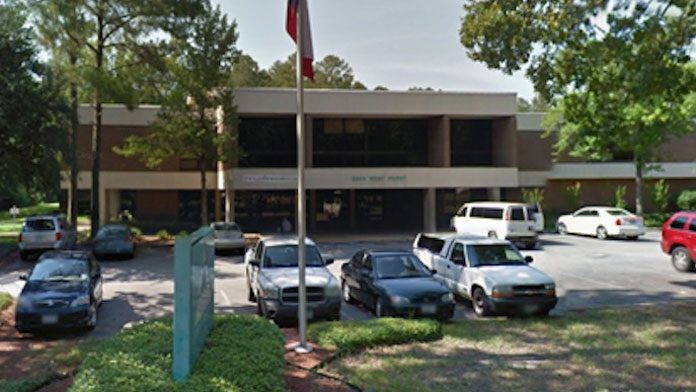
Andrews Center is a nonprofit behavioral health and substance use disorder treatment program in Tyler, Texas, serving a five-county East Texas region that includes Smith, Henderson, Rains, Van Zandt and Wood counties.
As the designated Local Mental Health Authority (LMHA) for the area and a Certified Community Behavioral Health Clinic (CCBHC), Andrews Center offers outpatient SUD counseling for both adults and adolescents alongside mental health services and 24/7 crisis support.
The organization, I've found, is grounded in trauma informed care and is committed to serving clients regardless of their financial situation.
Adolescent and Adult Outpatient Programs with Relapse Tracks
Adults can access two structured outpatient tracks: a 90-day Intensive Outpatient Program (IOP) featuring weekly individual counseling and three-hour group sessions three times per week, and a 45-day Relapse Track with flexible morning in-person and evening virtual group options.
Adolescents ages 13 to 17 can enroll in the Adolescent Intensive Outpatient Program (AIOP), a six-month program that includes individual counseling, family sessions and co-occurring disorder treatment.
Across programs, I've found that the Andrews Center incorporates evidence based methods including CBT, motivational interviewing, the Matrix Model and relapse prevention planning.
OSAR screening and referral services are also available to help clients find the appropriate level of care, including coordination for outside inpatient placement when needed.
Quick Facts: Andrews Center in Tyler, TX
- Location: 2323 West Front Street, Tyler, Texas, serving a five-county East Texas area
- Levels of care: Adult IOP, Adult Relapse Track and Adolescent Intensive Outpatient Program
- Who they treat: Adults and adolescents (ages 13 to 17), including court- and CPS-involved clients and those with co-occurring disorders
- Approach: Trauma informed, evidence based care using CBT, motivational interviewing and the Matrix Model
- Payment options: Medicaid, Medicare, private insurance, TRICARE, self-pay and sliding fee scale based on income
- Access: Hybrid programming available with in-person and evening virtual group options; 24/7 crisis hotline
Amenities
Residential drug rehab provides the comforts of home with the therapeutic support needed to successfully recover. Benefits of an inpatient program include increased safety, a higher success rate, and the time and distance given to focus on recovery. Residential drug rehabs are often the preferred method of treatment, as they can be tailored to meet specific needs, offer focused therapeutic care, and provide the necessary tools to sustain recovery.
In order to maintain a sense of autonomy, many private rehab facilities offer clients the ability to choose their own private rooms. The privacy and personal space ensure that the recovery process is as comfortable as possible.
Art and music are mediums that connect with our feelings, making them a great recovery tool during addiction treatment. Studies show that combining art/music and drug rehab can have a greater therapeutic impact than drug rehab alone, as you’re able to access parts of your brain and body that you may not have access to during traditional talk therapy. Benefits of art/music therapy include lowering stress and anxiety, promoting healthy neurochemicals, and providing stress relief.
Addiction Treatment Programs
The goal of a young adult program in Texas is to set young people free from the effects of addiction and give them the skills they need to successfully navigate early adulthood. This is accomplished with age-appropriate settings, therapies, and activities.
The Lone Star State offers a host of options for those in search of an adult program in Texas. From inpatient to outpatient care, adults can find a program that meets their needs for effective treatment of substance use issues.
Men’s rehab in Texas can create an environment that makes men more comfortable. Many men in Texas seek out this type of treatment for its gender-specific benefits.
Many gender-specific issues must be addressed during addiction recovery. Women’s rehab in Texas provides the appropriate support for women’s challenges such as body image, motherhood, and trauma.
Elderly rehab in Texas provides treatment that is best-suited for the age, physical condition, and emotional condition of each participant. Staff are trained in geriatric issues and customize addiction treatment to address these concerns.
Many gender-specific issues must be addressed during addiction recovery. Women’s rehab in Texas provides the appropriate support for women’s challenges such as body image, motherhood, and trauma.
Many Veterans can benefit from Veteran’s rehab in Texas. These programs include drug and alcohol detox services, 12-step groups, psychotherapy, relapse prevention, and sober living homes.
EMDR Therapy is a neurobiological treatment modality used to address trauma disorders and related mental and behavioral health challenges. Short for eye movement desensitization and reprocessing, EMDR is designed to help clients cope with distressing memories and emotions, including fear, sadness, and anger. EMDR may help clients in addiction recovery manage the psychological and emotional triggers that contribute to substance misuse and/or addiction relapse.
While in a drug rehab in Texas, you’ll deal with underlying issues that contribute to addiction. By addressing these challenges and learning healthy ways to cope with them, you’ll develop strategies that help you live a drug-free lifestyle.
Levels of Care
Outpatient rehab in Texas provides a means for addition treatment while you live at home. You will attend regular therapy sessions and typically maintain involvement with a 12-step program. Because it is tailored for each person’s needs, there is no set timeline for completion of outpatient rehab.
A dual diagnosis treatment center in Texas provides programs for people who struggle with both substance abuse and mental illness. Treating both disorders through an integrated approach is essential for recovery.
The initial weeks and months after rehab treatment are often the most difficult. Aftercare rehab in Texas is designed to help you successfully navigate these challenging times and maintain sobriety. You’ll receive emotional, mental, and practical supports, for up to a year or more after treatment.
Inpatient drug rehab in Texas can last from a few weeks to mor than 90 days. During that time, you live at the facility and receive round-the-clock supervised care. Treatment typically includes individual and group therapy.
Detox in Texas is your first step toward a drug-free future. During this phase, your systems are cleansed of all addictive substances. You’ll receive 24/7 care, which may include medication to alleviate withdrawal symptoms.
Accreditations
Contact Information


 Sponsored
Rehabs.org regularly reviews this listing for accuracy but changes may occur between updates. For the most up-to-date information, please contact Andrews Center.