UChicago Medicine AdventHealth GlenOaks
701 Winthrop Avenue
Glendale Heights, IL 60139
 Sponsored
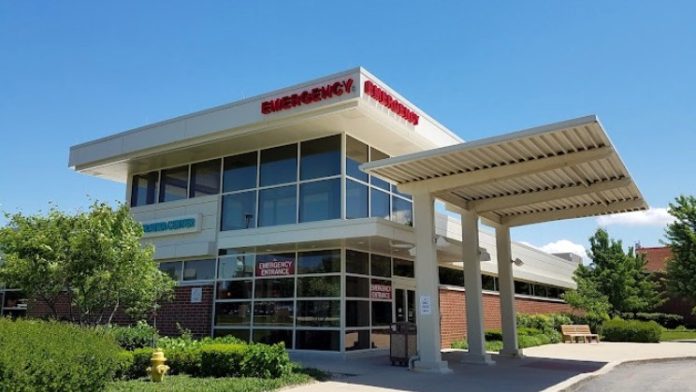
About UChicago Medicine AdventHealth GlenOaks
UChicago Medicine AdventHealth GlenOaks is an acute care hospital in Glendale Heights providing inpatient medically assisted detox services for adults in Chicago's western suburbs.
I'm impressed by their hospital based program, treating substance use disorders including alcohol, opioids, benzodiazepines and other substances with medical monitoring, therapeutic supports and coordinated discharge planning.
I like how their care follows a whole person approach that addresses withdrawal alongside any cooccurring medical or mental health conditions.
Medically Assisted Detox in a Hospital Setting
UChicago Medicine AdventHealth GlenOaks delivers inpatient detox within a full service acute care hospital, enabling comprehensive medical monitoring and treatment during withdrawal and stabilization.
The program provides medically supervised withdrawal management with anti craving medications plus integrated behavioral health support including individual and group therapy, counseling, and social work services.
Sessions target both immediate withdrawal symptoms and underlying issues, with expressive approaches like art or music therapy available as part of dual diagnosis support.
Coordinated Transition Planning and Ongoing Support
The detox program emphasizes connection to ongoing recovery resources through structured discharge planning.
Before leaving, patients work with staff to identify and connect with rehab providers or outpatient services helping bridge the gap from stabilization to sustained recovery.
Amenities
In order to maintain a sense of autonomy, many private rehab facilities offer clients the ability to choose their own private rooms. The privacy and personal space ensure that the recovery process is as comfortable as possible.
Addiction treatment in the metro area benefits clients by offering seamless connections from the city, around the state, and those seeking out-of-state treatment. Another benefit of attending a metro area drug rehab is that you’re close to major airports and ground transportation services.
Business centers are a preferred amenity in many mental health and addiction recovery facilities and typically feature secure, high-speed internet, computer stations, printers, and related business technologies. Business centers are designed to enable professionals and students to continue to participate in work or school activities without leaving the treatment facility.
Addiction Treatment Programs
Some of the most common services offered in a young adult program in Illinois include individual and group counseling, medication management, educational courses, and 12-step programs. These programs are tailored to address the challenges of this stage of life.
Individuals who are struggling with addiction to drugs or alcohol can get support at an adult program in Illinois. Designed for men and women over the age of 18, these programs offer rehabilitation treatment and recovery services.
Men’s rehab in Illinois typically includes individual, group, and family therapies. Group sessions are conducted with men only, which encourages greater vulnerability and sharing opportunities among participants.
Women who have substance use disorders are more likely than men to have co-occurring mental health disorders. Women’s rehab in Illinois often provides treatment for dual diagnosis, so women can get help for their addiction and disorders such as anxiety or depression.
Each alcohol rehab in Illinois is unique, but most include three basic aspects of treatment: medical detox, psychotherapy, and medication. Through these methods, participants receive treatment for the physical, mental, and emotional aspects of alcohol use disorder.
Drug rehab in Illinois is designed to help men and women recover from drug addiction. The length of the program and its intensity vary, based on the individual’s needs. It’s important to find the right program to suit your unique situation and challenges.
Elderly rehab in Illinois encompasses a full range of treatment options. Addiction treatment for seniors includes detox programs, outpatient treatment, residential programs, medication assisted treatment, case management, and dual diagnosis.
In Illinois, cognitive behavioral therapy is an effective method for addiction treatment. It teaches effective communication skills, provides tools to help people improve mood, and empowers participants to dismiss insecurities that can lead to substance abuse.
Levels of Care
Outpatient rehab in Illinois may be brief or long-term, depending on the individual. During this time, you will maintain membership in a support group as well as attend one-on-one counseling sessions. The focus is ongoing development of life skills that will prevent relapse.
Inpatient rehab in Illinois features intensive clinical supervision and a highly structured and supportive environment, meaning this level of care is especially well suited for clients just beginning their recovery journey and those at risk of relapse.
An Illinois dual diagnosis program treats both your mental health and recovery needs. Psychiatrists and addiction specialists work together to address co-occurring disorders, such as depression, anxiety, or ADHD.
In many cases, drug rehab in Illinois begins with intervention. Professional intervention services are available to help you facilitate an intervention, develop a treatment plan, and choose the program that best suits your loved one’s needs.
Accreditations
Accepted Insurance


















Contact Information


 Sponsored