
Amani Residential Human Services
111 West Boulevard
Williamston, NC 27892
 Sponsored
About Amani Residential Human Services
Amani Residential Human Services offers inpatient rehabilitation and residential long term addiction and mental health care for children and adolescents. The program is CARF accredited and recognized for quality services by the Substance Abuse and Mental Health Services Administration (SAMHSA).
The facility is in Williamston, North Carolina. I like that they accept so many forms of payment, including Medicaid, private health insurance, military insurance, and many types of philanthropic funds such as state mental health agency funds.
Serving Adolescents and Children With Substance Use Disorder (SUD)
The treatment facility is in Williamston, five miles from the Roanoke River National Wildlife Refuge. There are special programs tailored to youths 7 to 17 years of age that include SUD treatment and support for clients with serious emotional disturbance and other mental health challenges.
They offer focused care for trauma survivors and those with post traumatic stress disorder. I think young clients will thrive with the simultaneous treatment of dual diagnosis disorders, such as substance use and mental health issues.
Treatment in a Comfortable and Secure Setting
I think clients will like the facility that provides a home like environment with private rooms, ensuring individuals have comfort and space. The dedicated team includes therapists, paraprofessionals, and other qualified staff.
Clients focus on life skills training, including the skills necessary for healthy and sober daily living. They also work on self discipline. Therapeutic approaches include individual therapy sessions and group therapy.
Unique Treatment Options
Activity therapy is incorporated into the program and includes activities that promote well being. These may include physical activities, music and art therapy, animal assisted therapies, and other activities. Therapists use treatment modalities such as cognitive behavioral therapy to help individuals recognize and change negative thought patterns.
Amenities
Private drug rehab provides a comfortable, secure environment that allows you to focus on doing the work to get your life back on track. Benefits include a higher staff-to-client ratio, increased one-on-one time with therapists and healthcare providers, private rooms for clients, and customized forms of therapy.
Residential drug rehab provides the comforts of home with the therapeutic support needed to successfully recover. Benefits of an inpatient program include increased safety, a higher success rate, and the time and distance given to focus on recovery. Residential drug rehabs are often the preferred method of treatment, as they can be tailored to meet specific needs, offer focused therapeutic care, and provide the necessary tools to sustain recovery.
Recreational therapy uniquely combines therapeutic interventions with an activity, like horse-riding, hiking, wilderness therapy, basketball, tennis, or a full workout. Benefits of recreational therapy include providing a healthy way to work through the emotions of recovery, learning to build and maintain relationships, improving communication skills, and building self-esteem.
In order to maintain a sense of autonomy, many private rehab facilities offer clients the ability to choose their own private rooms. The privacy and personal space ensure that the recovery process is as comfortable as possible.
Addiction Treatment Programs
When individuals participate in a young adult program in North Carolina, they feel more at ease in a setting that is age-appropriate. Activities, therapies, and aesthetics are all tailored for this age group, so participants can feel comfortable and are more likely to complete the program.
An adult program in North Carolina typically combines individual and group counseling, medical treatment, and various other therapies to treat substance use disorders. Treatment can take place in an inpatient or outpatient setting.
Alcohol rehab in North Carolina is a course of treatments that helps participants overcome alcohol dependency. Treatments address physical, mental, and emotional aspects of substance use disorder and help the individual develop healthy habits for long-term recovery.
Men’s rehab in North Carolina offers customized treatment for men. These programs provide personalized treatment that is designed with the unique needs of men in mind.
To overcome opioid addiction, attend opioid rehab in North Carolina. Treatment takes place in inpatient or outpatient care, using a variety of therapies, medications, and other helpful interventions. Length of treatment caries, typically lasting 30, 60, or 90 days.
Many therapists use cognitive behavioral therapy in North Carolina to treat substance use disorders. This goal-oriented method addresses maladaptive thinking and related beliefs that affect behaviors and can lead to addiction.
There are many types of drug rehab in North Carolina. To receive treatment for addiction, you can choose from many inpatient and outpatient programs. Often, participants start with detox and work through a full continuum of care that continues with ongoing support for long-term recovery.
The goal of rational emotive behavioral therapy in North Carolina is to help you develop healthy emotional, behavioral, and cognitive patterns so you can increase your quality of life and achieve sobriety goals. This is accomplished by increasing healthy, rational beliefs.
Fitness therapy is an evidence-based complementary approach to addiction recovery and mental health care. Based on mounting scientific evidence of the benefits of physical activity in improving mood, enhancing clients’ sense of wellbeing, and decreasing depression and anxiety, fitness therapy encompasses a wide spectrum of intensities, from gentle yoga, qigong, and tai chi to weight training, kickboxing, and other highly physical activities.
Levels of Care
Some of the most common co-occurring mental health disorders include anxiety, depression, and eating disorders. When these are present alongside substance use disorder, dual diagnosis treatment in North Carolina is necessary to address both conditions.
When you choose inpatient drug rehab in North Carolina, you’ll live at a rehab facility for 28 to 90 days, depending on the program. Typical methods of treatment include group and individual therapy and family counseling.
Nearly all drug rehabs in North Carolina begin with a detox program. When this process is complete, all addictive substances will be purged from your body. You can then move on to the next steps of drug rehab in North Carolina.
Recovery journeys often begin with intervention services in North Carolina. This treatment tool provides key support in planning and facilitating an effective intervention. Intervention specialists can also provide resources to develop treatment plans and guide families through the admission process.
Accreditations
Contact Information


 Sponsored
Nearby Treatment Centers

116 Health Drive
Greenville, NC 27834
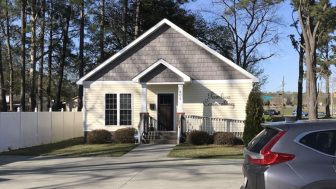
408 E 11th St
Washington, NC 27889
216 W Stewart Pkwy
Washington, NC 27889
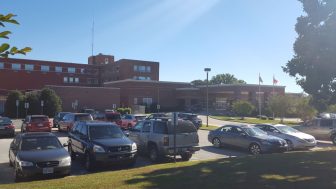
628 E 12th St
Washington, NC 27889
