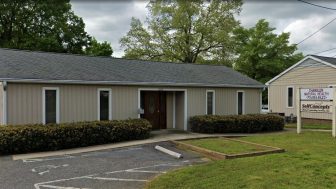
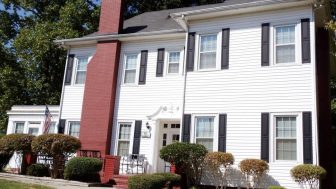
Gaston County Restorative Justice Center
810 W Mauney Ave
Gastonia, NC 28052
 Sponsored
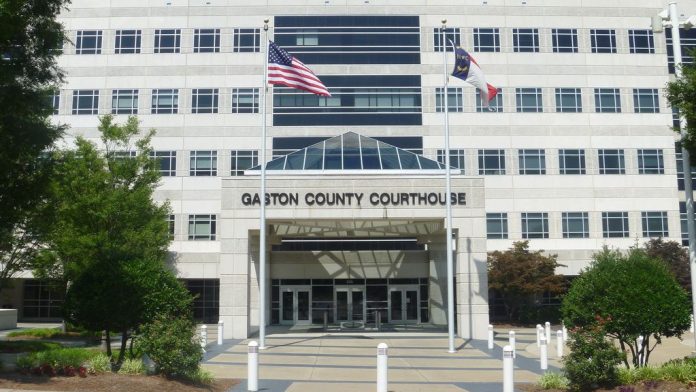
About Gaston County Restorative Justice Center
Gaston County Restorative Justice Center is an addiction and mental health treatment facility dedicated to helping juveniles who have just had contact with the justice system for the first time. The goal is to restore and heal the adolescent to avoid future issues with the law or substances.
The services offered by this facility are funded by the Gaston County Juvenile Crime Prevention Council, so no insurance or payments are necessary. I like that there’s not a cost barrier to teenagers getting help early in life when they need it.
Restitution Program for Teenagers
The Juvenile Restitution Program was founded by the Gaston County Juvenile Crime Prevention Council. The program specifically caters to adolescents under the age of 17 who have recently come into contact with the juvenile justice system.
The adolescents are typically accused of a crime and referred by a court of law to pay restitution or participate in a specified amount of community service.
To fulfill these court requirements, adolescents in the Juvenile Restitution Program typically work in various local locations like the YMCA, DHHS, and Gaston County Parks & Recreation Departments.
Some of the most common types of restitution projects include cleaning up public spaces and cleaning up trash. All projects are conducted under adult supervision.
Healing the Youth in Gaston County Since 1998
The Juvenile Restitution Program was implemented in 1998. One of the most amazing things I saw about this program is the success rate of the treatment method. Since the teens have to work towards their goals and are held directly responsible for their actions, very few reoffend.
According to the facility’s website, an overwhelming 96% of the young adolescents who go through this program go on to never reoffend. They typically become healthier, more productive adults.
Addiction Treatment Programs
An adult program in North Carolina typically combines individual and group counseling, medical treatment, and various other therapies to treat substance use disorders. Treatment can take place in an inpatient or outpatient setting.
Alcohol rehab in North Carolina is a course of treatments that helps participants overcome alcohol dependency. Treatments address physical, mental, and emotional aspects of substance use disorder and help the individual develop healthy habits for long-term recovery.
Many therapists use cognitive behavioral therapy in North Carolina to treat substance use disorders. This goal-oriented method addresses maladaptive thinking and related beliefs that affect behaviors and can lead to addiction.
There are many types of drug rehab in North Carolina. To receive treatment for addiction, you can choose from many inpatient and outpatient programs. Often, participants start with detox and work through a full continuum of care that continues with ongoing support for long-term recovery.
Men’s rehab in North Carolina offers customized treatment for men. These programs provide personalized treatment that is designed with the unique needs of men in mind.
To overcome opioid addiction, attend opioid rehab in North Carolina. Treatment takes place in inpatient or outpatient care, using a variety of therapies, medications, and other helpful interventions. Length of treatment caries, typically lasting 30, 60, or 90 days.
Women’s rehab in North Carolina allows women to receive gender-specific treatment tailored to their needs. Programs are available for alcohol, heroin, prescription drugs, benzos, and any other addictive substances, as well as co-occurring disorders.
When individuals participate in a young adult program in North Carolina, they feel more at ease in a setting that is age-appropriate. Activities, therapies, and aesthetics are all tailored for this age group, so participants can feel comfortable and are more likely to complete the program.
Levels of Care
Outpatient rehab in North Carolina is often the next step for those who complete an inpatient program. This less restrictive treatment involves several hours of therapy per week, and accountability through 12-step meetings such as AA. You’ll continue this treatment as long as needed, which could be weeks, months, or years.
Aftercare rehab in North Carolina is a crucial part of relapse prevention. It gives you access to resources that will help you manage stress and overcome life hurdles. Typical services include career coaching, financial guidance, and ongoing counseling and emotional support. These may continue for a few months or more than a year after initial rehab.
Recovery journeys often begin with intervention services in North Carolina. This treatment tool provides key support in planning and facilitating an effective intervention. Intervention specialists can also provide resources to develop treatment plans and guide families through the admission process.
Contact Information


 Sponsored