
All Good Things Recovery
 Sponsored
About All Good Things Recovery
All Good Things Recovery is a nonprofit housing program in Philadelphia, Pennsylvania. I've learned that they have structured sober living here for people who are navigating substance use and mental health recovery.
Their core service is a recovery residence experience that lasts 6 to 9 months and helps you with healthy routines, life skills, accountability and long term abstinence.
A Transition from Rehab to Independence
The program centers on housing and sober living, with intake meetings that cover house rules, resident expectations, recovery needs and aftercare options.
As a resident here, you’ll have access to daily 12 step meetings, faith based groups and intensive outpatient centers.
You can also receive mental health care and drug and alcohol assessment referrals through a partner of the program that’s a nonprofit outpatient center.
All Good Things Recovery serves men and women who struggle with chemical dependency, mental illness and related conditions.
Extra Support in Philadelphia
I've learned the program can also help you with getting an ID and other documents you’ll need for independence.
They help as well with public benefits advocacy and residency letters, helping you access medical and food stamp benefits.
Staff also offer judicial advocacy through verification letters and progress reports for agencies or courts, which is helpful if you’re on parole or probation or if you have requirements to meet for the courts.
This recovery home is on 19th Street in Philadelphia. It’s one of several All Good Things Recovery homes throughout the city.
Amenities
Private drug rehab provides a comfortable, secure environment that allows you to focus on doing the work to get your life back on track. Benefits include a higher staff-to-client ratio, increased one-on-one time with therapists and healthcare providers, private rooms for clients, and customized forms of therapy.
Residential drug rehab provides the comforts of home with the therapeutic support needed to successfully recover. Benefits of an inpatient program include increased safety, a higher success rate, and the time and distance given to focus on recovery. Residential drug rehabs are often the preferred method of treatment, as they can be tailored to meet specific needs, offer focused therapeutic care, and provide the necessary tools to sustain recovery.
Yoga and meditation are great activities to support your recovery process during alcohol or drug rehab. These therapies have been around for centuries, and they are an effective way to improve well-being. Combining addiction treatment, yoga, and meditation can reduce cravings, improve sleep, relieve anxiety and depression, provide stress relief, promote relaxation, support emotional healing, and improve energy levels.
In order to maintain a sense of autonomy, many private rehab facilities offer clients the ability to choose their own private rooms. The privacy and personal space ensure that the recovery process is as comfortable as possible.
Therapeutic relaxation in a rehab facility spa serves as a luxurious and effective component of a holistic addiction treatment plan. Spa services tend to vary, but usually include options like massage therapy, reiki therapy, and aromatherapy.
Addiction Treatment Programs
A young adult program in Pennsylvania provides a comfortable, age-appropriate environment for treatment. These programs offer life skills education, individualized treatment, family therapy, and aftercare.
The Keystone State offers many resources for those struggling with substance use disorders. Each adult program in Pennsylvania provides individualized care, to meet people where they are and help them take the next step on their recovery journey.
Alcohol rehab in Pennsylvania uses various treatment techniques to teach you how to change your lifestyle, living environment, and social connections. These changes help you control urges to drink and learn how to prevent relapse.
Men’s rehab in Pennsylvania can help men receive support from other men who understand their challenges. This provides a sense of camaraderie that relieves feelings of isolation.
Women’s rehab in Pennsylvania helps females struggling with substance use disorders build the skills necessary to maintain sobriety. Treatment is designed to help women stay on track for long-term recovery.
Opioid rehab in Pennsylvania often includes medication assisted treatment, which helps alleviate withdrawal. This treatment is combined with other therapies that give you skills to navigate addiction and achieve long-term recovery.
Drug rehab in Pennsylvania is devoted to the treatment of addiction. Levels of care, treatment methods, and settings differ, but the aim of each program is to end drug dependency and empower participants to achieve long-term recovery.
Levels of Care
While undergoing outpatient treatment in Pennsylvania, you’ll work through challenges such as cravings, social skills, and relapse prevention as you meet with a recovery expert and attend 12-step meetings. This treatment may last a few weeks or several months, depending on your recovery needs.
Mental illness and substance abuse are so integrated that they must be treated together. Ignoring one and treating the other doesn’t work. Dual diagnosis treatment in Pennsylvania effectively addresses both mental health and substance abuse disorders, for the best outcomes.
Following rehab, you can receive much-needed ongoing support through aftercare rehab in Pennsylvania. Services may include financial planning, career guidance, legal advice, and other practical supports, as well as counseling and 12-step groups. Taking advantage of these resources greatly reduces the chance of relapse.
When first starting drug rehab in Pennsylvania, many individuals begin with inpatient rehab. This involves staying at the facility 24/7 and receiving a variety of treatment methods that typically include group and individual counseling.
Contact Information


 Sponsored
Maygen Brockway, MTC, has more than 10 years of editing and writing experience. She’s written for the medical, wedding, fashion, and technical industries. She’s a poetry lover, coffee and whiskey drinker, social butterfly, and mom who lives in scenic Southern Utah. She has a Master’s in Technical Communication and loves writing.
Rehabs.org regularly reviews this listing for accuracy but changes may occur between updates. For the most up-to-date information, please contact All Good Things Recovery.
Nearby Treatment Centers
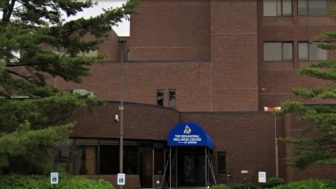
801 W Girard Ave
Philadelphia, PA 19122

1239 Spring Garden Street
Philadelphia, PA 19123
2044 Fairmount Avenue
Philadelphia, PA 19130
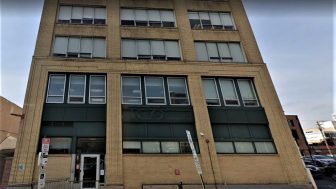
1306 Spring Garden Street
4th Floor
Philadelphia, PA 19123
