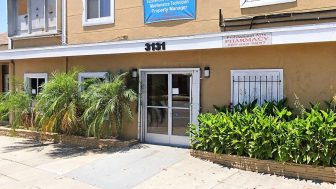
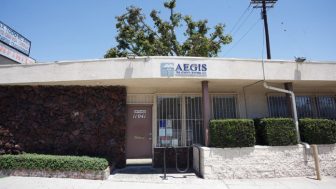
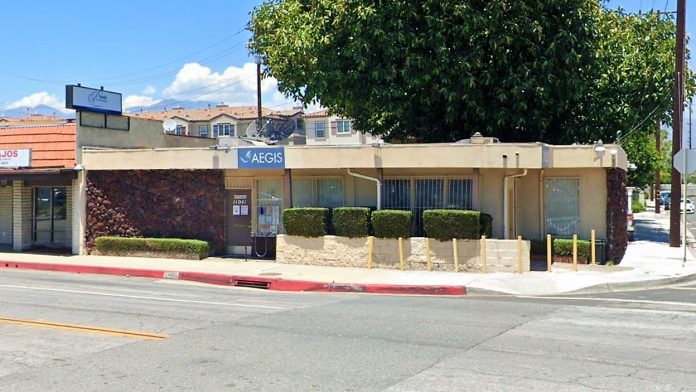
AEGIS Medical Systems El Monte
11041 Valley Boulevard
El Monte, CA 91731
 Sponsored
About AEGIS Medical Systems El Monte
AEGIS Medical Systems has multiple outpatient drug and opioid use disorder (OUD) treatment centers across the US, including the facility in El Monte, California. The El Monte facility is just off I-10 in the San Gabriel Valley and close to public transportation. The programs are CARF accredited and offer medication assisted treatment (MAT) for detoxification.
Clients can receive counseling for co-occurring mental health disorders. The treatment center accepts Medi-Cal and some private insurance plans. They have some cash payment options available. The center treats adults 18 and over.
Addiction Treatment in Historic El Monte
El Monte is known for its proximity to the San Gabriel River, its cultural charm as a majority Hispanic community, and attractions such as the El Monte Historical Museum. Nearby Lambert Park offers beautiful green spaces for exercise, outdoor activities and relaxation between treatment sessions. The facility is also close to the Rio Hondo River trail, which has outdoor walking trails.
Clean and Private Clinic Environment
The clinic is clean and I noticed they have a wheelchair accessible entry. The counseling rooms are private and the staff is multilingual to serve a diverse local population. Treatment plans are personalized and offer flexible scheduling options.
The staff has been praised by clients for being supportive, efficient and nonjudgmental. The clients have noted feeling encouraged in the recovery process and respected as individuals. Many clients have highlighted the staff’s professionalism and compassion.
Utilizing Harm Reduction Methods
I like that the clinicians utilize a multimodality treatment approach, including a focus on harm reduction. They have case managers available to help connect clients with supportive services.
There is regular medical oversight throughout rehab and coordination with outside behavioral health and medical providers as needed and appropriate. Clients engage in counseling to identify contributing factors to drug use to ensure a better long term recovery.
Amenities
In order to maintain a sense of autonomy, many private rehab facilities offer clients the ability to choose their own private rooms. The privacy and personal space ensure that the recovery process is as comfortable as possible.
Addiction treatment in the metro area benefits clients by offering seamless connections from the city, around the state, and those seeking out-of-state treatment. Another benefit of attending a metro area drug rehab is that you’re close to major airports and ground transportation services.
Business centers are a preferred amenity in many mental health and addiction recovery facilities and typically feature secure, high-speed internet, computer stations, printers, and related business technologies. Business centers are designed to enable professionals and students to continue to participate in work or school activities without leaving the treatment facility.
Addiction Treatment Programs
An adult program in California uses various therapeutic methods to treat a person who is dependent on an addictive substance. Individuals aged 18 and older are eligible for treatment, which focuses on breaking the cycle of addiction and learning how to maintain sober living.
Alcohol rehab in California provides professional treatment to guide participants through each step of recovery. Programs offer a support system to walk you through challenges and celebrate victories with you, from detox to long-term sobriety.
When a person is struggling with addiction, their actions and emotions may not be rational. Cognitive behavioral therapy in California helps individuals understand better why they feel and act certain ways and how those emotions and actions can lead to substance abuse.
Drug rehab in California teaches participants constructive ways to stay clean and sober. Treatment revolves around helping individuals stop using the substance they are addicted to and learn healthy habits to avoid relapse.
Gender-specific addiction treatment programs may be more effective in treating men because they focus on unique needs of males. Men’s rehab in California is designed to help men process emotions and cope with stress in a judgment-free environment.
For those who are struggling with opioid use disorder, help is available at opioid rehab in California. This complex addiction can be treated through a combination of evidence-based therapies and medication assisted treatment.
Therapists often use rational emotive behavioral therapy in California to treat addiction. The ABC (activating event, beliefs, consequences) framework is used to help participants identify irrational beliefs and reframe their thinking in healthier ways.
Women’s rehab in California provides a safe environment where women can work through addiction challenges surrounded by their gender peers. This often creates an environment that is more conducive to recovery.
Typically, a young adult program in California can guide individuals from detox, through initial treatment, and extends to aftercare. Treatment gives young adults what they need to reset their lives and move to the next stage of life free from addiction.
Levels of Care
When you choose outpatient rehab in California, you will meet with a counselor and attend support group meetings. The focus will be on restructuring attitudes and thoughts to reduce cravings and develop skills to prevent relapse. The length of time in outpatient rehab varies by individual, based on their recovery needs.
When you have a co-occurring disorder, it is essential to treat both your addiction and the mental health disorder. California dual diagnosis treatment provides this type of multidisciplinary approach, for improved recovery outcomes.
When you enter drug rehab in California, detox is the first step towards becoming drug-free. The detox process includes 24/7 monitoring and medical care and may include the use of medications to ease withdrawal symptoms.
Intervention services in California provide the support you need to encourage a loved one to make wise recovery decisions. Professionals will help you work with your loved one to develop an intervention plan and get him or her started on their recovery journey.
Accreditations
Contact Information


 Sponsored