Community Behavioral Health Center Framingham
354 Waverly Street
Framingham, MA 01702
 Sponsored
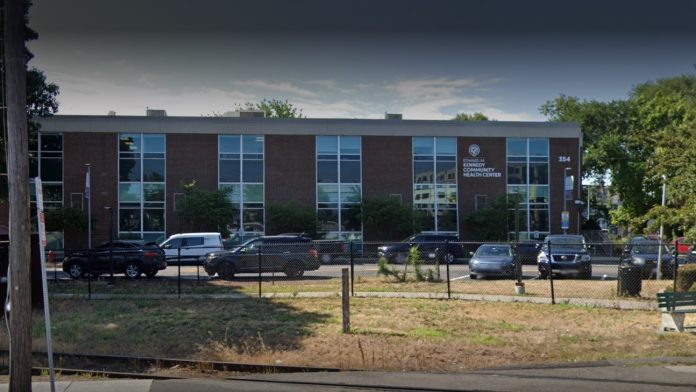
About Community Behavioral Health Center Framingham
The Edward M. Kennedy Community Health Center, a partner of Advocates Community Counseling, is in Framingham, Massachusetts. They provide outpatient behavioral health counseling as well as office based addiction treatment that includes medication assisted treatment (MAT) for opioid and alcohol use disorder.
They accept MassHealth, Medicaid and private insurance. They also have a sliding fee scale based on income and family size.
Outpatient Counseling and MAT in Framingham
Services at the Health Center include individual and family counseling for mental health and substance use treatment. Your primary care doctor at the health center can also provide some treatment services.
One of the things your doctor can help with is the treatment of opioid and alcohol use by MAT. They can prescribe the appropriate medication, whether it’s Suboxone, Sublocade or Vivitrol. They will also connect you to counseling to help you understand the root of addiction, create healthy coping mechanisms and create a solid foundation for long term sobriety.
Social Services From the Community Health Center
Another thing I noticed is that the health center provides connections to important community resources and social services to help clients maintain stability and independence.
They also have crisis intervention services, domestic violence intervention and casework support. These services and others are a vital part of staying on track in recovery.
Amenities
Private drug rehab provides a comfortable, secure environment that allows you to focus on doing the work to get your life back on track. Benefits include a higher staff-to-client ratio, increased one-on-one time with therapists and healthcare providers, private rooms for clients, and customized forms of therapy.
Addiction Treatment Programs
Each adult program in Massachusetts is designed to help individuals over the age of 18 recover from addiction to drugs or alcohol. The length of the program and its intensity varies, based on the needs of the individual.
Cognitive behavioral therapy in Massachusetts is a hands-on method that engages participants in changing their thought and behavior patterns. Rather than a talk-listen approach, individuals are actively involved in working with their therapist to treat their addiction.
LGBTQ-friendly rehab in Massachusetts offers programs targeted to the unique experiences within this diverse community. Staff specialists understand that an environment promoting acceptance makes it easier for people to open up and focus on healing.
For men who want to stop drinking or using drugs, men’s rehab in Massachusetts offers help and hope. These treatment programs, designed specifically for men, help participants recover and rebuild their lives.
Elderly rehab in Massachusetts addresses both addiction issues and common challenges faced by older adults. By dealing with grief, loss, social isolation, and financial uncertainty, participants are given tools to overcome addiction later in life.
Women who are seeking treatment for substance use disorders can receive various levels of care at women’s rehab in Massachusetts. Programs include detox, partial hospitalization programs (PHP), intensive outpatient programs (IOP), telehealth programs, sober living, outpatient, and aftercare.
Teen and young adult substance abuse can set individuals on a life-long path of destruction. A young adult program in Massachusetts can intervene in young adults’ lives to set them on a better path during this crucial stage of life.
Levels of Care
Massachusetts outpatient rehab does not have a defined timeline. The program is tailored to meet your recovery needs, and may last 90 days or a year or more. During this time, you will attend therapy sessions and support group meetings, for ongoing accountability and development of sober-living skills.
If you meet the diagnostic criteria for two or more conditions, you have a dual diagnosis. Massachusetts dual diagnosis treatment is designed to address both conditions simultaneously, for improved recovery outcomes.
You don’t have to be an expert on interventions to help an addicted loved one. Staff members offer intervention services in Massachusetts, providing support when planning and facilitating an intervention, connecting you with community resources, and helping with the development of your loved one's treatment plan.
Contact Information


 Sponsored