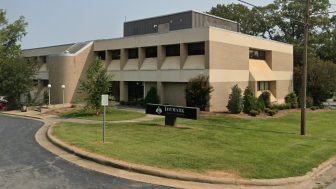
Alcohol and Drug Services (ADS)
842 E Pritchard St
Asheboro, NC 27203
 Sponsored
About Alcohol and Drug Services (ADS)
When battling with an addictive disease, it's important to seek help from a trustworthy center like the non-profit Alcohol and Drug Services or ADS in Asheboro, North Carolina. This non-profit has spent years working toward reducing the impact of substance abuse in the local community.
They are known for treating adults and accepting most major insurance, including TRICARE for veterans. This outpatient treatment center provides a wide range of services including prevention programs, an opioid program with medication assisted treatment, and psychiatric services.
Positive Client Feedback in a Supportive Environment
Most people have a positive experience with ADS, with some feeling that the services have truly helped turn their lives around. The staff are supportive, and the environment where outpatient care is offered is friendly, compassionate, and professional.
However, I noticed that others find the facility itself to be somewhat dilapidated and have not been comfortable with the administrative practices. It's worth considering all the feedback from clients, positive and negative.
Outpatient Treatment In a Caring Group Setting
If you only require minimal assistance with your recovery journey, you might want to consider the basic outpatient counseling program at ADS. This program typically operates for eight weeks, but the timeframe can vary based on your sobriety specific needs. During treatment, you’ll mostly receive group therapy but individual counselling can be arranged if needed.
If you ever feel like the level of treatment you receive isn’t enough, there is no shame in that. In fact, the ADS program can help you step up into an intensive outpatient program if you feel your recovery needs aren’t being met, and I was glad to see that they have this flexibility.
Intensive Outpatient Treatment Following the Proven Matrix Model
Some people need a little more help than others when overcoming drug or alcohol addiction. If you find that a basic outpatient program doesn’t quite meet you where you’re at, you can enroll in the intensive outpatient treatment program.
This 12 week program offers individual and group counseling in a structured setting. It is also special in that you’ll be receiving treatment in the form of the Matrix Model. This widely successful treatment model has been used to help thousands of individuals across the US and is fully endorsed by the Substance Abuse and Mental Health Services Administration.
While the treatment alone is beneficial, ADS does recommend you seek additional community support to reinforce your commitment to ongoing sobriety.
Amenities
Private drug rehab provides a comfortable, secure environment that allows you to focus on doing the work to get your life back on track. Benefits include a higher staff-to-client ratio, increased one-on-one time with therapists and healthcare providers, private rooms for clients, and customized forms of therapy.
Recreational therapy uniquely combines therapeutic interventions with an activity, like horse-riding, hiking, wilderness therapy, basketball, tennis, or a full workout. Benefits of recreational therapy include providing a healthy way to work through the emotions of recovery, learning to build and maintain relationships, improving communication skills, and building self-esteem.
Addiction Treatment Programs
When individuals participate in a young adult program in North Carolina, they feel more at ease in a setting that is age-appropriate. Activities, therapies, and aesthetics are all tailored for this age group, so participants can feel comfortable and are more likely to complete the program.
An adult program in North Carolina typically combines individual and group counseling, medical treatment, and various other therapies to treat substance use disorders. Treatment can take place in an inpatient or outpatient setting.
Alcohol rehab in North Carolina is a course of treatments that helps participants overcome alcohol dependency. Treatments address physical, mental, and emotional aspects of substance use disorder and help the individual develop healthy habits for long-term recovery.
Men’s rehab in North Carolina offers customized treatment for men. These programs provide personalized treatment that is designed with the unique needs of men in mind.
Women’s rehab in North Carolina allows women to receive gender-specific treatment tailored to their needs. Programs are available for alcohol, heroin, prescription drugs, benzos, and any other addictive substances, as well as co-occurring disorders.
To overcome opioid addiction, attend opioid rehab in North Carolina. Treatment takes place in inpatient or outpatient care, using a variety of therapies, medications, and other helpful interventions. Length of treatment caries, typically lasting 30, 60, or 90 days.
Many therapists use cognitive behavioral therapy in North Carolina to treat substance use disorders. This goal-oriented method addresses maladaptive thinking and related beliefs that affect behaviors and can lead to addiction.
There are many types of drug rehab in North Carolina. To receive treatment for addiction, you can choose from many inpatient and outpatient programs. Often, participants start with detox and work through a full continuum of care that continues with ongoing support for long-term recovery.
Fitness therapy is an evidence-based complementary approach to addiction recovery and mental health care. Based on mounting scientific evidence of the benefits of physical activity in improving mood, enhancing clients’ sense of wellbeing, and decreasing depression and anxiety, fitness therapy encompasses a wide spectrum of intensities, from gentle yoga, qigong, and tai chi to weight training, kickboxing, and other highly physical activities.
Levels of Care
Outpatient rehab in North Carolina is often the next step for those who complete an inpatient program. This less restrictive treatment involves several hours of therapy per week, and accountability through 12-step meetings such as AA. You’ll continue this treatment as long as needed, which could be weeks, months, or years.
Aftercare rehab in North Carolina is a crucial part of relapse prevention. It gives you access to resources that will help you manage stress and overcome life hurdles. Typical services include career coaching, financial guidance, and ongoing counseling and emotional support. These may continue for a few months or more than a year after initial rehab.
Some of the most common co-occurring mental health disorders include anxiety, depression, and eating disorders. When these are present alongside substance use disorder, dual diagnosis treatment in North Carolina is necessary to address both conditions.
Accreditations
Contact Information


 Sponsored