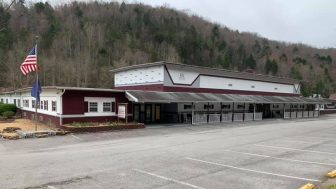
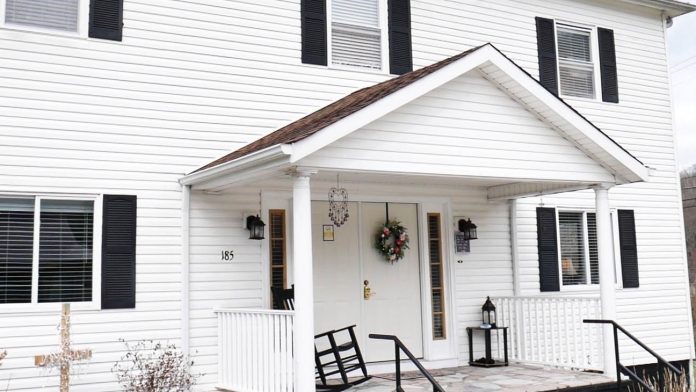
Lydia’s House
185 Maggard Street
Benham, KY 40807
 Sponsored
About Lydia’s House
Lydia’s House is a residential treatment center for women struggling with addiction. They are part of Behavioral Recovery Care, located in Benham, Kentucky. They accept Kentucky Medicaid.
You will have an assessment and evaluation done. This will allow the staff to determine your specific needs to create your treatment plan. If you do have a co-occurring mental health disorder, the staff will be able to provide integrated mental health services.
I like that you’ll have access to care 24/7. They provide group therapy, educational lectures, and wellness activities. If you are interested, although not a requirement, you are able to receive spiritual care services.
They do uphold Casey’s law. In Kentucky, your loved ones are able to petition the court, on your behalf, for treatment. This allows your loved ones to intervene if you are unable to recognize that you need treatment due substance abuse impairment.
Amenities
Private drug rehab provides a comfortable, secure environment that allows you to focus on doing the work to get your life back on track. Benefits include a higher staff-to-client ratio, increased one-on-one time with therapists and healthcare providers, private rooms for clients, and customized forms of therapy.
Residential drug rehab provides the comforts of home with the therapeutic support needed to successfully recover. Benefits of an inpatient program include increased safety, a higher success rate, and the time and distance given to focus on recovery. Residential drug rehabs are often the preferred method of treatment, as they can be tailored to meet specific needs, offer focused therapeutic care, and provide the necessary tools to sustain recovery.
Recreational therapy uniquely combines therapeutic interventions with an activity, like horse-riding, hiking, wilderness therapy, basketball, tennis, or a full workout. Benefits of recreational therapy include providing a healthy way to work through the emotions of recovery, learning to build and maintain relationships, improving communication skills, and building self-esteem.
Art and music are mediums that connect with our feelings, making them a great recovery tool during addiction treatment. Studies show that combining art/music and drug rehab can have a greater therapeutic impact than drug rehab alone, as you’re able to access parts of your brain and body that you may not have access to during traditional talk therapy. Benefits of art/music therapy include lowering stress and anxiety, promoting healthy neurochemicals, and providing stress relief.
Transportation services are designed to ensure your addiction treatment begins and ends successfully by offering free transportation to the rehab facility, to and from your appointments during rehab, and back home upon program completion.
Music can be extremely therapeutic, serving as a valuable healing tool and an integrative feature of a holistic treatment plan. A music room offers a large number of outlets, including singing, playing musical instruments, and listening to music.
In order to maintain a sense of autonomy, many private rehab facilities offer clients the ability to choose their own private rooms. The privacy and personal space ensure that the recovery process is as comfortable as possible.
When paired with cognitive-behavioral therapy, exercise can be an effective tool for overcoming addiction. Drug rehabs with a gym offer clients healthy ways to increase energy levels, balance the body’s stress hormone levels, and aid in the brain’s healing process.
Wilderness rehab programs offer all the benefits of a traditional drug rehab, but with the added benefits of outdoor adventure. Venture out into the forest to learn new skills, explore the beauty of nature, and relieve stress. Engaging in wilderness activities is a great way to gain self-discovery and release negative emotions.
When used as part of an evidence-based treatment plan, basketball can boost physical and mental health, lead to sharper thinking, and facilitate improved self-esteem. Drug rehabs with a basketball court also place a focus on teamwork and cooperation.
Addiction Treatment Programs
Adolescents and young adults who are struggling with addiction can get help at a young adult program in Kentucky. These programs offer specialized drug abuse treatment for individuals in their teens and 20s.
Recovery from addiction happens at an adult program in Kentucky. These treatment services provide the support needed to help men and women break the cycle of addiction and live a life free from substance dependence.
Alcohol rehab in Kentucky helps participants develop motivation to change, learn new coping skills, and achieve long-term sobriety. Treatment methods typically include individual and group therapy and 12-step support.
Women’s rehab in Kentucky provides the opportunity for women to get support from their female peers. These connections can help women overcome challenges and achieve long-term recovery.
Opioid rehab in Kentucky teaches individuals strategies to overcome addiction. Through the use of multiple treatment modalities, such as behavioral, experiential, and medication addicted treatment, these programs help men and women achieve long-term sobriety.
Cognitive behavioral therapy in Kentucky is an effective treatment method for addiction. Individuals can practice techniques that are learned in therapy on their own, so they have the tools they need to avoid relapse and maintain sobriety.
Drug rehab in Kentucky often starts with detox, then includes inpatient or outpatient treatment, and continues with aftercare support. Specific methods used during each of these phases varies, but often include individual and group counseling, medication, and recreational therapies.
Elderly rehab in Kentucky provides evidence-based care to treat addiction in seniors. Programs address the challenges of aging that often contribute to substance abuse among the elderly.
Women’s rehab in Kentucky provides the opportunity for women to get support from their female peers. These connections can help women overcome challenges and achieve long-term recovery.
Veteran’s rehab in Kentucky focuses on helping Veterans make lifestyle changes and positive decisions to overcome addiction. Treatment often includes cognitive behavioral therapy, eye movement desensitization and reprocessing (EMDR), pain management, and group therapy.
Rational emotive behavioral therapy in Kentucky helps you replace unhealthy thoughts and beliefs with healthy coping skills. It focuses on the present and empowers you to reduce self-sabotaging behaviors.
Fitness therapy is an evidence-based complementary approach to addiction recovery and mental health care. Based on mounting scientific evidence of the benefits of physical activity in improving mood, enhancing clients’ sense of wellbeing, and decreasing depression and anxiety, fitness therapy encompasses a wide spectrum of intensities, from gentle yoga, qigong, and tai chi to weight training, kickboxing, and other highly physical activities.
Assertive Community Treatment (ACT) is an integrative, community-based care strategy designed to address the needs of persons with severe and/or complex mental illness or behavioral disorders. ACT is typically provided by a multidisciplinary team of medical and mental health care providers, social workers, therapists, and other specialists, including addiction recovery professionals. These services are frequently provided in the home and community to clients in crisis, those who are clinically unstable, and those who are unable or unwilling to travel to a hospital or clinic for in-person treatment.
Sound & Music Therapy are complementary treatment modalities frequently used in addiction recovery to support clients’ physical, mental, and emotional wellbeing through the use of auditory stimuli, from nature sounds and Tibetan singing bowls to drum circles and rhythmic melodies. The treatment is believed to reduce symptoms of anxiety and depression and may offer relief for those experiencing chronic pain, which can decrease clients’ risk of addiction relapse.
Levels of Care
Kentucky outpatient rehab experts will assess your needs and create a treatment program tailored to your recovery. Treatment typically includes several hours of counseling each week as well as group therapy. You’ll probably also attend a support group such as NA or AA. Length of treatment varies based on your needs.
Ongoing recovery requires ongoing treatment in the form of Kentucky aftercare rehab Once you complete an initial treatment program, aftercare provides long-term support to keep you on the recovery path. 12-step groups, occasional counseling, and personal life coaching may continue for several months or a year.
Inpatient rehab, also known as residential rehab, means living at the drug rehab in Kentucky while receiving 24/7 supervised medical care. Treatments typically include individual and group therapy, as well as medication and various forms of psychotherapy.
The process of cleansing your body of addictive substances is called detox. This is usually the first step of drug rehab in Kentucky. You’ll receive round-the-clock care during this time, including medication to alleviate withdrawal symptoms.
Residents of Kentucky sober living homes receive peer support as they work toward independent living. This communal situation typically includes involvement in a 12-step program, participation in household responsibilities, and strict house rules. An average stay is five to eight months, but you can decide when you’re ready to move out on your own.
The goal of intervention services in Kentucky is to motivate your loved one to begin their journey toward recovery. These services can help you plan and facilitate an intervention, develop a treatment plan, and choose the best type of program for your loved one.
Accreditations
Accepted Insurance





Contact Information


 Sponsored