Acqua Recovery & Addiction Treatment Center
100 N Johnson Mill Rd
Midway, UT 84049
 Sponsored
About Acqua Recovery & Addiction Treatment Center
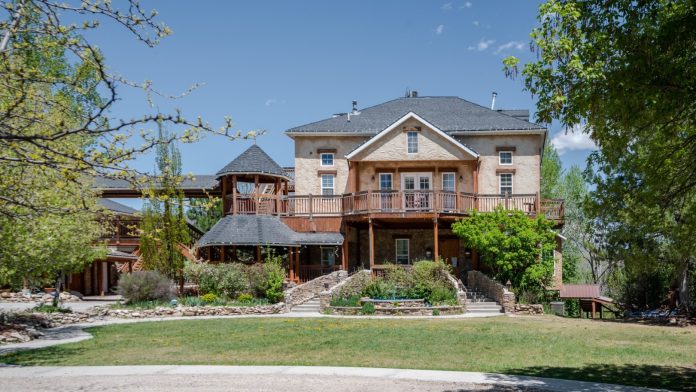
Acqua Recovery offers substance abuse and co-occurring mental health treatment in Midway, Utah. They have residential and outpatient services to provide a complete continuum of care.
Medication-assisted treatment (MAT) is available to lessen harsh withdrawal symptoms and reduce drug cravings. This service can be crucial for making guests more comfortable, using FDA-approved medicines to manage symptoms. Their unique program integrates this service with holistic methods that address the whole person.
Their residential program allows more security and structure where guests can focus on getting well without the worry of outside distractions. Outpatient treatment is more flexible and can work well for those who want to live at home and continue working or attending school.
Guests attend individual counseling, providing one-on-one time with an experienced professional who understands addiction care. You may discover the root causes of your addiction, work on developing healthier coping methods, recognize substance use triggers and learn relapse prevention techniques.
Group therapy includes an open space with others in recovery who can understand your addiction challenges. This service is a vital part of their program because it offers a supportive community, and the other members can provide insightful feedback regarding substance use and recovery.
Holistic therapy services address the mental, physical and spiritual aspects of healing. These methods may include options like cold water therapy, mindfulness or breathwork which can promote relaxation, self-expression and healing. These techniques are also helpful for addressing mental health issues related to addiction.
They accept many health insurance plans including Humana, HealthUtah and Cigna. They do accept Medicaid at this time.
Amenities
Private drug rehab provides a comfortable, secure environment that allows you to focus on doing the work to get your life back on track. Benefits include a higher staff-to-client ratio, increased one-on-one time with therapists and healthcare providers, private rooms for clients, and customized forms of therapy.
Residential drug rehab provides the comforts of home with the therapeutic support needed to successfully recover. Benefits of an inpatient program include increased safety, a higher success rate, and the time and distance given to focus on recovery. Residential drug rehabs are often the preferred method of treatment, as they can be tailored to meet specific needs, offer focused therapeutic care, and provide the necessary tools to sustain recovery.
Recreational therapy uniquely combines therapeutic interventions with an activity, like horse-riding, hiking, wilderness therapy, basketball, tennis, or a full workout. Benefits of recreational therapy include providing a healthy way to work through the emotions of recovery, learning to build and maintain relationships, improving communication skills, and building self-esteem.
Yoga and meditation are great activities to support your recovery process during alcohol or drug rehab. These therapies have been around for centuries, and they are an effective way to improve well-being. Combining addiction treatment, yoga, and meditation can reduce cravings, improve sleep, relieve anxiety and depression, provide stress relief, promote relaxation, support emotional healing, and improve energy levels.
Art and music are mediums that connect with our feelings, making them a great recovery tool during addiction treatment. Studies show that combining art/music and drug rehab can have a greater therapeutic impact than drug rehab alone, as you’re able to access parts of your brain and body that you may not have access to during traditional talk therapy. Benefits of art/music therapy include lowering stress and anxiety, promoting healthy neurochemicals, and providing stress relief.
Treatment centers with a yoga studio offer a special form of holistic therapy during the recovery process. Yoga boosts mindfulness, a sense of calm, and healthy reflection during drug rehab via breathing exercises, stretching, and a progression of specific postures.
Music can be extremely therapeutic, serving as a valuable healing tool and an integrative feature of a holistic treatment plan. A music room offers a large number of outlets, including singing, playing musical instruments, and listening to music.
Hiking is a great way to relieve stress, get perspective, navigate challenges, connect with nature, and improve your health - all essential components of sustaining long-term recovery. Studies also show that the body releases endorphins during physical activities like hiking. These endorphins improve mood and act as a natural pain reliever.
In order to maintain a sense of autonomy, many private rehab facilities offer clients the ability to choose their own private rooms. The privacy and personal space ensure that the recovery process is as comfortable as possible.
Luxury rehab is a form of treatment offered in a residential, resort-style setting. You’ll receive personalized treatment from staff and clinicians, have access to forms of treatment that go beyond what a typical inpatient rehab offers, and offer specific amenities like ocean views, large single occupancy bedrooms with private baths, and complementary spa treatments like massage, acupuncture, or reiki. Most luxury rehab centers have a limited number of beds.
The massage room offers a wealth of benefits as part of an overall evidence-based drug and alcohol recovery program. Massage therapy boosts blood flow and flushes lactic acid from the muscles, and the vascular benefits last several days after the massage.
Wilderness rehab programs offer all the benefits of a traditional drug rehab, but with the added benefits of outdoor adventure. Venture out into the forest to learn new skills, explore the beauty of nature, and relieve stress. Engaging in wilderness activities is a great way to gain self-discovery and release negative emotions.
Rehabs that offer mountain views provide beautiful spaces for clients to explore, de-stress, and take part in outdoor or wilderness therapy programs. The mountain surroundings can be a great help to the recovery process, as sobriety may be better achieved while surrounded by a serene setting in nature.
Drug and alcohol rehabs with a river view can help to decrease anxiety, relieve depression, and improve concentration. Being in nature can even provide health benefits for some people, including lowering blood pressure.
Resort Setting is a term used to describe many luxury addiction recovery centers due to the premium features available to clients. Amenities in resort-style treatment centers may include secluded beach, mountain, or desert locales, chef-prepared meals, and onsite spas and saunas, as well as swimming, fitness, and recreation facilities. A variety of premium services are often also available at resort-style treatment centers, such as therapeutic massage.
Addiction Treatment Programs
A young adult program in Utah offers comprehensive treatment to prepare young adults to be successful in life. Treatment addresses challenges unique to this age bracket (teens and twenties), and provides activities and therapies tailored for young adults.
An adult program in Utah offers treatment services for those seeking help with drug or alcohol addiction. Methods vary, but most programs use a combination of counseling, medical treatment, and therapeutic activities to help participants achieve recovery.
For many people, alcohol rehab in Utah is an essential first step on their journey of recovery. These programs provide treatment and support that make it possible to address issues of addiction and make changes that put individuals on the path to sobriety.
When individuals attend men’s rehab in Utah, they receive treatment focused on the experiences of men. For example, this treatment removes the stigma of asking for help or looking weak. This helps men move forward with recovery.
Women’s rehab in Utah focuses on empowering women with self-confidence and support to achieve long-term sobriety. These programs allow gender-related issues to be handled among other women, which is more comfortable for many participants.
During opioid rehab in Utah, you will develop healthy coping skills, gain support for your recovery, and learn how to prevent relapse. This treatment program will allow you to overcome addiction and maintain a healthy, sober lifestyle.
Cognitive behavioral therapy in Utah teaches individuals how to calm their minds and face challenges instead of avoid them. This treatment method empowers people to manage feelings and situations that have led to substance abuse in the past.
Taking the older adult's unique needs into account, elderly rehab in Utah increases recovery success. Physical limitations, chronic medical conditions, and other common age-related concerns are incorporated into these programs to provide relevant, safe, and effective treatment.
Rational emotive behavioral therapy in Utah can be applied to any form of substance abuse treatment. It is often used in dual diagnosis treatment, to address both addiction and associated issues such as anxiety or depression.
EMDR Therapy is a neurobiological treatment modality used to address trauma disorders and related mental and behavioral health challenges. Short for eye movement desensitization and reprocessing, EMDR is designed to help clients cope with distressing memories and emotions, including fear, sadness, and anger. EMDR may help clients in addiction recovery manage the psychological and emotional triggers that contribute to substance misuse and/or addiction relapse.
Assertive Community Treatment (ACT) is an integrative, community-based care strategy designed to address the needs of persons with severe and/or complex mental illness or behavioral disorders. ACT is typically provided by a multidisciplinary team of medical and mental health care providers, social workers, therapists, and other specialists, including addiction recovery professionals. These services are frequently provided in the home and community to clients in crisis, those who are clinically unstable, and those who are unable or unwilling to travel to a hospital or clinic for in-person treatment.
Levels of Care
Utah outpatient rehab allows you to remain at home during treatment. You’ll visit a counselor’s office or treatment center a couple of times per week for sessions. You’ll also attend 12-step group meetings. This support will provide accountability and help you continue to develop strategies to prevent relapse.
If you meet the criteria for both substance abuse disorder and a mental health disorder, this is called dual diagnosis. For the best recovery outcomes, you need dual diagnosis treatment in Utah. This type of treatment involves specialists in both fields, to address all your recovery needs.
For successful long-term recovery, consider staying actively engaged in Utah aftercare rehab for at least a year. During this initial time after treatment, you’ll face many challenges and temptations. Aftercare gives you the resources and support you need to maintain sobriety.
Depending on the program, inpatient rehab in Utah can last from four to 12 weeks. It involves living at the facility under 24/7 supervision. Typical treatment methods include individual, group, and recreational therapy as well as medication.
When you decide to enter drug rehab in Utah, you’ll commonly start your recovery with detox. You’ll receive round-the-clock care to cleanse your systems of all addictive substances. This may involve medication to alleviate withdrawal.
The average length of stay in a Utah sober living home is five to eight months. However, you can stay as long as you want if you continue to follow the house rules. This structured living environment provides a stable place to strengthen your recovery skills before moving out on your own.
For Utah residents, partial hospitalization programs (PHPs) are best for individuals who need structured addiction treatment programming, but do not require 24-hour supervision. You're able to visit the rehab facility during specified treatment times, then return home at night.
Accreditations
Accepted Insurance





Contact Information


 Sponsored