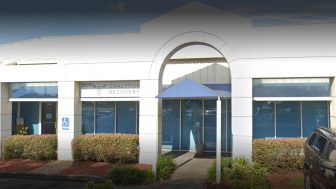
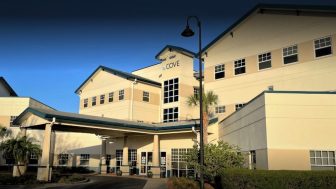
7 Summit Pathways
1910 Orient Road
Tampa, FL 33619
 Sponsored
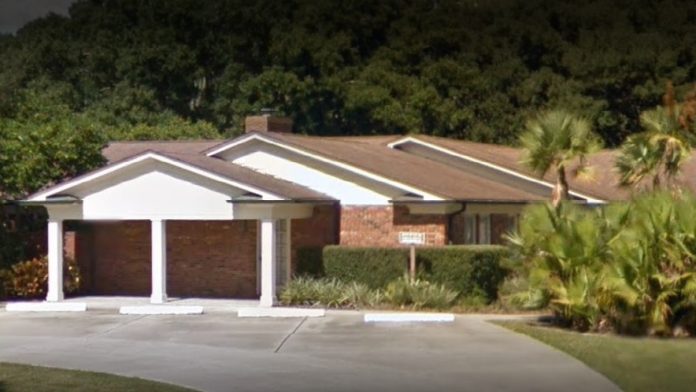
About 7 Summit Pathways
For addiction treatment that covers all the levels of treatment, you can try 7 Summit Pathways in Tampa, Florida. Their treatments cover traditional treatments using medication and counseling, proven treatments such as biofeedback and craniosacral therapy, as well holistic therapies like yoga.
They meet you where you’re at and adjust your treatment plan to suit. If you need detox, they help with medication to ensure a safe, comfortable experience. You have the option to join the residential program or various levels of office-based treatment.
If you’ve found yourself facing addiction and mental health conditions, they provide dual diagnosis treatment. They’ll look at your mental health symptoms, your addiction history and what your personal goals are when working on your treatment plan.
Many people have benefitted from treatment there and learned how to live without drugs. They say they were treated as people, not just alcoholics or addicts. Others say they grew and were loved, heard, and helped.
Amenities
Private drug rehab provides a comfortable, secure environment that allows you to focus on doing the work to get your life back on track. Benefits include a higher staff-to-client ratio, increased one-on-one time with therapists and healthcare providers, private rooms for clients, and customized forms of therapy.
Residential drug rehab provides the comforts of home with the therapeutic support needed to successfully recover. Benefits of an inpatient program include increased safety, a higher success rate, and the time and distance given to focus on recovery. Residential drug rehabs are often the preferred method of treatment, as they can be tailored to meet specific needs, offer focused therapeutic care, and provide the necessary tools to sustain recovery.
Yoga and meditation are great activities to support your recovery process during alcohol or drug rehab. These therapies have been around for centuries, and they are an effective way to improve well-being. Combining addiction treatment, yoga, and meditation can reduce cravings, improve sleep, relieve anxiety and depression, provide stress relief, promote relaxation, support emotional healing, and improve energy levels.
Art and music are mediums that connect with our feelings, making them a great recovery tool during addiction treatment. Studies show that combining art/music and drug rehab can have a greater therapeutic impact than drug rehab alone, as you’re able to access parts of your brain and body that you may not have access to during traditional talk therapy. Benefits of art/music therapy include lowering stress and anxiety, promoting healthy neurochemicals, and providing stress relief.
Treatment centers with a yoga studio offer a special form of holistic therapy during the recovery process. Yoga boosts mindfulness, a sense of calm, and healthy reflection during drug rehab via breathing exercises, stretching, and a progression of specific postures.
Music can be extremely therapeutic, serving as a valuable healing tool and an integrative feature of a holistic treatment plan. A music room offers a large number of outlets, including singing, playing musical instruments, and listening to music.
Hiking is a great way to relieve stress, get perspective, navigate challenges, connect with nature, and improve your health - all essential components of sustaining long-term recovery. Studies also show that the body releases endorphins during physical activities like hiking. These endorphins improve mood and act as a natural pain reliever.
In order to maintain a sense of autonomy, many private rehab facilities offer clients the ability to choose their own private rooms. The privacy and personal space ensure that the recovery process is as comfortable as possible.
Taking time away from a demanding corporate job to attend drug rehab may seem impossible, but executive drug rehab programs combine cutting edge addiction treatment with executive amenities like Wi-Fi, access to computers, and conference calling so you can take care of your health and stay on top of business.
Swimming increases blood flow to the body and brain, boosts white blood cells, and improves muscle strength, lung capacity, and overall stamina. Drug rehabs with a swimming pool offer physical and mental benefits to complement the recovery process.
Addiction Treatment Programs
Young adults often develop addiction for different reasons than older individuals. That’s why a young adult program in Florida focuses on the unique pressures, needs, and challenges faced by young adults.
Treatment at an adult program in Florida addresses the needs of each individual as they work toward recovery. Programs are designed for men and women ages 18 and up, and include a variety of treatment protocols to match the severity of the addiction, type of substance, and personal situation.
Each alcohol rehab in Florida offers unique amenities and approaches, but most follow the same general guidelines. Treatment includes detox, rehabilitation, and maintenance. This is a proven approach to provide the greatest results for long-term recovery.
Gender-specific addiction treatment gives men who are struggling with substance use disorders a connection point to other men with similar struggles. This common ground can make a huge impact on men’s rehab in Florida.
Often, women who have a substance use disorder also have a co-occurring disorder. Women’s rehab in Florida often addresses both the addiction and mental health disorder with dual diagnosis treatment.
Opioid rehab in Florida provides the care you need to help you safely and comfortably navigate a path to recovery. Treatment addresses both emotional and physical aspects of addiction, offering individualized tracks and custom programs.
Cognitive behavioral therapy in Florida helps people in treatment to revisit painful thoughts and memories and learn new ways to cope with them. These newly-learned techniques replace substance use and help the individual maintain sobriety.
Florida residents who are struggling with substance abuse don’t have to face their challenges alone. Drug rehab in Florida provides quality treatment to help individuals overcome addiction and make a full recovery.
Often, women who have a substance use disorder also have a co-occurring disorder. Women’s rehab in Florida often addresses both the addiction and mental health disorder with dual diagnosis treatment.
Therapists use rational emotive behavioral therapy in Florida to help individuals evaluate their irrational beliefs surrounding their substance use behaviors. This therapy helps participants change patterns of thinking and behavior to overcome addiction.
EMDR Therapy is a neurobiological treatment modality used to address trauma disorders and related mental and behavioral health challenges. Short for eye movement desensitization and reprocessing, EMDR is designed to help clients cope with distressing memories and emotions, including fear, sadness, and anger. EMDR may help clients in addiction recovery manage the psychological and emotional triggers that contribute to substance misuse and/or addiction relapse.
Fitness therapy is an evidence-based complementary approach to addiction recovery and mental health care. Based on mounting scientific evidence of the benefits of physical activity in improving mood, enhancing clients’ sense of wellbeing, and decreasing depression and anxiety, fitness therapy encompasses a wide spectrum of intensities, from gentle yoga, qigong, and tai chi to weight training, kickboxing, and other highly physical activities.
Hypnotherapy is an evidence-based complementary approach to addiction treatment in which clients enter an induced state of deep relaxation. Once the client has entered this hypnotic state, the hypnotherapist uses various techniques, including guided imagery and positive affirmations, to help clients “unlearn” negative behaviors, such as substance misuse, and adopt healthy ones. The approach supports clients’ long-term mental, physical, and emotional wellbeing and reduces their risk of relapse by tapping into the power of the subconscious mind.
Levels of Care
Outpatient rehab in Florida focuses on relapse prevention and long-term recovery. It typically includes several counseling sessions per week as well as membership in a support group such as NA or AA. This treatment can last several weeks or several months, based on your ongoing needs.
If you are struggling with both an addiction and a mental health disorder, treatment for dual diagnosis in Florida is necessary for successful recovery. This multidisciplinary approach treats both substance abuse and co-occurring disorders such as bipolar disorder, eating disorders, depression, or anxiety.
During initial rehab treatment, you learn how to get sober. Aftercare rehab in Florida helps you learn how to stay sober. Through ongoing counseling, support groups, and life coaching, you’ll develop skills to maintain sobriety as you live a successful life in recovery. This support may last up to a year or more, to keep you on the right track.
Inpatient drug rehab in Florida allows you to receive round-the-clock supervised care while living at the facility. A combination of treatment interventions is typically offered, including individual and group therapy, nutritional counseling, experiential therapies, and medication management.
While each drug rehab in Florida is unique, most programs begin with detox. This process can last up to seven days. During that time, addictive substances are slowly removed from your system. Medication is often used to alleviate withdrawal symptoms.
Sober living in Florida provides supervised living arrangements that give you structured support during early months of recovery. In this environment, you’ll live with others in recovery, offering mutual support. You’ll adhere to house rules that typically include random drug tests, attendance at 12-step meetings, a curfew, and household chores.
Drug rehabs in Florida offering partial hospitalization programs (PHPs) allow you to live at home while still receiving care at a treatment facility. As a type of outpatient treatment, PHPs typically require an average of five to seven visits a week, ranging from four to eight hours in length.
Accreditations
Accepted Insurance


Contact Information


 Sponsored